How to Pronounce
EdenEE-dn
Hear the pronunciation of Eden
Click to play audio
Recommended Reading
How to Read the Bible for All Its Worth
Gordon Fee & Douglas Stuart
View on Amazon →
Grasping God's Word
J. Scott Duvall & J. Daniel Hays
View on Amazon →
A Praying Life
Paul E. Miller
View on Amazon →
Women of the Word
Jen Wilkin
View on Amazon →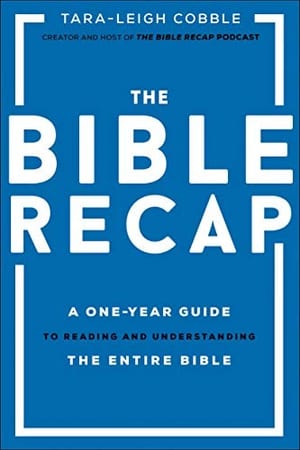
The Bible Recap
Tara-Leigh Cobble
View on Amazon →As an Amazon Associate we earn from qualifying purchases.
Pronunciation Video
Watch on YouTube →Meaning
pleasure; delight
Historical Context
Eden: The Garden of Divine Pleasure
The word Eden carries one of the most resonant meanings in all of Scripture: pleasure or delight. Understanding how to pronounce Eden correctly—EE-dn—is essential for Bible teachers and students exploring the opening chapters of Genesis, where this paradise becomes humanity's first home and greatest loss.
Etymology and Original Language
Eden derives from the Hebrew word ʿēden, which speaks to abundance, luxury, and pleasantness. The root suggests a place of exceptional comfort and satisfaction—a divine garden planted specifically for human flourishing. When you're pronouncing Eden correctly in your teaching or study, you're speaking a name that ancient Hebrew speakers immediately associated with joy and sufficiency.
Biblical Significance and Scripture References
The Garden of Eden appears most prominently in Genesis 2–3, where God creates Adam and places him "in the garden of Eden to tend and keep it" (Genesis 2:15). This isn't merely a backdrop; it's a covenant space where humanity experiences unbroken fellowship with the Creator. The Eden pronunciation matters here because teachers often reference it when discussing humanity's original state before the Fall.
Beyond Genesis, Eden reappears in prophetic literature. The prophet Ezekiel references "the garden of Eden" when describing the king of Tyre's former glory (Ezekiel 28:13), using Eden as the ultimate standard of beauty and perfection. This reinforces why Bible scholars emphasize pronouncing Eden with clarity—it anchors discussions about restoration and God's redemptive plan.
Why This Matters for Bible Readers
For pastors and teachers, understanding Eden pronunciation and its meaning enriches sermon preparation and classroom discussion. The garden represents not punishment-focused law but God's generous design for human life. When students grasp that Eden means "pleasure" and "delight," they recognize that God's original intention was abundant joy, not deprivation.
This theological insight transforms how readers understand the Fall narrative—not as God withholding good things, but as humanity rejecting the ultimate good. The word Eden, properly pronounced and deeply understood, becomes a lens for examining themes of grace, restoration, and the hope of returning to God's intended design for creation.
How to Read, Study & Pray
How to Read the Bible for All Its Worth
Gordon Fee & Douglas Stuart
View on Amazon →Grasping God's Word
J. Scott Duvall & J. Daniel Hays
View on Amazon →A Praying Life
Paul E. Miller
View on Amazon →Women of the Word
Jen Wilkin
View on Amazon →The Bible Recap
Tara-Leigh Cobble
View on Amazon →As an Amazon Associate we earn from qualifying purchases.