How to Pronounce
Ecbatanaehk-BAT-uh-nuh
Hear the pronunciation of Ecbatana
Click to play audio
Recommended Reading

How to Read the Bible for All Its Worth
Gordon Fee & Douglas Stuart
View on Amazon →
Grasping God's Word
J. Scott Duvall & J. Daniel Hays
View on Amazon →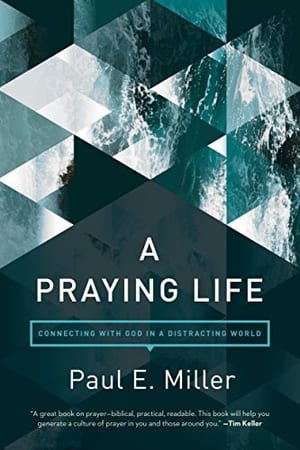
A Praying Life
Paul E. Miller
View on Amazon →
Women of the Word
Jen Wilkin
View on Amazon →
The Bible Recap
Tara-Leigh Cobble
View on Amazon →As an Amazon Associate we earn from qualifying purchases.
Pronunciation Video
Watch on YouTube →Historical Context
Ecbatana: An Ancient Capital in Scripture
Ecbatana appears in the biblical record as one of the great capitals of the ancient Persian Empire, and understanding how to pronounce Ecbatana correctly — ehk-BAT-uh-nuh — helps readers navigate discussions of Persian history and biblical geography. The name itself derives from Old Persian Hangmatana, meaning "place of gathering" or "assembly place," reflecting the city's role as a major administrative center.
Where Ecbatana Appears in the Bible
This significant city is mentioned in the Book of Ezra, specifically in Ezra 6:2, where a decree of King Darius is discovered in the archives at Ecbatana. The reference appears again in the apocryphal Book of Tobit, where it serves as a setting for part of the narrative. For Bible students seeking the proper way of pronouncing Ecbatana correctly, these passages offer context for understanding Persian administrative practices during the post-exilic period.
Biblical and Historical Significance
Ecbatana (modern-day Hamadan in Iran) was the summer capital of the Median and Persian kings, situated on a major trade route. When Ezra references documents found there, it underscores the historical reality of Persian record-keeping and the bureaucratic systems that governed the empire. For Bible readers, Ecbatana pronunciation matters because recognizing this name helps connect biblical narratives to confirmed archaeological and historical evidence.
The discovery of King Darius's decree at Ecbatana validated the Edict of Cyrus allowing the Jewish people to return and rebuild the Temple. This makes Ecbatana more than a mere geographical marker—it's a point where biblical history intersects with verifiable ancient Near Eastern records.
Why This Matters for Your Study
Pronouncing biblical place names correctly enhances classroom discussions, sermon preparation, and personal study. Ecbatana reminds us that the Bible exists within real historical contexts, and many of its locations have been archaeologically confirmed. When you encounter references to Persian governance or post-exilic Jewish history, you'll recognize Ecbatana's importance in that broader narrative.
How to Read, Study & Pray
How to Read the Bible for All Its Worth
Gordon Fee & Douglas Stuart
View on Amazon →Grasping God's Word
J. Scott Duvall & J. Daniel Hays
View on Amazon →A Praying Life
Paul E. Miller
View on Amazon →Women of the Word
Jen Wilkin
View on Amazon →The Bible Recap
Tara-Leigh Cobble
View on Amazon →As an Amazon Associate we earn from qualifying purchases.