How to Pronounce
EsauEE-saw
Hear the pronunciation of Esau
Click to play audio
Old Testament Reading
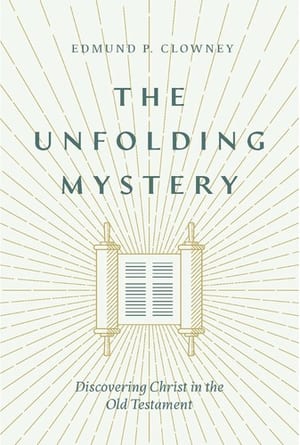
The Unfolding Mystery
Edmund P. Clowney
View on Amazon →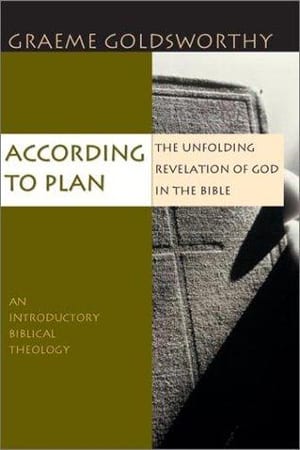
According to Plan
Graeme Goldsworthy
View on Amazon →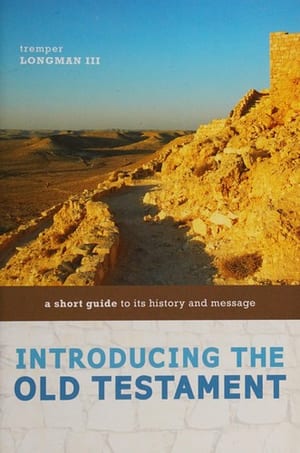
Introducing the Old Testament
Tremper Longman III
View on Amazon →
God's Big Picture
Vaughan Roberts
View on Amazon →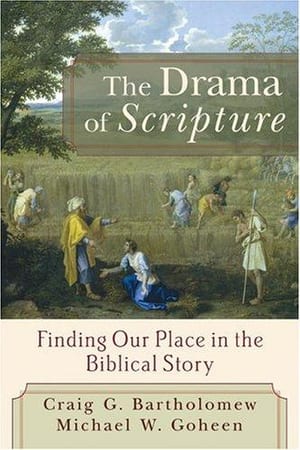
The Drama of Scripture
Bartholomew & Goheen
View on Amazon →As an Amazon Associate we earn from qualifying purchases.
Pronunciation Video
Watch on YouTube →Meaning
he that acts or finishes
Historical Context
Esau: Pronunciation and Biblical Significance
Getting the Esau pronunciation right matters when reading Genesis aloud or teaching Bible stories. The name is pronounced EE-saw—two clear syllables with emphasis on the first. Once you know how to pronounce Esau correctly, you'll recognize him immediately in Scripture and understand his crucial role in Israel's origin story.
Etymology and Meaning
Esau's name carries profound meaning rooted in Hebrew. The name derives from a root meaning "he that acts" or "he that finishes"—a fitting description for a man of action and appetite. Some scholars connect it to the Hebrew word asah (to make or do), emphasizing his active, decisive nature. This etymology illuminates his character long before we read his story.
Who Was Esau in Scripture?
Esau appears primarily in Genesis, beginning at chapter 25 where he and his twin brother Jacob are born to Isaac and Rebekah. The firstborn of the twins, Esau becomes a skilled hunter—a man of the field—while Jacob remains a quiet dweller in tents. Their rivalry, sparked by Jacob's deception regarding the birthright and blessing (Genesis 27), shapes the entire narrative arc of their family and ultimately the nations that descend from them.
The account of Esau selling his birthright for a bowl of lentil stew (Genesis 25:29–34) remains one of Scripture's most memorable moments. Later, when Jacob deceives their father Isaac to steal the blessing meant for Esau, the consequences ripple through generations. Esau's anger and eventual reconciliation with Jacob (Genesis 32–33) demonstrate both human passion and the possibility of forgiveness.
Why Esau Matters Today
Understanding Esau's story helps Bible readers grasp themes of choice, consequence, and redemption. His descendants became the Edomites, a nation that plays a recurring role in biblical history. When pronouncing Esau correctly in study or teaching, you honor the historical figure whose life illustrates how momentary choices can alter destinies. Whether you're reading Genesis devotionally or preparing a sermon, knowing the Esau pronunciation and his significance enriches your engagement with Scripture.
How to Read, Study & Pray

How to Read the Bible for All Its Worth
Gordon Fee & Douglas Stuart
View on Amazon →
Grasping God's Word
J. Scott Duvall & J. Daniel Hays
View on Amazon →
A Praying Life
Paul E. Miller
View on Amazon →
Women of the Word
Jen Wilkin
View on Amazon →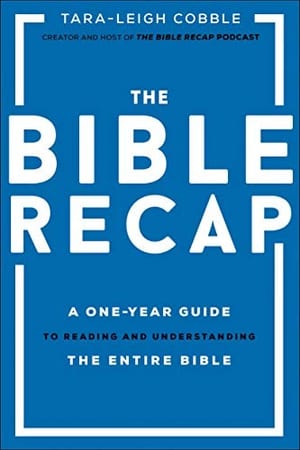
The Bible Recap
Tara-Leigh Cobble
View on Amazon →As an Amazon Associate we earn from qualifying purchases.