
How to Pronounce
EpahEE-puh
Hear the pronunciation of Epah
Click to play audio
Old Testament Reading

The Unfolding Mystery
Edmund P. Clowney
View on Amazon →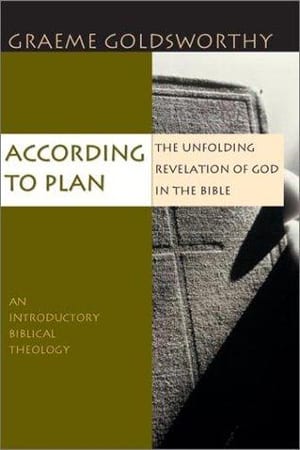
According to Plan
Graeme Goldsworthy
View on Amazon →
Introducing the Old Testament
Tremper Longman III
View on Amazon →
God's Big Picture
Vaughan Roberts
View on Amazon →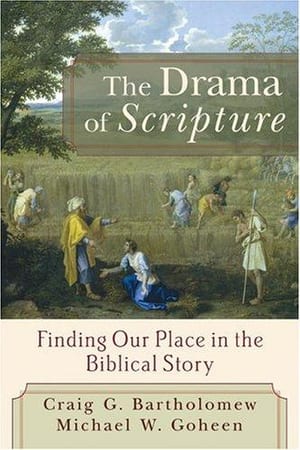
The Drama of Scripture
Bartholomew & Goheen
View on Amazon →As an Amazon Associate we earn from qualifying purchases.
Pronunciation Video
Watch on YouTube →Historical Context
Epah: Ancient Measure of Biblical Grain and Flour
The word Epah (pronounced EE-puh) refers to one of the most practical measurements in biblical times—a dry measure used primarily for grain, flour, and other commodities. Understanding how to pronounce Epah correctly helps readers grasp the scale of offerings, transactions, and daily life in ancient Israel.
Etymology and Original Language
Epah derives from the Hebrew ephah (אֵיפָה), a term that likely originates from Egyptian influence, reflecting the trade networks of the ancient Near East. The word appears frequently in the Hebrew scriptures and represents a standardized container or measurement—roughly equivalent to about 22 liters or 5.8 gallons in modern terms.
Biblical Significance and Usage
Pronouncing Epah correctly becomes important when studying Old Testament narratives about daily life and worship. The measurement appears in contexts ranging from grain storage to priestly offerings. In Ruth 3:15, Boaz gives Ruth six ephahs of barley—a significant quantity that demonstrated his generosity and commitment. Similarly, in 1 Samuel 1:24, Hannah brings an ephah of flour when she presents her son Samuel at the temple.
The ephah also held religious significance. Levitical law specified ephah measurements for grain offerings and other sacrifices, as noted in various passages throughout Leviticus and Numbers. These precise measurements ensured consistency in worship practices and temple operations.
Why This Matters for Bible Readers
Grasping the Epah pronunciation and its meaning enriches your understanding of biblical narratives. When you recognize that an ephah represented a substantial amount of grain, you better appreciate the weight of characters' actions and the economics of ancient Israel. A gift of six ephahs wasn't casual; it represented real wealth and provision.
Modern Bible translations sometimes render ephah as "bushel" or simply "measure," which can obscure the specific quantity intended. Knowing that Epah refers to a precise, standardized measurement helps you read scripture with greater accuracy and cultural awareness, transforming vague references into concrete details that illuminate the biblical world.
How to Read, Study & Pray

How to Read the Bible for All Its Worth
Gordon Fee & Douglas Stuart
View on Amazon →
Grasping God's Word
J. Scott Duvall & J. Daniel Hays
View on Amazon →
A Praying Life
Paul E. Miller
View on Amazon →
Women of the Word
Jen Wilkin
View on Amazon →
The Bible Recap
Tara-Leigh Cobble
View on Amazon →As an Amazon Associate we earn from qualifying purchases.
