How to Pronounce
Elishaee-LAI-shuh
Hear the pronunciation of Elisha
Click to play audio
Old Testament Reading
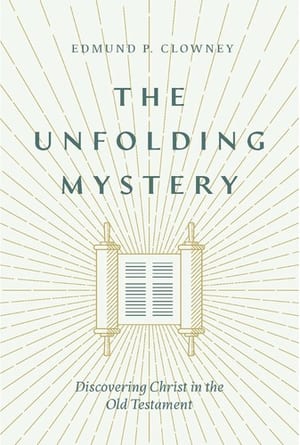
The Unfolding Mystery
Edmund P. Clowney
View on Amazon →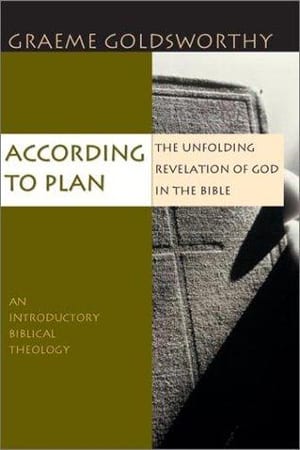
According to Plan
Graeme Goldsworthy
View on Amazon →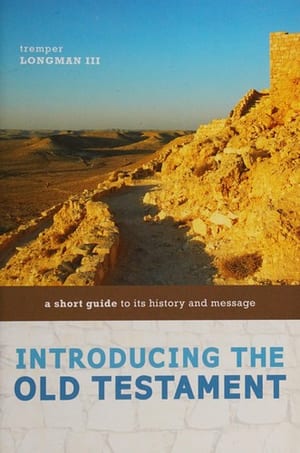
Introducing the Old Testament
Tremper Longman III
View on Amazon →
God's Big Picture
Vaughan Roberts
View on Amazon →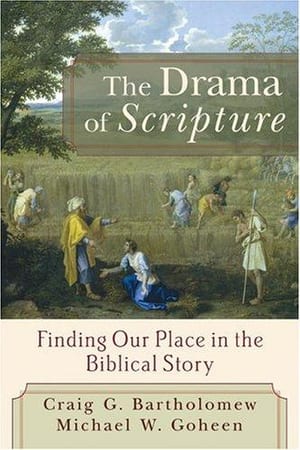
The Drama of Scripture
Bartholomew & Goheen
View on Amazon →As an Amazon Associate we earn from qualifying purchases.
Pronunciation Video
Watch on YouTube →Meaning
salvation of God
Historical Context
Elisha: The Prophet of God's Salvation
The name Elisha carries profound spiritual weight in Scripture. Derived from Hebrew roots, it combines El (God) and yasha (to save or deliver), literally meaning "salvation of God" or "God is salvation." This etymology perfectly captures the ministry of the man who bore this name—a prophet whose life demonstrated God's power to heal, deliver, and restore.
Pronouncing Elisha Correctly
If you're learning how to pronounce Elisha in Bible study or worship settings, the correct pronunciation is ee-LAI-shuh, with the emphasis on the second syllable. Many English speakers naturally stress the first syllable, so pronouncing Elisha correctly takes intentional practice. The three-syllable structure mirrors many Hebrew names translated into English.
The Man and His Ministry
Elisha appears primarily in 1 and 2 Kings, beginning in 1 Kings 19:16-21, where the prophet Elijah anoints him as his successor. Unlike Elijah's dramatic ministry, Elisha's calling emphasizes compassion and accessibility—he healed the sick, fed the hungry, and worked miracles that touched ordinary people's lives.
His most famous acts include cleansing Naaman's leprosy (2 Kings 5), multiplying oil for a widow in debt (2 Kings 4:1-7), and raising a dead child (2 Kings 4:32-37). These narratives showcase how God's salvation operates through human vessels willing to serve.
Why This Name Matters for Bible Readers
Understanding Elisha's name enriches your grasp of his prophetic identity. Every miracle he performed demonstrated the literal truth embedded in his name—that salvation belongs to God alone. His fifty-year ministry spanned the reigns of multiple kings, making him one of Scripture's most influential prophets.
For pastors and teachers, pronouncing Elisha with confidence and explaining its meaning deepens congregational engagement with these powerful Old Testament narratives. The name itself becomes a theological statement: God saves through His chosen instruments.
How to Read, Study & Pray
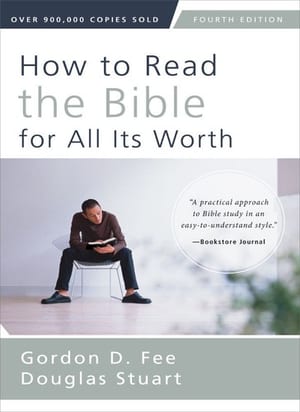
How to Read the Bible for All Its Worth
Gordon Fee & Douglas Stuart
View on Amazon →
Grasping God's Word
J. Scott Duvall & J. Daniel Hays
View on Amazon →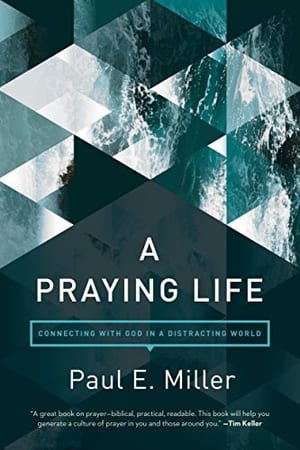
A Praying Life
Paul E. Miller
View on Amazon →
Women of the Word
Jen Wilkin
View on Amazon →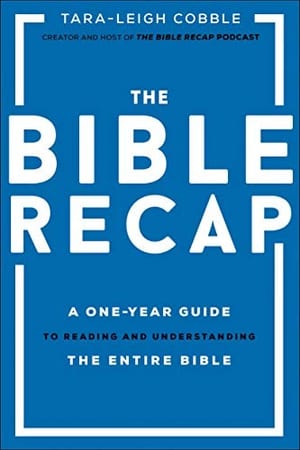
The Bible Recap
Tara-Leigh Cobble
View on Amazon →As an Amazon Associate we earn from qualifying purchases.