How to Pronounce
ElimEE-lihm
Hear the pronunciation of Elim
Click to play audio
Old Testament Reading

The Unfolding Mystery
Edmund P. Clowney
View on Amazon →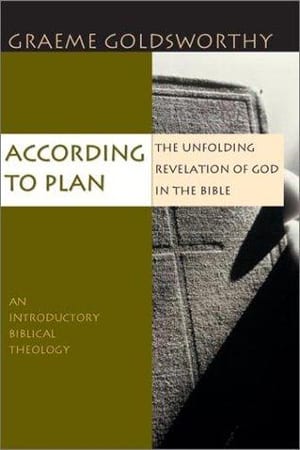
According to Plan
Graeme Goldsworthy
View on Amazon →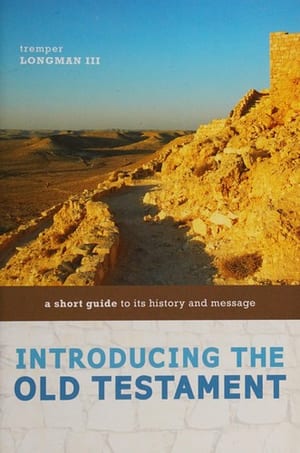
Introducing the Old Testament
Tremper Longman III
View on Amazon →
God's Big Picture
Vaughan Roberts
View on Amazon →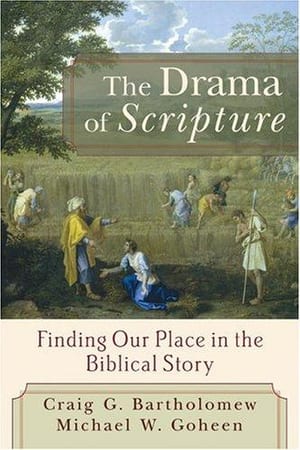
The Drama of Scripture
Bartholomew & Goheen
View on Amazon →As an Amazon Associate we earn from qualifying purchases.
Pronunciation Video
Watch on YouTube →Meaning
the rams; the strong; stags
Historical Context
Elim: A Place of Provision and Rest
The name Elim appears in Scripture as a geographical location rather than a personal name, yet its meaning carries deep spiritual significance. To understand how to pronounce Elim correctly, break it into two syllables: EE-lihm. The name derives from Hebrew origins meaning "the rams" or "the strong ones," though some scholars connect it to the word for stags—animals associated with strength, agility, and vitality.
Location and Biblical Significance
Elim first appears in Exodus 15:27, where it marks a crucial waypoint in Israel's wilderness journey following their miraculous crossing of the Red Sea. After three days of travel through the desert without finding water, the Israelites arrived at Elim, described as an oasis containing twelve springs of water and seventy palm trees—one spring and ten trees for each of the twelve tribes.
The significance of this location cannot be overstated. After experiencing divine deliverance at the Red Sea and then suffering thirst in the wilderness, the people of Israel discovered abundant provision at Elim. This oasis represented not merely physical refreshment but a tangible reminder of God's covenant care and faithfulness.
Why Elim Matters for Bible Readers
When pronouncing Elim correctly in your Bible reading or teaching, you're referencing one of Scripture's most poignant symbols of divine provision. The name itself—meaning strength and vitality—contrasts beautifully with the preceding hardship. The twelve springs and seventy palms demonstrate God's precise provision for His people's needs.
Elim also appears in Numbers 33:9 as part of Israel's recorded itinerary through the wilderness. Its inclusion in this genealogical record emphasizes that this wasn't a minor detail but a significant stopping point worthy of remembrance.
For pastors and Bible teachers, Elim pronunciation matters because it allows you to speak about this location with confidence and accuracy. More importantly, Elim represents a theological truth: God provides rest and refreshment to His people in their wilderness seasons. The oasis wasn't accidental—it was divinely prepared, waiting for Israel at precisely the right moment.
How to Read, Study & Pray

How to Read the Bible for All Its Worth
Gordon Fee & Douglas Stuart
View on Amazon →
Grasping God's Word
J. Scott Duvall & J. Daniel Hays
View on Amazon →
A Praying Life
Paul E. Miller
View on Amazon →
Women of the Word
Jen Wilkin
View on Amazon →
The Bible Recap
Tara-Leigh Cobble
View on Amazon →As an Amazon Associate we earn from qualifying purchases.