How to Pronounce
Eliakimee-LAI-uh-kihm
Hear the pronunciation of Eliakim
Click to play audio
New Testament Reading

Introducing Jesus
Mark L. Strauss
View on Amazon →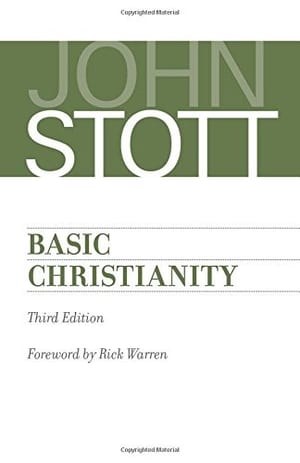
Basic Christianity
John Stott
View on Amazon →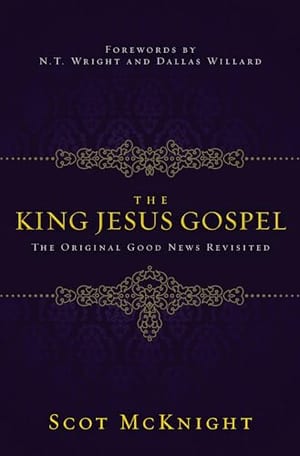
The King Jesus Gospel
Scot McKnight
View on Amazon →
Reading the Gospels Wisely
Jonathan T. Pennington
View on Amazon →
The Jesus I Never Knew
Philip Yancey
View on Amazon →As an Amazon Associate we earn from qualifying purchases.
Pronunciation Video
Watch on YouTube →Meaning
resurrection of God
Historical Context
Eliakim: God's Resurrection and Royal Authority
The name Eliakim comes from Hebrew roots that combine El (God) with yakim (to raise up or establish), literally meaning "God will raise up" or "resurrection of God." Understanding how to pronounce Eliakim correctly—ee-LAI-uh-kihm—helps Bible readers engage more deeply with the historical and spiritual weight this name carried in ancient Israel.
Who Was Eliakim in Scripture?
The most prominent Eliakim appears during the reign of King Hezekiah, serving as his palace administrator. In 2 Kings 18:18 and 2 Kings 19, we find Eliakim as a key diplomat during the Assyrian siege of Jerusalem. He's also mentioned in Isaiah 22:20–25, where the prophet declares that God will place authority on Eliakim's shoulders—a symbolic transfer of royal power and responsibility.
Another significant Eliakim appears in the genealogy of Jesus found in Matthew 1:13, linking him directly to the Davidic line and emphasizing continuity in God's redemptive plan.
Why Pronouncing Eliakim Correctly Matters
Proper pronunciation of biblical names isn't merely linguistic—it reflects respect for the text and aids memorization. When pastors and teachers pronounce Eliakim correctly in teaching contexts, it reinforces the historical reality of these biblical figures and validates the names as genuine historical records rather than abstract symbols.
The Theological Significance
The meaning embedded in Eliakim's name—"resurrection of God" or divine raising up—connects to broader biblical themes of restoration and God's sovereign appointment of leaders. Eliakim pronunciation guides often overlook this deeper meaning: his name itself proclaimed a theological truth about God's power to establish and elevate His chosen servants.
For Bible students and ministers, understanding both the pronunciation and meaning of Eliakim enriches sermon preparation and personal study. It reminds us that biblical names carried theological weight and that even administrative officials in ancient Israel bore names declaring God's character and purposes.
How to Read, Study & Pray

How to Read the Bible for All Its Worth
Gordon Fee & Douglas Stuart
View on Amazon →
Grasping God's Word
J. Scott Duvall & J. Daniel Hays
View on Amazon →
A Praying Life
Paul E. Miller
View on Amazon →
Women of the Word
Jen Wilkin
View on Amazon →
The Bible Recap
Tara-Leigh Cobble
View on Amazon →As an Amazon Associate we earn from qualifying purchases.