How to Pronounce
Eliabee-LAI-ab
Hear the pronunciation of Eliab
Click to play audio
Old Testament Reading

The Unfolding Mystery
Edmund P. Clowney
View on Amazon →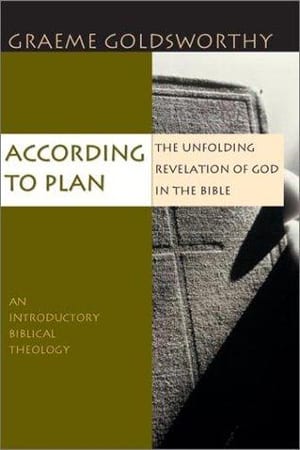
According to Plan
Graeme Goldsworthy
View on Amazon →
Introducing the Old Testament
Tremper Longman III
View on Amazon →
God's Big Picture
Vaughan Roberts
View on Amazon →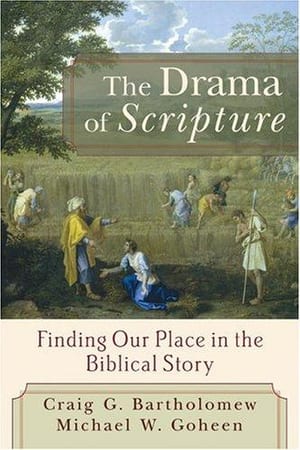
The Drama of Scripture
Bartholomew & Goheen
View on Amazon →As an Amazon Associate we earn from qualifying purchases.
Pronunciation Video
Watch on YouTube →Meaning
God is my father; God is the father
Historical Context
Eliab: God Is My Father
Eliab (pronounced ee-LAI-ab) comes from Hebrew roots that combine two theological concepts: El (God) and ab (father). The name literally means "God is my father" or "God is the father," expressing a personal relationship between the bearer and the divine. Understanding how to pronounce Eliab correctly—with emphasis on the first syllable followed by a long "I" sound—helps Bible readers engage more meaningfully with the text when encountering this name.
Eliab in Scripture
The most prominent figure named Eliab appears in 1 Samuel as the eldest son of Jesse and the older brother of King David. When the prophet Samuel came to Jesse's house seeking the next king of Israel (1 Samuel 16), Eliab was the first candidate. Samuel initially assumed Eliab must be the Lord's anointed, impressed by his appearance and stature. However, God corrected Samuel: "The Lord does not look at the things people look at. People look at the outward appearance, but the Lord looks at the heart" (1 Samuel 16:7). David, the youngest son tending sheep, was chosen instead.
Eliab reappears later as one of David's brothers present during David's encounter with Goliath (1 Samuel 17). His presence in these pivotal moments makes Eliab an important supporting character in Israel's transition to monarchy.
Why Pronouncing Eliab Correctly Matters
For pastors and teachers, pronouncing Eliab correctly demonstrates respect for biblical names and their Hebrew heritage. Eliab pronunciation becomes especially relevant when preaching or teaching through 1 Samuel, where his story illustrates divine wisdom choosing character over appearance. Bible students who understand the meaning behind Eliab—that his very name declares "God is my father"—gain deeper insight into the spiritual themes of Jesse's household and God's sovereign selection of David.
The name Eliab reminds readers that even when someone appears overlooked or overshadowed (as Eliab was by his younger brother), their identity in God remains significant. His story teaches timeless lessons about God's perspective on worthiness and leadership.
How to Read, Study & Pray
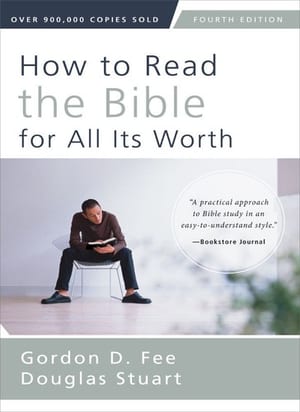
How to Read the Bible for All Its Worth
Gordon Fee & Douglas Stuart
View on Amazon →
Grasping God's Word
J. Scott Duvall & J. Daniel Hays
View on Amazon →
A Praying Life
Paul E. Miller
View on Amazon →
Women of the Word
Jen Wilkin
View on Amazon →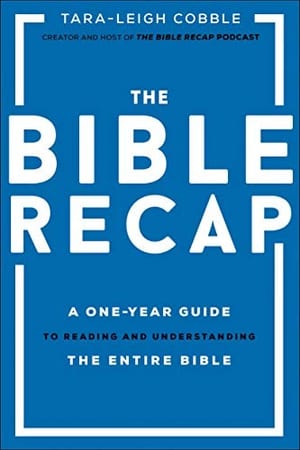
The Bible Recap
Tara-Leigh Cobble
View on Amazon →As an Amazon Associate we earn from qualifying purchases.