
How to Pronounce
Beth-MilloBEHTH-mihl-o
Hear the pronunciation of Beth-Millo
Click to play audio
Old Testament Reading

The Unfolding Mystery
Edmund P. Clowney
View on Amazon →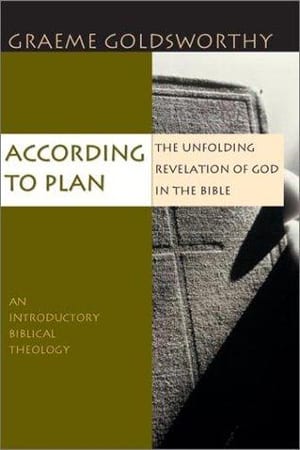
According to Plan
Graeme Goldsworthy
View on Amazon →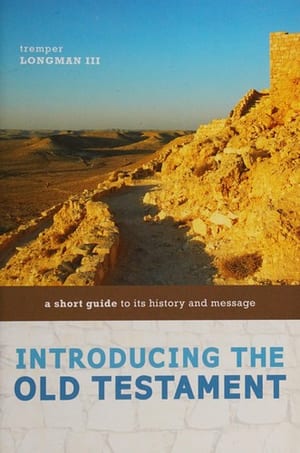
Introducing the Old Testament
Tremper Longman III
View on Amazon →
God's Big Picture
Vaughan Roberts
View on Amazon →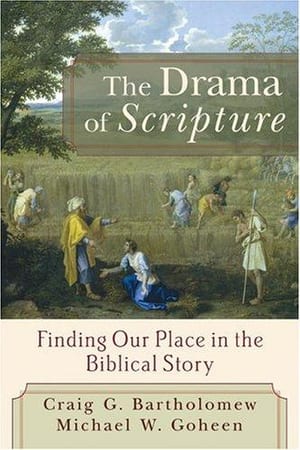
The Drama of Scripture
Bartholomew & Goheen
View on Amazon →As an Amazon Associate we earn from qualifying purchases.
Pronunciation Video
Watch on YouTube →Historical Context
Beth-Millo: A Fortified City Gate in Ancient Israel
Beth-Millo (pronounced BEHTH-mihl-o) appears in Scripture as a significant defensive structure tied to the city of Shechem. The name itself reveals its purpose: "Beth" means "house" in Hebrew, while "Millo" derives from the root malē, meaning "to fill." Together, Beth-Millo literally translates to "House of the Filling" or "House of the Rampart"—referring to a fortified tower or bulwark constructed within Shechem's walls.
Where Beth-Millo Appears in Scripture
Beth-Millo is mentioned in the Book of Judges, specifically in chapters 9 and 20. The most dramatic reference occurs in Judges 9:6, where the people of Shechem gathered "by the oak of the pillar that was in Shechem" to make Abimelech king. Later, in Judges 9:20, Jotham's curse references the destruction that would befall both Abimelech and the men of Shechem at Beth-Millo.
The structure also appears in 2 Samuel 5:9 and 1 Chronicles 11:8, where it's mentioned in connection with Jerusalem's fortifications during King David's reign, suggesting similar defensive architecture was used in multiple Israelite cities.
Understanding Its Strategic Importance
For Bible readers seeking to understand how to pronounce Beth-Millo correctly, it's helpful to recognize that the site represented more than just a building—it was a military stronghold. Archaeological evidence suggests Beth-Millo functioned as a reinforced tower or citadel, likely controlling access to the city and serving as a last refuge during siege.
When pronouncing Beth-Millo properly (BEHTH-mihl-o), you're naming a place central to one of Scripture's most dramatic narratives: the rise and fall of Abimelech. His violent reign, detailed in Judges 9, culminated in the destruction of Shechem and specifically the burning of Beth-Millo's tower, where its inhabitants had taken shelter.
Why This Matters for Bible Study
Recognizing Beth-Millo's role in Scripture deepens our understanding of ancient Israel's urban defense strategies and the political turmoil of the judges period. For pastors and teachers, correctly pronouncing Beth-Millo demonstrates familiarity with the historical landscape where these biblical events unfolded.
How to Read, Study & Pray

How to Read the Bible for All Its Worth
Gordon Fee & Douglas Stuart
View on Amazon →
Grasping God's Word
J. Scott Duvall & J. Daniel Hays
View on Amazon →
A Praying Life
Paul E. Miller
View on Amazon →
Women of the Word
Jen Wilkin
View on Amazon →
The Bible Recap
Tara-Leigh Cobble
View on Amazon →As an Amazon Associate we earn from qualifying purchases.
