How to Pronounce
BellarmineBEHL-er-mihn
Hear the pronunciation of Bellarmine
Click to play audio
New Testament Reading
Introducing Jesus
Mark L. Strauss
View on Amazon →
Basic Christianity
John Stott
View on Amazon →
The King Jesus Gospel
Scot McKnight
View on Amazon →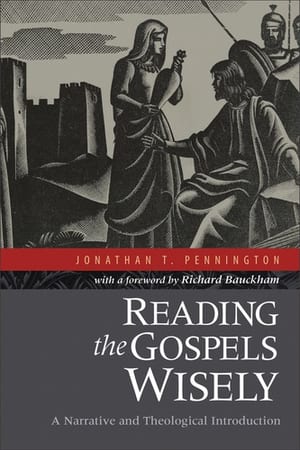
Reading the Gospels Wisely
Jonathan T. Pennington
View on Amazon →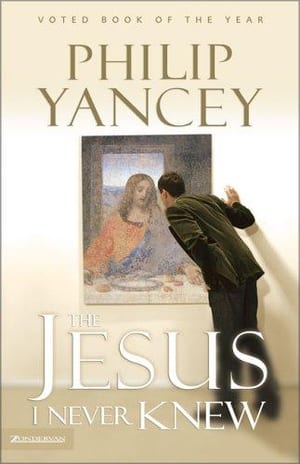
The Jesus I Never Knew
Philip Yancey
View on Amazon →As an Amazon Associate we earn from qualifying purchases.
Pronunciation Video
Watch on YouTube →Historical Context
Bellarmine: Pronunciation and Biblical Context
The name Bellarmine doesn't appear in Scripture itself, but it holds significant weight in Christian history and theology—particularly in Protestant-Catholic debates of the Reformation era. Understanding how to pronounce Bellarmine correctly matters for anyone studying post-biblical Christian thought, as this figure profoundly shaped theological discourse that influences Bible interpretation today.
Pronouncing Bellarmine Correctly
The proper Bellarmine pronunciation is BEHL-er-mihn. The first syllable receives the stress, with a short "e" sound, followed by a schwa sound in the second syllable, and a soft final syllable rhyming with "pin." Many English speakers initially mispronounce it by stressing the second syllable or adding extra vowels—pronouncing Bellarmine correctly requires remembering that stress-on-first pattern.
Who Was Bellarmine?
Robert Bellarmine (1542–1621) was an Italian Jesuit cardinal and theologian whose scholarly work defended Catholic doctrine against Protestant Reformation arguments. Though not a biblical author, his systematic theology and biblical commentaries made him one of the most influential Catholic apologists of his era. His Disputationes de Controversiis Christianae Fidei (Controversies on the Christian Faith) became the definitive Catholic response to Protestant biblical interpretation.
Why Bellarmine Matters for Bible Readers
For Protestant and Catholic Bible students alike, Bellarmine represents a crucial theological turning point. His careful engagement with Scripture—defending papal authority, purgatory, and the role of tradition—established arguments that Catholics still reference. Conversely, Protestant theologians studied and refuted his work extensively, shaping their own hermeneutical approaches.
Bible teachers and students encounter Bellarmine's influence indirectly through the theological frameworks used to interpret disputed passages. His treatment of texts regarding church authority, salvation, and sacraments established interpretive boundaries that persist in modern scholarship.
While Bellarmine never wrote Scripture himself, his legacy reminds us that how we read the Bible has been shaped by centuries of theological conversation. Knowing this name and Bellarmine pronunciation helps you recognize historical theological voices when studying biblical commentary and Christian doctrine.
How to Read, Study & Pray
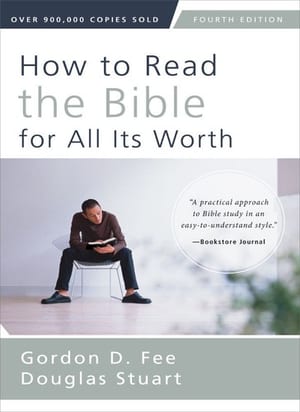
How to Read the Bible for All Its Worth
Gordon Fee & Douglas Stuart
View on Amazon →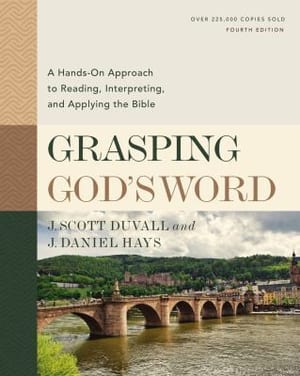
Grasping God's Word
J. Scott Duvall & J. Daniel Hays
View on Amazon →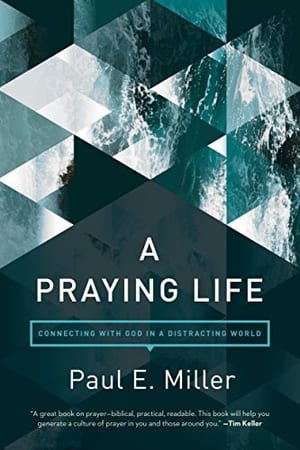
A Praying Life
Paul E. Miller
View on Amazon →
Women of the Word
Jen Wilkin
View on Amazon →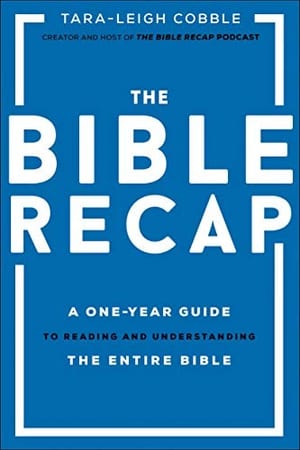
The Bible Recap
Tara-Leigh Cobble
View on Amazon →As an Amazon Associate we earn from qualifying purchases.