How to Pronounce
BaruchBEHR-ook
Hear the pronunciation of Baruch
Click to play audio
Old Testament Reading
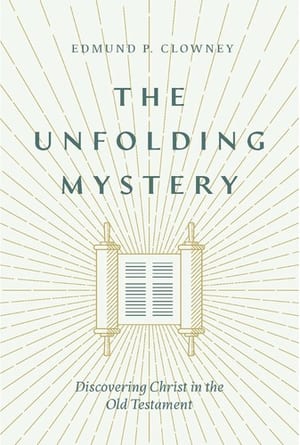
The Unfolding Mystery
Edmund P. Clowney
View on Amazon →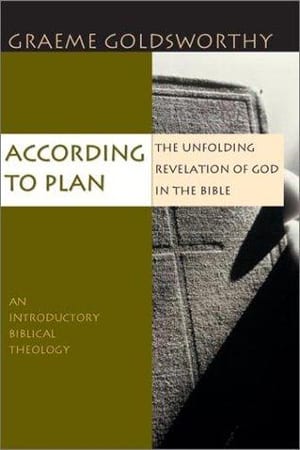
According to Plan
Graeme Goldsworthy
View on Amazon →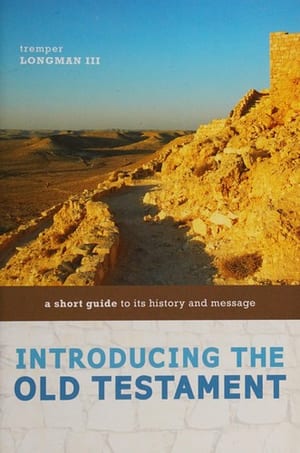
Introducing the Old Testament
Tremper Longman III
View on Amazon →
God's Big Picture
Vaughan Roberts
View on Amazon →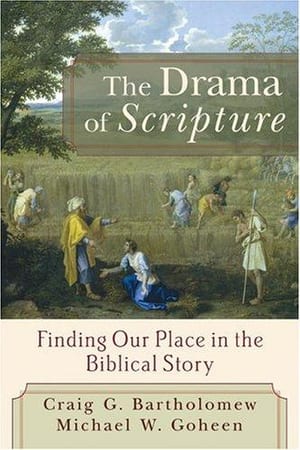
The Drama of Scripture
Bartholomew & Goheen
View on Amazon →As an Amazon Associate we earn from qualifying purchases.
Pronunciation Video
Watch on YouTube →Meaning
who is blessed
Historical Context
Baruch: Jeremiah's Faithful Scribe
Knowing how to pronounce Baruch correctly—BAR-uhk in English, buh-ROOK in Hebrew tradition—introduces one of the most important supporting figures in the prophetic literature: the secretary and literary preserver of the prophet Jeremiah. Without Baruch, the book of Jeremiah might not have survived the Babylonian destruction of Jerusalem.
Etymology and Meaning
Baruch (בָּרוּךְ) is a Hebrew passive participle from the root "barak" (בָּרַךְ), meaning "to bless." The name means "blessed" or "one who is blessed." It was a common name in ancient Israel—multiple men named Baruch appear in Nehemiah, Chronicles, and the prophetic literature. Its Latin/English equivalent "Benedict" carries the same meaning from "benedictus."
Biblical Context
Baruch son of Neriah served as Jeremiah's personal secretary (Hebrew: sopher, "scribe") during the final years of Judah, the Babylonian siege, and the destruction of Jerusalem. Jeremiah 36 provides the most detailed account of their collaboration: when Jeremiah was prohibited from entering the Temple, he dictated his prophecies to Baruch, who wrote them on a scroll and read them publicly in the Temple courts (Jeremiah 36:4–10). When King Jehoiakim burned the scroll column by column, they dictated and wrote it again—with additions (Jeremiah 36:32).
During the Babylonian siege, Jeremiah purchased a field at Anathoth as a symbolic act of hope and entrusted the deed to Baruch for safekeeping "for a long time" (Jeremiah 32:12–14). God addressed Baruch directly in Jeremiah 45, responding to his complaint about suffering: "I will let you have your life as a prize of war in all places to which you may go" (Jeremiah 45:5). Survival was the gift. The deuterocanonical Book of Baruch, accepted as Scripture in Catholic and Orthodox traditions, bears his name.
Pronunciation Guide
Baruch has two standard pronunciations. In English: BAR-uhk—two syllables, first syllable rhymes with "car," second is an unstressed "uhk." In Hebrew and Jewish tradition: buh-ROOK, stress on the second syllable with a long OO vowel—the Hebrew spelling בָּרוּךְ includes a vav representing that long U sound. In English Bible reading, BAR-uhk is the conventional form.
How to Read, Study & Pray

How to Read the Bible for All Its Worth
Gordon Fee & Douglas Stuart
View on Amazon →
Grasping God's Word
J. Scott Duvall & J. Daniel Hays
View on Amazon →
A Praying Life
Paul E. Miller
View on Amazon →
Women of the Word
Jen Wilkin
View on Amazon →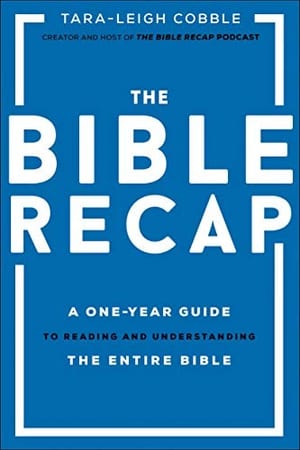
The Bible Recap
Tara-Leigh Cobble
View on Amazon →As an Amazon Associate we earn from qualifying purchases.