How to Pronounce
SheolSHEE-ol
Hear the pronunciation of Sheol
Click to play audio
Old Testament Reading
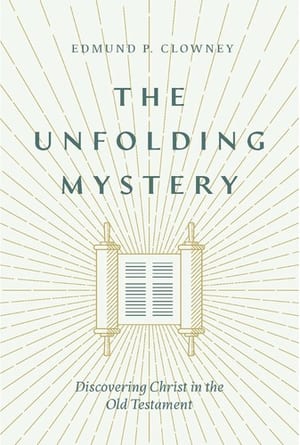
The Unfolding Mystery
Edmund P. Clowney
View on Amazon →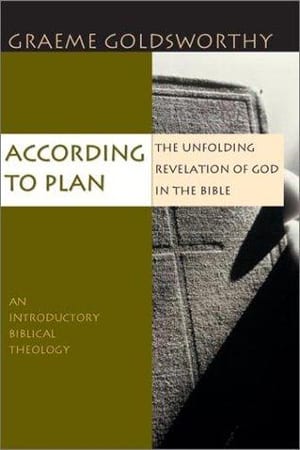
According to Plan
Graeme Goldsworthy
View on Amazon →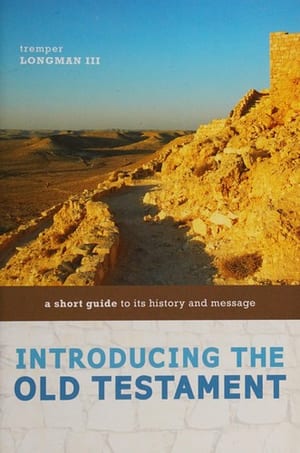
Introducing the Old Testament
Tremper Longman III
View on Amazon →
God's Big Picture
Vaughan Roberts
View on Amazon →
The Drama of Scripture
Bartholomew & Goheen
View on Amazon →As an Amazon Associate we earn from qualifying purchases.
Pronunciation Video
Watch on YouTube →Historical Context
Sheol: The Hebrew Underworld
The word Sheol appears 65 times throughout the Hebrew Bible, yet many readers struggle with how to pronounce Sheol correctly or understand what it actually means. Getting the Sheol pronunciation right—SHEE-ol—is the first step to grasping one of Scripture's most misunderstood concepts.
Etymology and Original Meaning
Sheol comes from the Hebrew שְׁאוֹל and likely derives from a root meaning "to ask" or "to demand." The word describes the abode of the dead—not a place of punishment like the later Christian concept of hell, but rather the shadowy realm where all deceased persons, righteous and unrighteous alike, were believed to reside. It's best understood as the grave or the underworld, a neutral destination rather than a moral one.
Where Sheol Appears in Scripture
Sheol surfaces throughout the Old Testament in books ranging from Job to the Psalms. Job 14:13 expresses a longing for refuge in Sheol, while Psalm 139:8 affirms God's presence even there. The prophet Jonah references it in Jonah 2:2, and it appears prominently in wisdom literature like Proverbs, where it represents the consequence of foolish living.
One of the most vivid Sheol references occurs in 1 Samuel 28, when King Saul consults a medium to bring up the prophet Samuel from Sheol. This passage illustrates how ancient Israelites conceived of the underworld as a real, accessible place.
Why This Matters for Bible Readers
Understanding how to pronounce Sheol and its actual meaning prevents serious theological confusion. Many modern readers import later Christian ideas about hell into Old Testament passages, missing the original Hebrew worldview. Sheol wasn't primarily about divine judgment—it was simply where people went after death.
This distinction matters because it changes how we read passages about mortality, God's power, and the afterlife in the Old Testament. When you encounter Sheol in your Bible study, you're encountering humanity's ancient reflection on death itself, not a doctrine of eternal punishment. Pronouncing Sheol correctly and understanding its context deepens your appreciation for how biblical concepts evolved across Scripture's pages.
How to Read, Study & Pray
How to Read the Bible for All Its Worth
Gordon Fee & Douglas Stuart
View on Amazon →
Grasping God's Word
J. Scott Duvall & J. Daniel Hays
View on Amazon →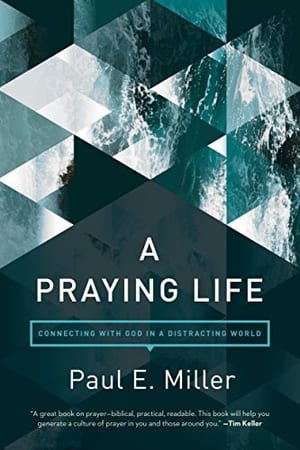
A Praying Life
Paul E. Miller
View on Amazon →
Women of the Word
Jen Wilkin
View on Amazon →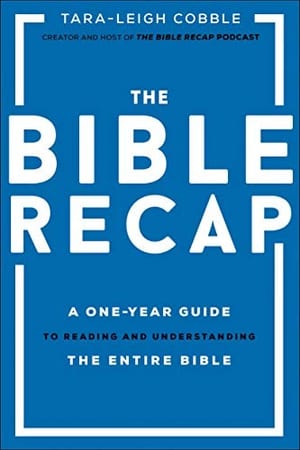
The Bible Recap
Tara-Leigh Cobble
View on Amazon →As an Amazon Associate we earn from qualifying purchases.