
How to Pronounce
SabbathSAB-uhth
Hear the pronunciation of Sabbath
Click to play audio
New Testament Reading
Introducing Jesus
Mark L. Strauss
View on Amazon →
Basic Christianity
John Stott
View on Amazon →
The King Jesus Gospel
Scot McKnight
View on Amazon →
Reading the Gospels Wisely
Jonathan T. Pennington
View on Amazon →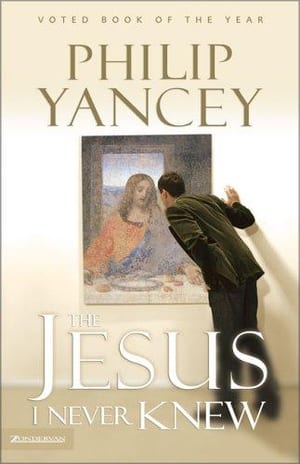
The Jesus I Never Knew
Philip Yancey
View on Amazon →As an Amazon Associate we earn from qualifying purchases.
Pronunciation Video
Watch on YouTube →Historical Context
Sabbath: Sacred Rest in Scripture
The word Sabbath comes from the Hebrew shabbat (שַׁבָּת), derived from the root shabat, meaning "to cease" or "to rest." Understanding how to pronounce Sabbath correctly—SAB-uhth—helps Bible readers engage more confidently with one of Scripture's most foundational concepts.
Biblical Roots and Meaning
The Sabbath represents far more than a day off. It commemorates God's own rest on the seventh day of creation (Genesis 2:2–3), establishing a pattern of rhythmic cessation that runs throughout Hebrew law and practice. The fourth commandment in Exodus 20:8–11 commands Israel to "remember the Sabbath day, to keep it holy," making Sabbath pronunciation and understanding essential for grasping biblical theology.
Pronouncing Sabbath correctly matters because this word appears over 100 times in Scripture, woven through the Torah, the Prophets, and the New Testament. From the Ten Commandments to Jesus's teachings about Sabbath observance in Matthew 12 and Luke 6, the concept shaped Jewish identity and Christian practice.
Why Sabbath Matters for Bible Students
The Sabbath wasn't merely a legal requirement—it was a sign of the covenant between God and Israel (Exodus 31:13–17). Violating it carried serious consequences, yet Jesus reinterpreted its purpose, emphasizing mercy and healing over rigid rule-keeping. His declaration that "the Son of Man is Lord of the Sabbath" (Matthew 12:8) sparked ongoing theological debate about how Christians should observe it.
For pastors and teachers, accurate Sabbath pronunciation and knowledge of its layers of meaning unlock rich discussions about rest, obedience, grace, and the tension between law and gospel. Whether exploring rabbinic interpretations of Sabbath restrictions or Jesus's liberating approach, Bible readers benefit from understanding both the word's etymology and its spiritual weight.
Today, whether discussing the historical Jewish practice or the Christian debate over Sabbath observance, pronouncing Sabbath with confidence ensures clear communication in Bible study, worship, and teaching contexts.
How to Read, Study & Pray

How to Read the Bible for All Its Worth
Gordon Fee & Douglas Stuart
View on Amazon →
Grasping God's Word
J. Scott Duvall & J. Daniel Hays
View on Amazon →
A Praying Life
Paul E. Miller
View on Amazon →
Women of the Word
Jen Wilkin
View on Amazon →
The Bible Recap
Tara-Leigh Cobble
View on Amazon →As an Amazon Associate we earn from qualifying purchases.
