
How to Pronounce
Sabeanssuh-BEE-uhnz
Hear the pronunciation of Sabeans
Click to play audio
Old Testament Reading

The Unfolding Mystery
Edmund P. Clowney
View on Amazon →
According to Plan
Graeme Goldsworthy
View on Amazon →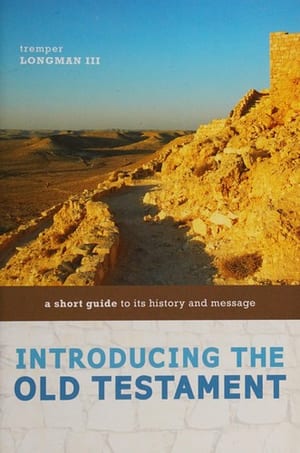
Introducing the Old Testament
Tremper Longman III
View on Amazon →
God's Big Picture
Vaughan Roberts
View on Amazon →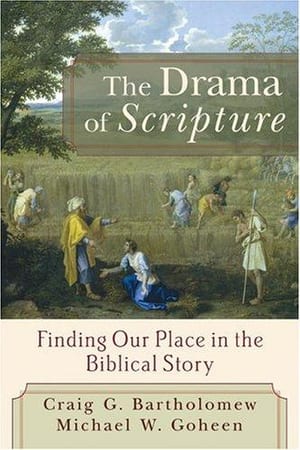
The Drama of Scripture
Bartholomew & Goheen
View on Amazon →As an Amazon Associate we earn from qualifying purchases.
Pronunciation Video
Watch on YouTube →Meaning
captivity; conversion; old age
Historical Context
Sabeans: Ancient Traders and Raiders of Scripture
The Sabeans were a people group prominent in ancient Arabian and East African trade networks, and their name appears several times throughout the Old Testament. Understanding how to pronounce Sabeans correctly—suh-BEE-uhnz—helps Bible readers engage more deeply with the historical and spiritual narratives in which they appear.
Etymology and Original Language
The term "Sabeans" derives from the Hebrew Sheba (שׁבא), referring to the ancient kingdom of Sheba, primarily located in southwestern Arabia (modern-day Yemen). The people were known as skilled merchants and raiders who controlled vital trade routes for frankincense, myrrh, and spices. The name's meaning connects to concepts of captivity, conversion, and old age—possibly reflecting their role in capturing goods and peoples through trade and conquest, or the ancient, established nature of their civilization.
Where Sabeans Appear in Scripture
The Sabeans are mentioned most notably in the book of Job. In Job 1:15, raiders identified as Sabeans attack Job's servants and steal his oxen and donkeys, representing one of the calamities that test Job's faith. This reference illustrates the Sabeans' reputation as aggressive traders and raiders in the ancient Near East.
They also appear in Isaiah 43:3, where God references Sheba (the Sabean kingdom) alongside Egypt and Cush as nations whose wealth He will give as ransom for His people—underscoring the Sabeans' economic prominence and the value of their trade goods.
Why Sabeans Matter for Bible Readers
Pronouncing Sabeans correctly enriches your understanding of ancient biblical geography and commerce. These weren't merely mythical figures; they were real historical traders whose economic power influenced Mediterranean and Middle Eastern politics. Recognizing the Sabeans pronunciation in context helps readers grasp how Scripture reflects actual ancient trade networks and military threats.
For pastors and Bible teachers, knowing Sabeans pronunciation and their historical significance allows for more informed discussions about Job's trials and God's sovereignty over world powers. The Sabeans remind us that biblical accounts are grounded in real history.
How to Read, Study & Pray

How to Read the Bible for All Its Worth
Gordon Fee & Douglas Stuart
View on Amazon →
Grasping God's Word
J. Scott Duvall & J. Daniel Hays
View on Amazon →
A Praying Life
Paul E. Miller
View on Amazon →
Women of the Word
Jen Wilkin
View on Amazon →
The Bible Recap
Tara-Leigh Cobble
View on Amazon →As an Amazon Associate we earn from qualifying purchases.
