How to Pronounce
ShekelSHEHK-uhl
Hear the pronunciation of Shekel
Click to play audio
Old Testament Reading
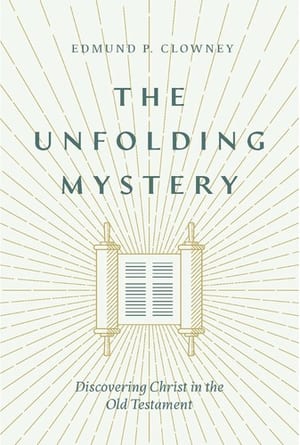
The Unfolding Mystery
Edmund P. Clowney
View on Amazon →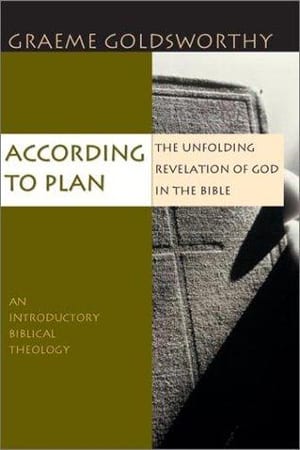
According to Plan
Graeme Goldsworthy
View on Amazon →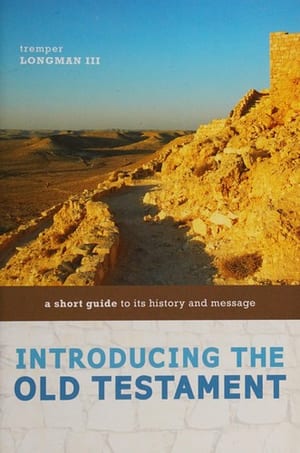
Introducing the Old Testament
Tremper Longman III
View on Amazon →
God's Big Picture
Vaughan Roberts
View on Amazon →
The Drama of Scripture
Bartholomew & Goheen
View on Amazon →As an Amazon Associate we earn from qualifying purchases.
Pronunciation Video
Watch on YouTube →Historical Context
Shekel: Understanding the Ancient Currency of Scripture
The word shekel (Hebrew: sheqel) originates from a root meaning "to weigh," reflecting its original function as a unit of weight rather than a stamped coin. In ancient Israel and the Near East, the shekel served as both a weight measurement and a monetary standard. Understanding how to pronounce Shekel correctly—SHEHK-uhl—helps Bible readers engage more authentically with Scripture's economic language.
What Made the Shekel Matter?
The shekel was the primary currency system in biblical times, appearing throughout the Old Testament as the standard for commerce, taxation, and religious offerings. Its value fluctuated based on the metal—silver shekels were most common, though gold shekels also existed. A single silver shekel represented significant purchasing power; in ancient times, it could buy a substantial meal or day's labor.
Shekel Pronunciation and Biblical References
When pronouncing Shekel correctly in Bible study, remember the emphasis falls on the first syllable. The term appears frequently in Scripture: Abraham purchases Machpelah for "four hundred shekels of silver" (Genesis 23:15), and the Temple tax demanded a half-shekel from each Israelite male (Exodus 30:13). The New Testament references this same coin when Matthew describes Jesus and the half-shekel tax (Matthew 17:24).
The phrase "shekel of the sanctuary" (Numbers 3:47) distinguished the official Temple standard from common merchant weights, ensuring consistency in religious transactions and preventing fraud in offerings.
Why This Matters for Modern Bible Readers
Grasping Shekel pronunciation and meaning illuminates biblical narratives about wealth, debt, and religious obligation. When Judas receives "thirty shekels of silver" for betraying Jesus (Matthew 26:15), that amount carried specific cultural weight—it was compensation for a slave's accidental death (Exodus 21:32), making the insult layered and profound.
For pastors, teachers, and serious Bible students, pronouncing Shekel with confidence and understanding its economic significance deepens sermon preparation and textual analysis. The shekel wasn't merely currency; it was woven into Israel's legal system, Temple worship, and daily life.
How to Read, Study & Pray
How to Read the Bible for All Its Worth
Gordon Fee & Douglas Stuart
View on Amazon →
Grasping God's Word
J. Scott Duvall & J. Daniel Hays
View on Amazon →
A Praying Life
Paul E. Miller
View on Amazon →
Women of the Word
Jen Wilkin
View on Amazon →
The Bible Recap
Tara-Leigh Cobble
View on Amazon →As an Amazon Associate we earn from qualifying purchases.