How to Pronounce
ShammahSHAM-uh
Hear the pronunciation of Shammah
Click to play audio
Old Testament Reading
The Unfolding Mystery
Edmund P. Clowney
View on Amazon →
According to Plan
Graeme Goldsworthy
View on Amazon →
Introducing the Old Testament
Tremper Longman III
View on Amazon →
God's Big Picture
Vaughan Roberts
View on Amazon →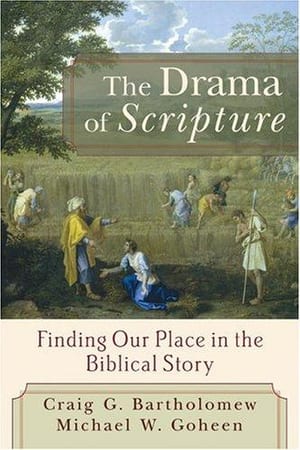
The Drama of Scripture
Bartholomew & Goheen
View on Amazon →As an Amazon Associate we earn from qualifying purchases.
Pronunciation Video
Watch on YouTube →Meaning
loss; desolation; astonishment
Historical Context
Shammah: A Name Rooted in Desolation
Shammah (Hebrew: שַׁמָּה) comes from a root word meaning "loss," "desolation," or "astonishment." Understanding how to pronounce Shammah correctly—SHAM-uh—helps Bible readers recognize this name when encountered in genealogies and historical narratives. The name itself carries the weight of its meaning: something abandoned, laid waste, or left in shock.
Etymology and Original Meaning
The Hebrew root underlying Shammah suggests devastation or ruin. In ancient Hebrew thought, names often reflected spiritual or circumstantial realities, so a person named Shammah bore a name connected to loss or abandonment. This wasn't uncommon in biblical culture, where names carried prophetic or descriptive significance. When pronouncing Shammah correctly in your study, remember that the double "m" sound is essential to the proper Shammah pronunciation.
Shammah in Scripture
Shammah appears multiple times in the Old Testament, most notably as one of David's mighty men—his elite warriors. In 2 Samuel 23:11–13, Shammah is recorded as the son of Agee the Hararite, famous for his stand against the Philistines in a lentil field. While his brothers and fellow soldiers fled, Shammah held his ground and struck down the enemy, earning his place among David's Thirty. This account reveals that despite his name's association with desolation, Shammah himself was a man of courage and resolve.
The name also appears in 1 Samuel 16:9 and 1 Chronicles 2:13, where another Shammah is listed as one of Jesse's sons—making him David's brother. Additionally, 1 Chronicles 11:27 mentions a Shammah of the Harodites among David's warriors.
Why This Matters for Bible Students
Recognizing Shammah in your reading enriches your understanding of David's military leadership and the character of his closest allies. These were men of action and faith. Learning how to pronounce Shammah helps you engage more fully with the historical and cultural layers of these narratives, moving beyond silent reading into a more embodied, vocal encounter with Scripture.
How to Read, Study & Pray

How to Read the Bible for All Its Worth
Gordon Fee & Douglas Stuart
View on Amazon →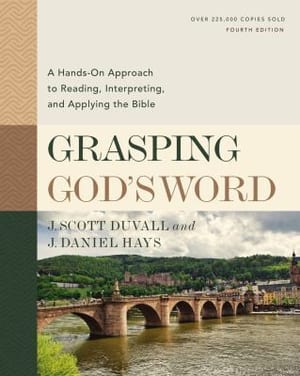
Grasping God's Word
J. Scott Duvall & J. Daniel Hays
View on Amazon →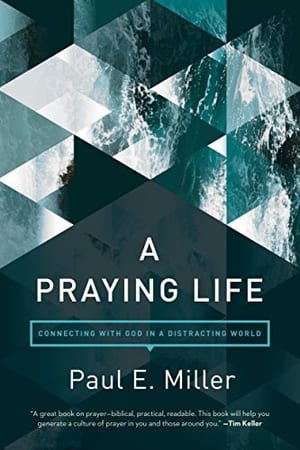
A Praying Life
Paul E. Miller
View on Amazon →
Women of the Word
Jen Wilkin
View on Amazon →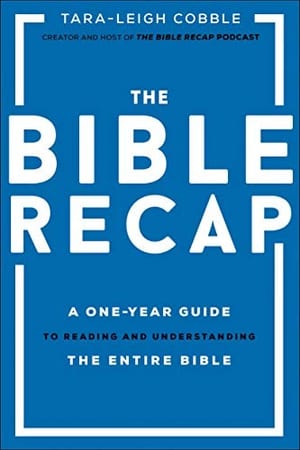
The Bible Recap
Tara-Leigh Cobble
View on Amazon →As an Amazon Associate we earn from qualifying purchases.