How to Pronounce
SeirSEE-er
Hear the pronunciation of Seir
Click to play audio
Old Testament Reading

The Unfolding Mystery
Edmund P. Clowney
View on Amazon →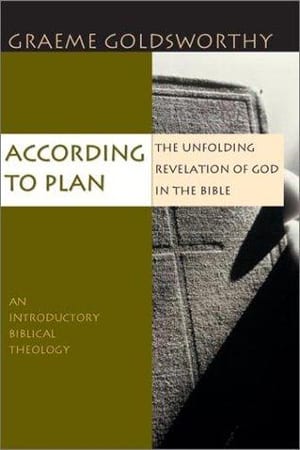
According to Plan
Graeme Goldsworthy
View on Amazon →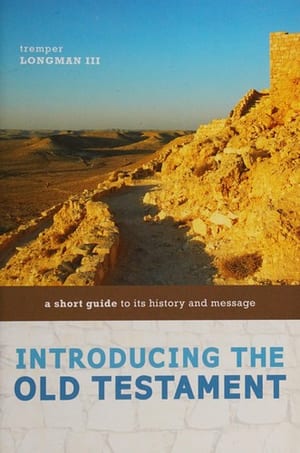
Introducing the Old Testament
Tremper Longman III
View on Amazon →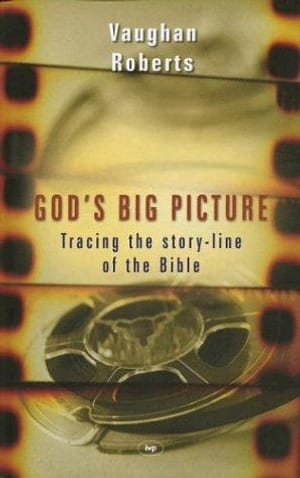
God's Big Picture
Vaughan Roberts
View on Amazon →
The Drama of Scripture
Bartholomew & Goheen
View on Amazon →As an Amazon Associate we earn from qualifying purchases.
Pronunciation Video
Watch on YouTube →Meaning
Seirath, hairy; goat; demon; tempest
Historical Context
Seir: Pronunciation and Biblical Meaning
The correct way of pronouncing Seir is SEE-er, with the emphasis on the first syllable. This name appears throughout Scripture as both a geographic location and a reference to spiritual realities that merit closer examination.
Etymology and Original Language
Seir derives from Hebrew origins with multiple layers of meaning. The word connects to Seirath, which carries connotations of hairiness or a hairy place—likely referencing the rugged, mountainous terrain. The name also connects to words meaning "goat" and carries associations with wildness and untamed wilderness. In some contexts, Seir references demons or spiritual forces, while other interpretations suggest connections to tempests or storm imagery.
Geographic and Spiritual Significance
Mount Seir appears prominently as the mountainous region associated with Edom and the descendants of Esau. You'll encounter Seir pronunciation questions most often when reading Genesis 32:3 and 36:8, where the geography becomes crucial to understanding tribal movements and territorial claims. The mountain range served as a natural boundary and held strategic importance throughout Israel's history.
Beyond mere geography, pronouncing Seir correctly helps Bible students grasp its symbolic weight. The name's association with goats and wildness reflects the untamed nature of Edom itself—a nation perpetually at odds with Israel, yet bound by familial ties through Esau.
Why Seir Matters for Bible Readers
Understanding Seir pronunciation and meaning enriches your comprehension of Old Testament narratives. When Jacob encounters Esau near Mount Seir in Genesis, the landscape itself becomes a character in the story—representing the wild, unpredictable nature of their relationship. The mountain also features in prophetic passages where Edom's judgment is pronounced.
For pastors and teachers, getting Seir pronunciation right demonstrates credibility when discussing Edomite history or Jacob's journey. More importantly, recognizing the spiritual dimensions embedded in the name—the wildness, the demonic associations in some contexts—opens interpretive possibilities that purely geographic readings might miss. This multivalent meaning reflects how biblical names often carry theological weight beyond simple identification.
How to Read, Study & Pray

How to Read the Bible for All Its Worth
Gordon Fee & Douglas Stuart
View on Amazon →
Grasping God's Word
J. Scott Duvall & J. Daniel Hays
View on Amazon →
A Praying Life
Paul E. Miller
View on Amazon →
Women of the Word
Jen Wilkin
View on Amazon →
The Bible Recap
Tara-Leigh Cobble
View on Amazon →As an Amazon Associate we earn from qualifying purchases.