
How to Pronounce
SeahSEE-uh
Hear the pronunciation of Seah
Click to play audio
Old Testament Reading

The Unfolding Mystery
Edmund P. Clowney
View on Amazon →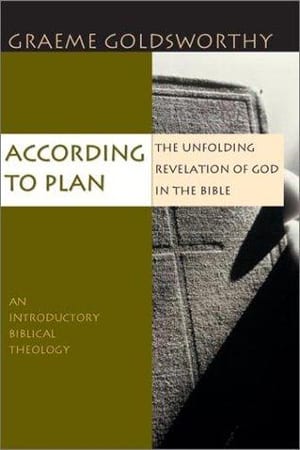
According to Plan
Graeme Goldsworthy
View on Amazon →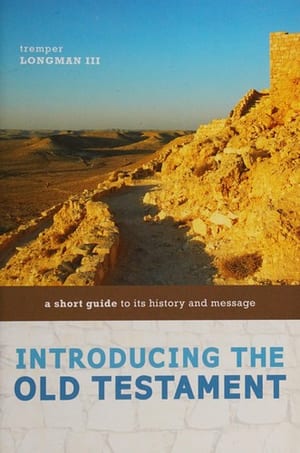
Introducing the Old Testament
Tremper Longman III
View on Amazon →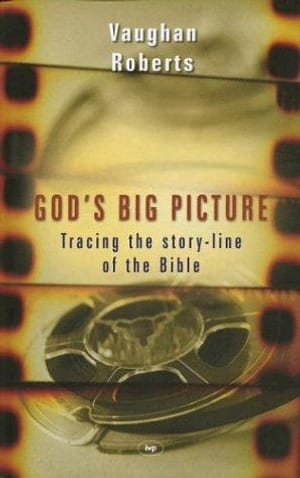
God's Big Picture
Vaughan Roberts
View on Amazon →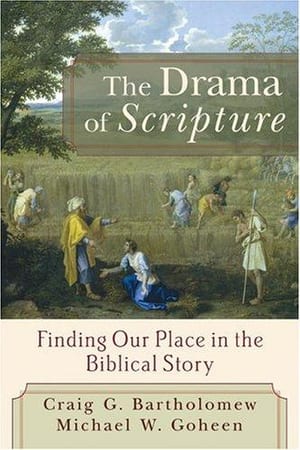
The Drama of Scripture
Bartholomew & Goheen
View on Amazon →As an Amazon Associate we earn from qualifying purchases.
Pronunciation Video
Watch on YouTube →Historical Context
Seah: An Ancient Hebrew Measure of Grain
The word Seah (Hebrew: סאה) appears throughout Scripture as a unit of dry measurement, primarily for grain and flour. Learning how to pronounce Seah correctly—SEE-uh—helps Bible readers navigate passages about harvests, offerings, and daily provisions in the ancient Near East.
Etymology and Original Meaning
The Hebrew term derives from a root meaning "to measure" or "to measure out." The Seah represented a standardized container used in ancient Israel for measuring dry goods. One Seah equaled approximately one-third of an ephah, making it a practical everyday measurement for households and merchants alike.
Where Seah Appears in Scripture
The Seah shows up in several key biblical passages. In 2 Kings 7:1 and 2 Kings 7:16, during the siege of Samaria, a Seah of fine flour is mentioned in connection with miraculous price drops. The measure also appears in 1 Samuel 25:18, where Abigail brings David provisions measured in Seahs. Most significantly, Matthew 13:33 references a woman hiding leaven in three Seahs of flour—a parable about the kingdom of heaven.
Why Seah Matters for Bible Study
Understanding the Seah pronunciation and its practical significance enriches biblical interpretation. When passages mention specific quantities, they're not being arbitrary—they reflect the real economic and domestic life of ancient Israel. The Seah helps us visualize the scale of offerings, gifts, and miraculous provisions recorded in Scripture.
For pastors and teachers, pronouncing Seah correctly demonstrates familiarity with biblical terminology and builds credibility when explaining Old Testament narratives. Students gain insight into how ancient Israelites managed resources and conducted commerce, grounding Bible stories in historical reality rather than abstract theology.
Whether you're preparing a sermon, leading a Bible study, or simply deepening your knowledge of Scripture, knowing how to pronounce Seah—and what it represented—transforms your engagement with God's Word.
How to Read, Study & Pray

How to Read the Bible for All Its Worth
Gordon Fee & Douglas Stuart
View on Amazon →
Grasping God's Word
J. Scott Duvall & J. Daniel Hays
View on Amazon →
A Praying Life
Paul E. Miller
View on Amazon →
Women of the Word
Jen Wilkin
View on Amazon →
The Bible Recap
Tara-Leigh Cobble
View on Amazon →As an Amazon Associate we earn from qualifying purchases.
