How to Pronounce
ScythianSIH-thee-uihn
Hear the pronunciation of Scythian
Click to play audio
New Testament Reading
Introducing Jesus
Mark L. Strauss
View on Amazon →
Basic Christianity
John Stott
View on Amazon →
The King Jesus Gospel
Scot McKnight
View on Amazon →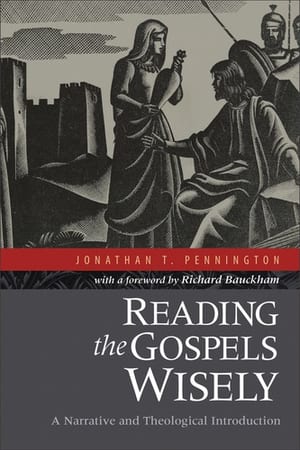
Reading the Gospels Wisely
Jonathan T. Pennington
View on Amazon →
The Jesus I Never Knew
Philip Yancey
View on Amazon →As an Amazon Associate we earn from qualifying purchases.
Pronunciation Video
Watch on YouTube →Meaning
The proper way of pronouncing Scythian correctly is SIH-thee-uihn. The word comes from the Greek Skythēs, which referred to the ancient nomadic peoples who inhabited the steppes north of the Black Sea and east of the Caspian Sea. Understanding Scythian pronunciation matters because this term appears in Paul's epistles and carries significant cultural weight in the biblical world.
Historical Context
Scythian: Pronunciation and Biblical Meaning
The proper way of pronouncing Scythian correctly is SIH-thee-uihn. The word comes from the Greek Skythēs, which referred to the ancient nomadic peoples who inhabited the steppes north of the Black Sea and east of the Caspian Sea. Understanding Scythian pronunciation matters because this term appears in Paul's epistles and carries significant cultural weight in the biblical world.
Where Scythians Appear in Scripture
The most direct biblical reference to Scythians occurs in Colossians 3:11, where Paul writes about the unity of believers in Christ. He lists various groups—Greek, Jew, circumcised, uncircumcised, barbarian, Scythian, slave, and free—to emphasize that Christ transcends all social, ethnic, and cultural boundaries. The inclusion of Scythians here is deliberate: they were considered among the most "uncivilized" peoples by Greco-Roman standards.
The Historical and Cultural Context
When pronouncing Scythian pronunciation becomes relevant in Bible study, it's because these were fierce warrior tribes known for their equestrian skills and perceived savagery by Mediterranean societies. They lived far from the civilized centers of the Roman Empire, making them emblematic of "the other"—those considered outside the bounds of refined society. By mentioning Scythians alongside Greeks and Jews, Paul was making a radical statement: even those viewed as utterly foreign and uncivilized were included in God's redemptive plan through Christ.
Why This Matters for Bible Readers
How to pronounce Scythian correctly helps you engage more confidently with this passage in group Bible studies, teaching contexts, or personal devotional reading. More importantly, recognizing who the Scythians were illuminates Paul's rhetorical strategy. He wasn't simply listing random ethnic groups—he was naming the most socially marginalized peoples imaginable to underscore that Christ's reconciliation extends to absolutely everyone, regardless of how "civilized" or "barbaric" the world deemed them.
This single reference opens up profound theological insight about inclusion, dignity, and the universal scope of the gospel.
How to Read, Study & Pray

How to Read the Bible for All Its Worth
Gordon Fee & Douglas Stuart
View on Amazon →
Grasping God's Word
J. Scott Duvall & J. Daniel Hays
View on Amazon →
A Praying Life
Paul E. Miller
View on Amazon →
Women of the Word
Jen Wilkin
View on Amazon →
The Bible Recap
Tara-Leigh Cobble
View on Amazon →As an Amazon Associate we earn from qualifying purchases.