How to Pronounce
Scholasticaskuh-LAS-tih-kuh
Hear the pronunciation of Scholastica
Click to play audio
New Testament Reading
Introducing Jesus
Mark L. Strauss
View on Amazon →
Basic Christianity
John Stott
View on Amazon →
The King Jesus Gospel
Scot McKnight
View on Amazon →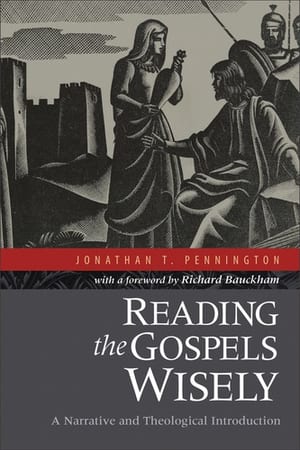
Reading the Gospels Wisely
Jonathan T. Pennington
View on Amazon →
The Jesus I Never Knew
Philip Yancey
View on Amazon →As an Amazon Associate we earn from qualifying purchases.
Pronunciation Video
Watch on YouTube →Historical Context
Scholastica: Pronunciation and Biblical Background
The name Scholastica (pronounced skuh-LAS-tih-kuh) has a fascinating history rooted in the Latin language. Derived from scholasticus, it carries the meaning "of or relating to schools" or "scholarly." The root schola refers to a school or learned discussion, making this name inherently connected to education and intellectual pursuit.
Why Scholastica Matters in Christian Tradition
While Scholastica does not appear in the biblical text itself, she holds significant importance in early Christian history as a revered saint and the twin sister of Saint Benedict of Nursia, the founder of Western monasticism. Understanding how to pronounce Scholastica correctly matters for those studying monastic history, patristic literature, and the development of the Church during the 5th and 6th centuries.
Scholastica lived approximately 480–547 AD and became the foundress of the first Benedictine convent for women. Her life exemplified the monastic ideals that shaped Christian spirituality for centuries. When Bible teachers and students encounter references to early Church history, monastic theology, or the role of women in religious communities, knowing the Scholastica pronunciation becomes relevant for proper discussion and citation.
Pronouncing Scholastica Correctly
Breaking down the phonetic guide skuh-LAS-tih-kuh: the first syllable is unstressed ("skuh"), the second syllable carries the primary stress ("LAS"), and the final two syllables follow naturally ("tih-kuh"). This pronunciation applies consistently across English-speaking contexts, whether in academic settings or church discussions.
Relevance for Modern Bible Students
For pastors and Bible students exploring early Christian monasticism or the historical development of Christian spirituality, pronouncing Scholastica correctly demonstrates scholarly care and respect for Church tradition. Many resources on contemplative prayer, monastic theology, and women's contributions to Christianity reference her life and teachings, making accurate pronunciation essential for meaningful dialogue and research.
How to Read, Study & Pray
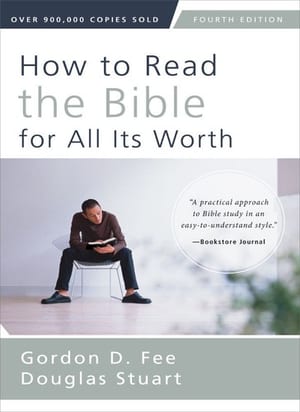
How to Read the Bible for All Its Worth
Gordon Fee & Douglas Stuart
View on Amazon →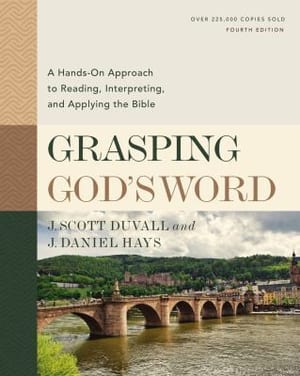
Grasping God's Word
J. Scott Duvall & J. Daniel Hays
View on Amazon →
A Praying Life
Paul E. Miller
View on Amazon →
Women of the Word
Jen Wilkin
View on Amazon →
The Bible Recap
Tara-Leigh Cobble
View on Amazon →As an Amazon Associate we earn from qualifying purchases.