How to Pronounce
SaviorSAYV-yer
Hear the pronunciation of Savior
Click to play audio
New Testament Reading

Introducing Jesus
Mark L. Strauss
View on Amazon →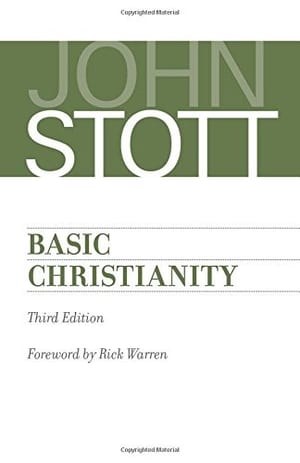
Basic Christianity
John Stott
View on Amazon →
The King Jesus Gospel
Scot McKnight
View on Amazon →
Reading the Gospels Wisely
Jonathan T. Pennington
View on Amazon →
The Jesus I Never Knew
Philip Yancey
View on Amazon →As an Amazon Associate we earn from qualifying purchases.
Pronunciation Video
Watch on YouTube →Historical Context
Savior: SAYV-yer
The English word "Savior" comes from the Latin salvator, derived from salvus, meaning "safe" or "whole." When you're pronouncing Savior correctly—SAYV-yer—you're speaking a word that carries centuries of theological weight and cultural significance.
Original Language Roots
In the New Testament, the Greek term σωτήρ (sōtēr) is the primary word translated as "Savior." This wasn't unique to Christian vocabulary; Greek-speaking cultures used sōtēr for political leaders, military commanders, and gods who rescued people from danger or disease. Early Christians deliberately applied this honored title to Jesus, asserting His supreme authority and redemptive power.
Biblical Significance and Usage
The term appears prominently throughout the New Testament. Luke 2:11 announces Jesus as "Savior" at His birth. The Apostle Paul uses sōtēr repeatedly in his epistles, particularly in Philippians 3:20 and Titus 1:4, where he emphasizes Jesus as Savior in connection with salvation and grace. Understanding how to pronounce Savior matters because it's central to Christian proclamation—Jesus isn't merely a teacher or prophet, but the one who rescues humanity from sin and death.
Why This Matters for Bible Readers
When you encounter "Savior" in scripture, you're reading a word loaded with Old Testament precedent too. Hebrew texts speak of God as moshia (מוֹשִׁיעַ), meaning "deliverer" or "rescuer." By applying sōtēr to Jesus, New Testament writers made an audacious claim: Jesus embodies God's saving action in human history.
Pronouncing Savior correctly—SAYV-yer—is straightforward, but grasping its meaning requires recognizing the rescue, healing, and wholeness it implies. Whether you're preparing a sermon, teaching a Bible study, or simply deepening your personal study, this word anchors the gospel's core promise: salvation through Christ.
How to Read, Study & Pray

How to Read the Bible for All Its Worth
Gordon Fee & Douglas Stuart
View on Amazon →
Grasping God's Word
J. Scott Duvall & J. Daniel Hays
View on Amazon →
A Praying Life
Paul E. Miller
View on Amazon →
Women of the Word
Jen Wilkin
View on Amazon →
The Bible Recap
Tara-Leigh Cobble
View on Amazon →As an Amazon Associate we earn from qualifying purchases.