
How to Pronounce
SaraphSAY-raf
Hear the pronunciation of Saraph
Click to play audio
Old Testament Reading

The Unfolding Mystery
Edmund P. Clowney
View on Amazon →
According to Plan
Graeme Goldsworthy
View on Amazon →
Introducing the Old Testament
Tremper Longman III
View on Amazon →
God's Big Picture
Vaughan Roberts
View on Amazon →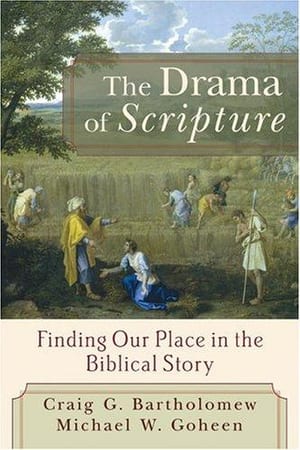
The Drama of Scripture
Bartholomew & Goheen
View on Amazon →As an Amazon Associate we earn from qualifying purchases.
Pronunciation Video
Watch on YouTube →Historical Context
Saraph: Understanding an Ancient Hebrew Word for Fire Beings
The word Saraph (pronounced SAY-raf) comes from the Hebrew root śāraph, which literally means "to burn" or "burning one." Understanding how to pronounce Saraph correctly opens a window into one of Scripture's most mysterious heavenly creatures. The term itself reflects the fiery nature of these beings, grounding the word's meaning in its most fundamental characteristic.
Where Saraph Appears in Scripture
The primary biblical reference to the Seraphim (plural of Saraph) appears in Isaiah 6:2–7, where the prophet encounters these six-winged beings in a vision of God's throne room. Isaiah describes them as flying creatures who surround the throne, covering their faces and feet with two of their wings while using the third pair for flight. In this passage, one of the Seraphim touches Isaiah's lips with a coal from God's altar, purifying him for his prophetic calling.
A secondary reference appears in Numbers 21:6–9, where Moses encounters "fiery serpents" (seraphim in Hebrew) in the wilderness. These creatures bite the Israelites as divine judgment, and God instructs Moses to create a bronze serpent as a means of healing—a passage Jesus later references in John 3:14.
Why Pronouncing Saraph Correctly Matters
Saraph pronunciation matters because it connects us directly to the Hebrew understanding of holiness and divine fire. When Bible teachers explain these beings by pronouncing Saraph correctly, listeners grasp the intentional wordplay: beings made of fire, existing in the presence of God's holiness. This linguistic connection enriches devotional reading and theological study.
For pastors and Bible students, mastering Saraph pronunciation demonstrates familiarity with Scripture's original language and enhances credibility when teaching about heavenly worship and God's throne room. The word embodies both the terrifying and transformative nature of encountering the divine—a reality that Isaiah's vision powerfully illustrates.
How to Read, Study & Pray

How to Read the Bible for All Its Worth
Gordon Fee & Douglas Stuart
View on Amazon →
Grasping God's Word
J. Scott Duvall & J. Daniel Hays
View on Amazon →
A Praying Life
Paul E. Miller
View on Amazon →
Women of the Word
Jen Wilkin
View on Amazon →
The Bible Recap
Tara-Leigh Cobble
View on Amazon →As an Amazon Associate we earn from qualifying purchases.
