How to Pronounce
SaraiSAY-rai
Hear the pronunciation of Sarai
Click to play audio
Old Testament Reading

The Unfolding Mystery
Edmund P. Clowney
View on Amazon →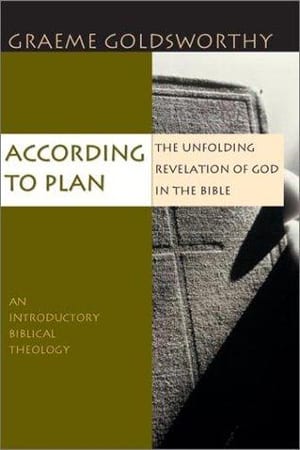
According to Plan
Graeme Goldsworthy
View on Amazon →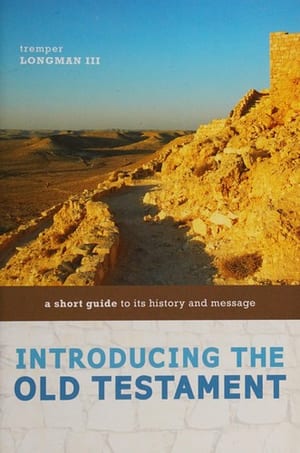
Introducing the Old Testament
Tremper Longman III
View on Amazon →
God's Big Picture
Vaughan Roberts
View on Amazon →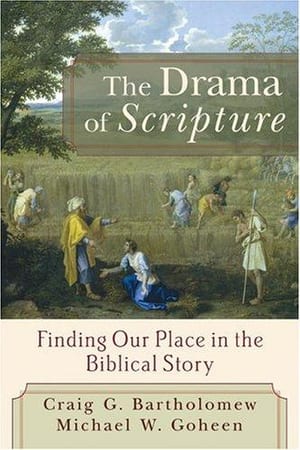
The Drama of Scripture
Bartholomew & Goheen
View on Amazon →As an Amazon Associate we earn from qualifying purchases.
Pronunciation Video
Watch on YouTube →Meaning
my lady; my princess
Historical Context
Sarai: The Princess Who Became a Mother of Nations
The name Sarai appears throughout the patriarchal narratives of Genesis, yet many Bible readers encounter difficulty with how to pronounce Sarai correctly. The proper Sarai pronunciation is SAY-rai, with emphasis on the first syllable, drawing from the Hebrew שָׂרַי (Śāray).
Etymology and Meaning
Sarai derives from the Hebrew root meaning "my lady" or "my princess"—a possessive form emphasizing personal ownership or intimate relationship. This name carried significant weight in ancient Near Eastern culture, where names often reflected family status and divine favor. The Hebrew structure itself suggests a tender, relational quality rather than a distant title.
Biblical Significance and Scripture References
Sarai was the wife of Abram (later Abraham) and plays a crucial role in God's covenant narrative. She appears prominently in Genesis 11:29, where she's introduced as Abram's wife, and throughout Genesis 12–23, where her story unfolds. Most significantly, at age ninety, she bore Isaac—the promised heir through whom God's covenant with Abraham would continue.
Her name changed to Sarah (meaning simply "princess," without the possessive "my") in Genesis 17:15, marking her transformation from Abram's princess to the matriarch of Israel. This name change paralleled Abraham's own renaming and signified her elevated role in God's redemptive plan.
Why Sarai Matters for Bible Readers
Understanding pronouncing Sarai correctly matters because her story illustrates profound theological themes: faith tested by impossible circumstances, God's faithfulness to His promises, and the redemptive power of divine intervention. Her laughter at God's promise of a child (Genesis 18:12) captures human doubt—yet she became the mother of the nation from which Jesus descended.
When you encounter Sarai in your Bible reading, you're meeting a woman whose name—"my princess"—became prophetic. She exemplifies how God transforms the ordinary into the extraordinary, making her one of Scripture's most compelling figures for modern believers seeking to understand faith, patience, and God's sovereignty.
How to Read, Study & Pray

How to Read the Bible for All Its Worth
Gordon Fee & Douglas Stuart
View on Amazon →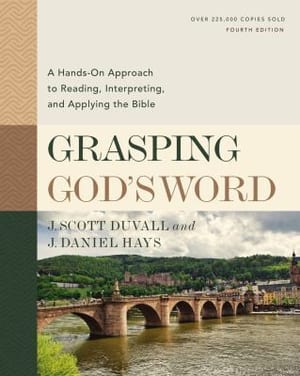
Grasping God's Word
J. Scott Duvall & J. Daniel Hays
View on Amazon →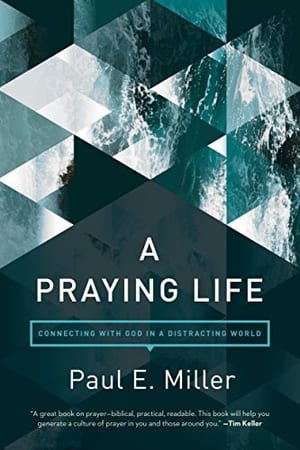
A Praying Life
Paul E. Miller
View on Amazon →
Women of the Word
Jen Wilkin
View on Amazon →
The Bible Recap
Tara-Leigh Cobble
View on Amazon →As an Amazon Associate we earn from qualifying purchases.