How to Pronounce
OphirO-fer
Hear the pronunciation of Ophir
Click to play audio
Old Testament Reading

The Unfolding Mystery
Edmund P. Clowney
View on Amazon →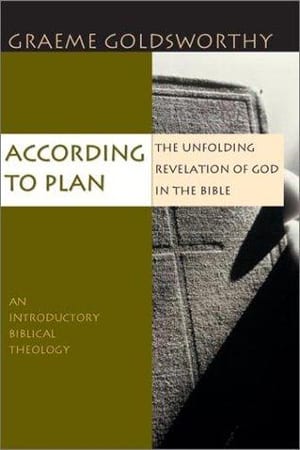
According to Plan
Graeme Goldsworthy
View on Amazon →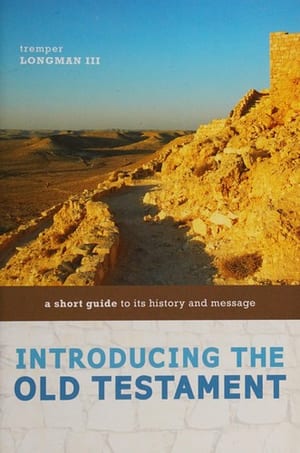
Introducing the Old Testament
Tremper Longman III
View on Amazon →
God's Big Picture
Vaughan Roberts
View on Amazon →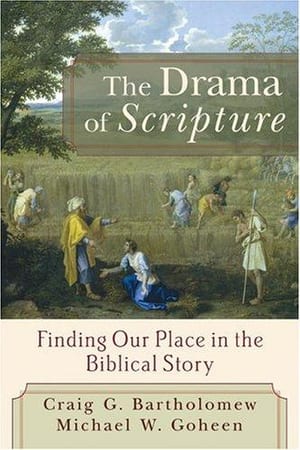
The Drama of Scripture
Bartholomew & Goheen
View on Amazon →As an Amazon Associate we earn from qualifying purchases.
Pronunciation Video
Watch on YouTube →Meaning
fruitful region
Historical Context
Ophir: A Golden Land of Ancient Scripture
The name Ophir appears throughout the Old Testament as a place of legendary wealth and precious materials. Learning how to pronounce Ophir correctly—O-fer—helps Bible readers engage more confidently with passages describing ancient trade and royal splendor.
Etymology and Original Meaning
Ophir likely derives from a Semitic root meaning "fruitful region" or "fertile place." The Hebrew name עוֹפִיר suggests a land abundant in resources, which aligns perfectly with how Scripture describes it. Pronouncing Ophir accurately opens the door to understanding the cultural and economic significance ancient peoples attached to this mysterious location.
Biblical Significance and References
Ophir appears most prominently in connection with King Solomon's wealth and trading expeditions. In 1 Kings 9:28, Solomon's servants sail to Ophir and return with gold—420 talents according to the text. The same account appears in 2 Chronicles 8:18, emphasizing Ophir's importance as a gold source for Israel's greatest king.
The region is also mentioned in 1 Kings 10:11 as a supplier of almug wood and precious stones, reinforcing its role as a hub for luxury goods. Job references it metaphorically in Job 22:24, using Ophir gold as a symbol of ultimate value and wealth.
Where Was Ophir?
The exact location of Ophir remains debated among scholars. Proposed sites include southern Arabia, East Africa, or even India—reflecting the vast trade networks of the ancient world. Its precise geography matters less than its symbolic weight: Ophir represented the farthest reaches of known commerce and the extent of Solomon's power.
Why It Matters Today
For pastors and Bible students, understanding Ophir enriches discussions about Solomon's reign, ancient economics, and biblical metaphor. When you're pronouncing Ophir correctly in a sermon or classroom setting, you're also communicating confidence in the text itself. This small detail helps audiences visualize the grandeur of Solomon's kingdom and appreciate the sophistication of ancient trade routes that connected distant civilizations.
How to Read, Study & Pray

How to Read the Bible for All Its Worth
Gordon Fee & Douglas Stuart
View on Amazon →
Grasping God's Word
J. Scott Duvall & J. Daniel Hays
View on Amazon →
A Praying Life
Paul E. Miller
View on Amazon →
Women of the Word
Jen Wilkin
View on Amazon →
The Bible Recap
Tara-Leigh Cobble
View on Amazon →As an Amazon Associate we earn from qualifying purchases.