How to Pronounce
Omegao-MEE-guh
Hear the pronunciation of Omega
Click to play audio
New Testament Reading

Introducing Jesus
Mark L. Strauss
View on Amazon →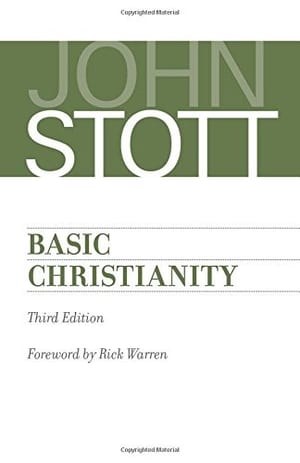
Basic Christianity
John Stott
View on Amazon →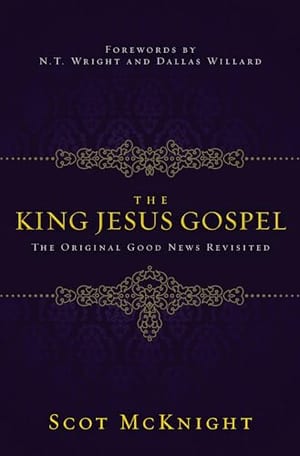
The King Jesus Gospel
Scot McKnight
View on Amazon →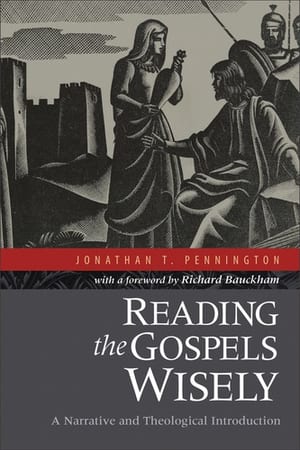
Reading the Gospels Wisely
Jonathan T. Pennington
View on Amazon →
The Jesus I Never Knew
Philip Yancey
View on Amazon →As an Amazon Associate we earn from qualifying purchases.
Pronunciation Video
Watch on YouTube →Meaning
the last letter of the Greek alphabet; long O
Historical Context
Omega: The Final Letter of God's Alphabet
The word Omega comes directly from Greek and refers to the last letter of the Greek alphabet—a fitting symbol for endings, completion, and finality. Understanding how to pronounce Omega correctly as o-MEE-guh helps Bible readers grasp one of Scripture's most profound theological metaphors.
Etymology and Original Meaning
In ancient Greek, Omega (Ω) literally means "big O" or "long O," contrasting with Alpha (Α), the first letter. While Alpha and Beta gave us our word "alphabet," Omega stands alone as the ultimate conclusion. The name itself carries weight: it's not merely a letter, but a symbol of ultimate finality and completion.
Biblical Significance and Scripture References
Omega appears in the New Testament primarily in the Book of Revelation, where Christ declares Himself using this powerful imagery. In Revelation 1:8 and 22:13, Jesus proclaims: "I am the Alpha and the Omega, the First and the Last, the Beginning and the End." This pairing—Alpha and Omega together—emphasizes Christ's eternal nature and sovereign control over all time and existence.
The symbolism is deliberate and layered. Just as Alpha opens the Greek alphabet, Omega closes it. By identifying Himself with both, Jesus claims to encompass all knowledge, all history, and all purpose. For Bible readers, pronouncing Omega correctly and understanding its meaning enriches the impact of these declarations.
Why This Matters for Bible Study
Recognizing the Omega pronunciation and its symbolic weight transforms how we read Revelation's closing chapters. When studying these passages, believers encounter not just a historical apocalyptic vision, but a theological assertion about Christ's absolute authority. The term anchors Christian hope: whatever unfolds between the beginning and end of history rests in Christ's hands.
For pastors and teachers, explaining Omega pronunciation and its biblical context helps congregations grasp why John chose this specific Greek image. It's a bridge between language, theology, and lived faith—reminding us that in Scripture, even a single letter carries cosmic significance.
How to Read, Study & Pray

How to Read the Bible for All Its Worth
Gordon Fee & Douglas Stuart
View on Amazon →
Grasping God's Word
J. Scott Duvall & J. Daniel Hays
View on Amazon →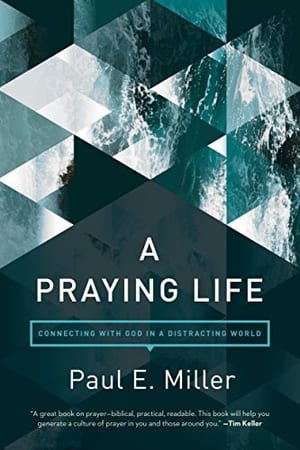
A Praying Life
Paul E. Miller
View on Amazon →
Women of the Word
Jen Wilkin
View on Amazon →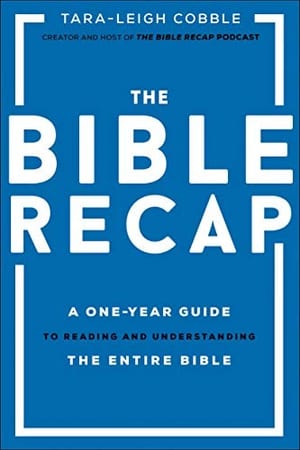
The Bible Recap
Tara-Leigh Cobble
View on Amazon →As an Amazon Associate we earn from qualifying purchases.