How to Pronounce
HorebHAWR-ehb
Hear the pronunciation of Horeb
Click to play audio
Old Testament Reading

The Unfolding Mystery
Edmund P. Clowney
View on Amazon →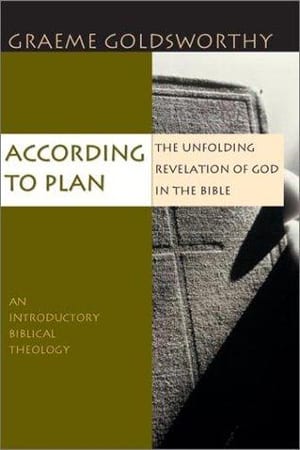
According to Plan
Graeme Goldsworthy
View on Amazon →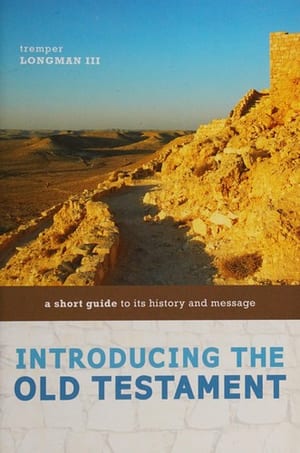
Introducing the Old Testament
Tremper Longman III
View on Amazon →
God's Big Picture
Vaughan Roberts
View on Amazon →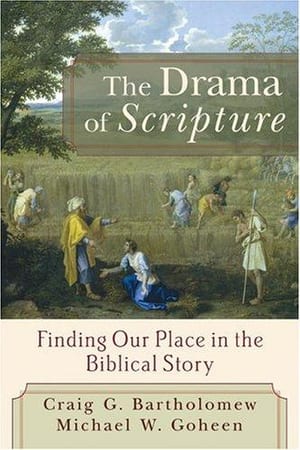
The Drama of Scripture
Bartholomew & Goheen
View on Amazon →As an Amazon Associate we earn from qualifying purchases.
Pronunciation Video
Watch on YouTube →Meaning
desert; solitude; destruction
Historical Context
Horeb: Mountain of God's Presence
The name Horeb appears throughout Scripture as one of the most sacred locations in biblical history. Understanding how to pronounce Horeb correctly—HAWR-ehb—helps Bible readers engage more fully with these pivotal narratives.
Etymology and Original Meaning
Horeb derives from Hebrew roots meaning "desert," "solitude," and "destruction." The name itself evokes the stark, desolate landscape of the Sinai Peninsula—a place of both isolation and divine encounter. This etymology is significant: the barrenness of the desert becomes the backdrop where God most dramatically reveals His presence and purpose to His people.
Biblical Significance and Key Appearances
Horeb is perhaps best known as the mountain where Moses encountered God in the burning bush (Exodus 3:1–4). It's also called "the mountain of God" in Scripture, emphasizing its spiritual importance. Later, Horeb becomes the site where God delivers the Ten Commandments to Moses (Exodus 19–20). The mountain also appears in the accounts of Elijah's encounter with God's still, small voice (1 Kings 19:8–13).
Many scholars identify Horeb with Mount Sinai, though some debate whether they represent the same location or distinct peaks. Regardless, both names refer to the mountain where Israel's covenant with God was established—a transformative moment in redemptive history.
Why Horeb Matters for Modern Bible Readers
When pronouncing Horeb correctly in study and teaching, you're honoring the weight of what happened there. This mountain witnessed God's law-giving, prophetic encounters, and covenant renewal. The desolate setting—captured in the name's meaning—reminds us that God often meets His people not in comfort but in the wilderness, where distractions fade and divine presence becomes unmistakable.
For pastors and Bible students, knowing the significance of Horeb enriches textual study. It connects seemingly distant biblical accounts and reveals how God's pattern of meeting with His people in solitary, sacred spaces runs throughout Scripture. The Horeb pronunciation guide helps ensure clarity when discussing these foundational biblical moments with congregations and students.
How to Read, Study & Pray

How to Read the Bible for All Its Worth
Gordon Fee & Douglas Stuart
View on Amazon →
Grasping God's Word
J. Scott Duvall & J. Daniel Hays
View on Amazon →
A Praying Life
Paul E. Miller
View on Amazon →
Women of the Word
Jen Wilkin
View on Amazon →
The Bible Recap
Tara-Leigh Cobble
View on Amazon →As an Amazon Associate we earn from qualifying purchases.