How to Pronounce
HaggaiHAG-ay-ai
Hear the pronunciation of Haggai
Click to play audio
Commentaries on This Book
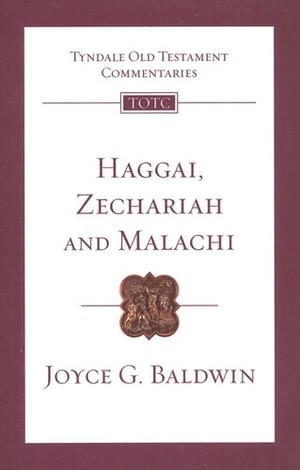
Haggai, Zechariah and Malachi (Tyndale Old Testament Commentaries)
Joyce G. Baldwin
View on Amazon →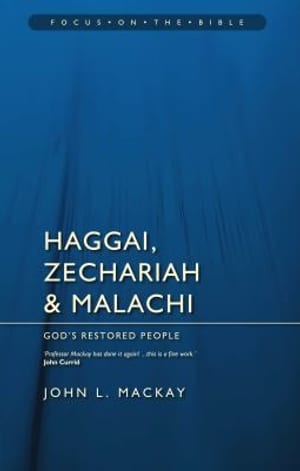
Haggai, Zechariah & Malachi: God's Restored People
John L. Mackay
View on Amazon →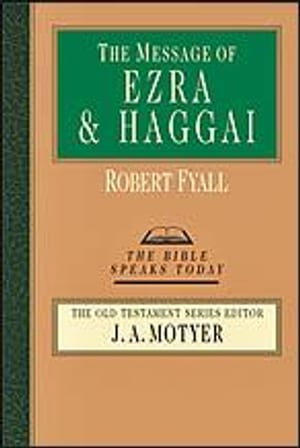
The Message of Ezra & Haggai
Robert Fyall
View on Amazon →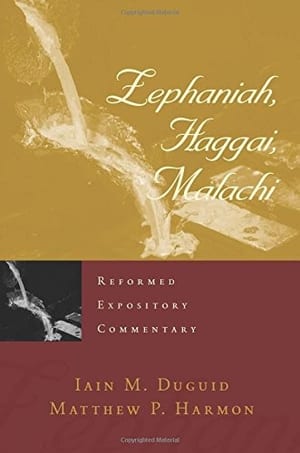
Zephaniah, Haggai, Malachi (Reformed Expository Commentary)
Iain M. Duguid and Matthew P. Harmon
View on Amazon →As an Amazon Associate we earn from qualifying purchases.
Pronunciation Video
Watch on YouTube →Meaning
feast; solemnity
Historical Context
Haggai: The Prophet of Rebuilding
The name Haggai appears in Scripture as both a personal name and the title of one of the Minor Prophets. Understanding how to pronounce Haggai correctly—HAG-ay-ai—helps Bible readers engage more confidently with this often-overlooked biblical book. The name itself carries deep meaning rooted in the Hebrew language.
Etymology and Original Meaning
Haggai derives from the Hebrew word chag (חג), which means "feast" or "solemnity." The name literally suggests someone connected to festive gatherings or sacred celebrations. This etymology is significant: Haggai, the prophet, called God's people to restore the Temple—the very center of Jewish worship and feast observance. His name embodied the spiritual renewal he proclaimed.
Pronouncing Haggai correctly—HAG-ay-ai—reflects this Hebrew root. The emphasis falls on the first syllable, with the final two syllables flowing as a diphthong.
Who Was Haggai?
Haggai was a post-exilic prophet who ministered around 520 BCE, during the reign of the Persian king Darius. After the Jewish people returned from Babylonian captivity, the Temple lay in ruins. The community had become discouraged and distracted, prioritizing their own homes over God's house. This is where Haggai entered the narrative.
His Role in Scripture
The Book of Haggai, found in the Old Testament between Zephaniah and Zechariah, contains four prophetic messages delivered over four months. These brief but powerful oracles challenged the people's complacency and motivated them to complete the Temple's reconstruction. Haggai's prophecies directly resulted in action—the Temple was finished within four years of his ministry.
What makes Haggai's message remarkable is its practical focus. Rather than dwelling on abstract theology, he addressed concrete concerns: Why had the people's harvests been disappointing? Why were they living in paneled houses while God's house remained incomplete? His logic was direct and compelling.
Why Haggai Matters Today
For Bible students and teachers, understanding Haggai pronunciation and his historical context illuminates important themes about priorities, obedience, and God's faithfulness. His brief book demonstrates how one faithful voice can inspire collective action and spiritual renewal—a message as relevant now as it was in 520 BCE.
How to Read, Study & Pray

How to Read the Bible for All Its Worth
Gordon Fee & Douglas Stuart
View on Amazon →
Grasping God's Word
J. Scott Duvall & J. Daniel Hays
View on Amazon →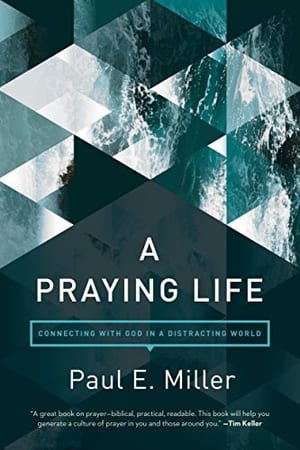
A Praying Life
Paul E. Miller
View on Amazon →
Women of the Word
Jen Wilkin
View on Amazon →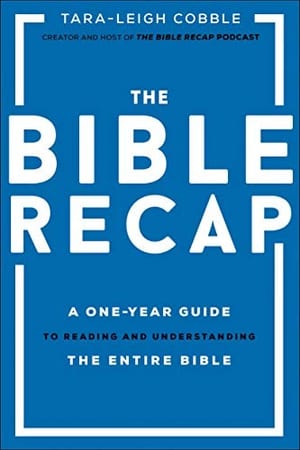
The Bible Recap
Tara-Leigh Cobble
View on Amazon →As an Amazon Associate we earn from qualifying purchases.