How to Pronounce
Habakkukhuh-BAK-uhk
Hear the pronunciation of Habakkuk
Click to play audio
Commentaries on This Book
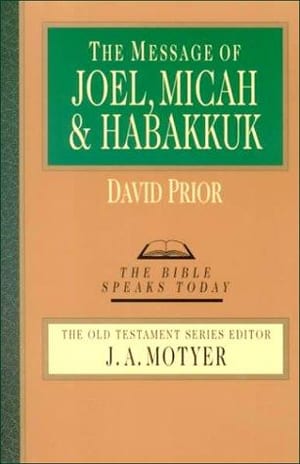
The Message of Joel, Micah and Habakkuk
David Prior
View on Amazon →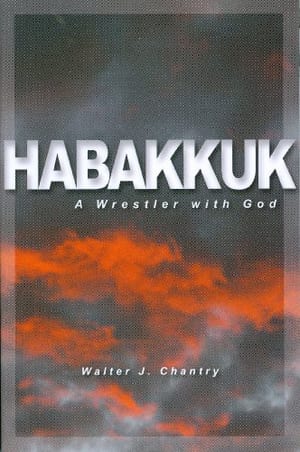
Habakkuk: A Wrestler with God
Walter J. Chantry
View on Amazon →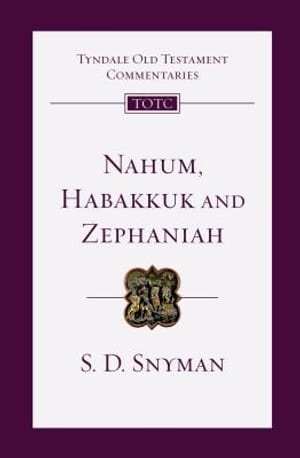
Nahum, Habakkuk and Zephaniah (Tyndale Old Testament Commentaries)
S. D. Snyman
View on Amazon →As an Amazon Associate we earn from qualifying purchases.
Pronunciation Video
Watch on YouTube →Meaning
he that embraces; a wrestler
Historical Context
Habakkuk: Pronunciation and Meaning
How to pronounce Habakkuk correctly requires attention to stress placement. The name follows the pattern huh-BAK-uhk, with the emphasis on the second syllable. Many English speakers naturally default to equal stress across all three syllables, but pronouncing Habakkuk accurately means placing that strong accent on "BAK."
Etymology and Original Language
Habakkuk derives from Hebrew roots that scholars trace to the verb chabaq, meaning "to embrace" or "to hold fast." The name itself carries the sense of "he that embraces" or alternatively, "a wrestler"—imagery suggesting someone who grapples with difficult questions or holds firmly to conviction. This etymological foundation proves remarkably fitting when you encounter the book bearing his name, where the prophet wrestles openly with God about injustice and divine silence.
Biblical Significance
Habakkuk was a minor prophet of Judah, active during the late 7th century BCE, likely in the reign of King Josiah or shortly after. His prophetic book appears as the 35th book of the Hebrew Bible and the 8th of the Minor Prophets in Christian Old Testaments. Unlike many biblical prophets who deliver God's message to the people, Habakkuk uniquely records his own struggle—a dialogue between the prophet and the Almighty about suffering, injustice, and faith.
The book opens with Habakkuk's complaint: "How long, O Lord, must I call for help?" (1:2). He questions why God permits wrongdoing and allows the wicked to prosper. Rather than receiving immediate comfort, the prophet is told that judgment comes through the Babylonians. This prompts a second complaint, but ultimately Habakkuk resolves to trust God despite circumstances.
Why Habakkuk Matters
For Bible readers today, understanding Habakkuk's name enriches appreciation of his message. Pronouncing Habakkuk correctly is one thing; grasping what his name represents is another. His story validates honest doubt and the struggle to reconcile faith with observable suffering. The closing declaration—"Though the fig tree does not bud...yet I will rejoice in the Lord" (3:17-18)—demonstrates that embracing faith sometimes means wrestling with God first.
How to Read, Study & Pray

How to Read the Bible for All Its Worth
Gordon Fee & Douglas Stuart
View on Amazon →
Grasping God's Word
J. Scott Duvall & J. Daniel Hays
View on Amazon →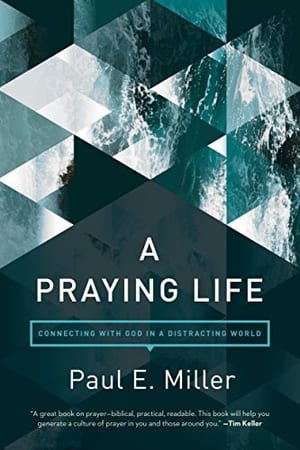
A Praying Life
Paul E. Miller
View on Amazon →
Women of the Word
Jen Wilkin
View on Amazon →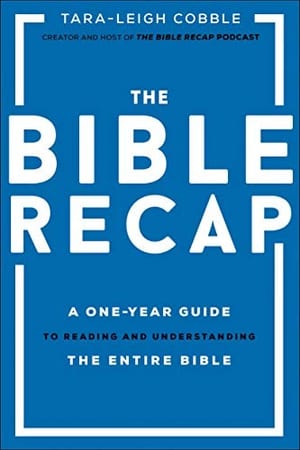
The Bible Recap
Tara-Leigh Cobble
View on Amazon →As an Amazon Associate we earn from qualifying purchases.