How to Pronounce
HomageHAH-mudzh
Hear the pronunciation of Homage
Click to play audio
Recommended Reading
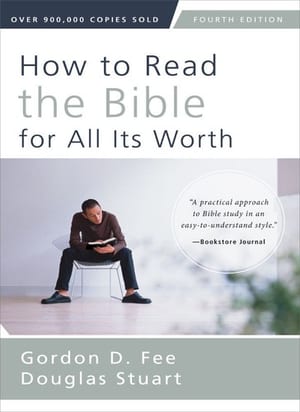
How to Read the Bible for All Its Worth
Gordon Fee & Douglas Stuart
View on Amazon →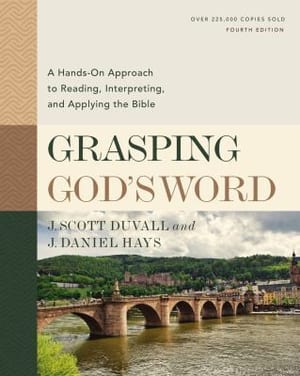
Grasping God's Word
J. Scott Duvall & J. Daniel Hays
View on Amazon →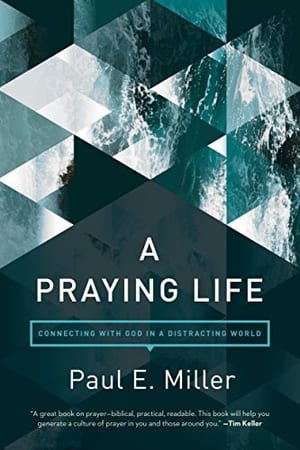
A Praying Life
Paul E. Miller
View on Amazon →
Women of the Word
Jen Wilkin
View on Amazon →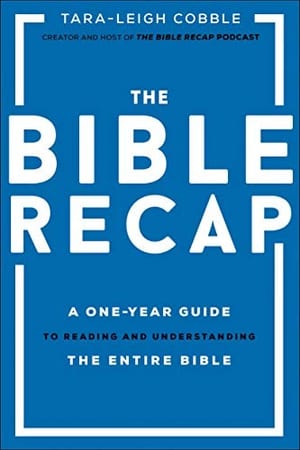
The Bible Recap
Tara-Leigh Cobble
View on Amazon →As an Amazon Associate we earn from qualifying purchases.
Pronunciation Video
Watch on YouTube →Historical Context
Homage: Paying Respect in Scripture
Homage (pronounced HAH-mudzh) carries deep biblical weight, representing far more than a simple gesture of respect. The word derives from Old French homage, which came from Latin homo, meaning "man" or "human being." In medieval and biblical contexts, homage described the formal acknowledgment of someone's authority or superiority—a public declaration of submission and loyalty.
The Language of Submission
When you're pronouncing Homage correctly, you're saying a word that biblically signifies covenant loyalty. The concept appears throughout Scripture, though the English word "homage" itself translates various Hebrew and Greek terms expressing reverence and submission. In Matthew 2:11, the Magi bring gifts and pay homage to the infant Jesus—a pivotal moment where non-Israelites recognize His kingship. This scene demonstrates homage as an act of worship and acknowledgment of divine authority.
Biblical Significance and Practice
Homage pronunciation matters when studying passages about political and spiritual authority. In 2 Samuel 8:2, David receives homage from the Moabites after military victory, establishing his dominion. Similarly, various nations bring homage to Solomon during his reign (1 Kings 4:21), illustrating how earthly rulers expected formal recognition of their power.
The practice wasn't merely ceremonial. Paying homage represented a binding commitment—vassals who pledged homage to a king accepted his protection and rule in exchange for loyalty and tribute. This mutual obligation shaped ancient Near Eastern politics and appears throughout the Old Testament's historical narratives.
Why Bible Readers Should Know This Word
Understanding homage pronunciation and its full meaning illuminates crucial biblical moments, particularly when reading about Jesus. The Magi's homage in Matthew carries theological weight—these Gentile astrologers recognized what many Israelites initially missed. Their act of homage foreshadowed Christ's universal kingship.
For pastors and teachers, grasping what homage meant in its original cultural context enriches sermon preparation and classroom discussion. When you encounter this word in Scripture, you're witnessing not casual respect but formal, binding recognition of authority and submission to a superior power.
How to Read, Study & Pray
How to Read the Bible for All Its Worth
Gordon Fee & Douglas Stuart
View on Amazon →Grasping God's Word
J. Scott Duvall & J. Daniel Hays
View on Amazon →A Praying Life
Paul E. Miller
View on Amazon →Women of the Word
Jen Wilkin
View on Amazon →The Bible Recap
Tara-Leigh Cobble
View on Amazon →As an Amazon Associate we earn from qualifying purchases.