How to Pronounce
HiviteHAI-vait
Hear the pronunciation of Hivite
Click to play audio
Old Testament Reading

The Unfolding Mystery
Edmund P. Clowney
View on Amazon →
According to Plan
Graeme Goldsworthy
View on Amazon →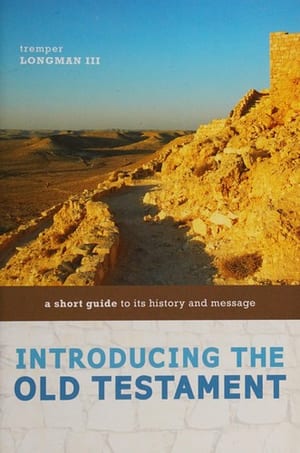
Introducing the Old Testament
Tremper Longman III
View on Amazon →
God's Big Picture
Vaughan Roberts
View on Amazon →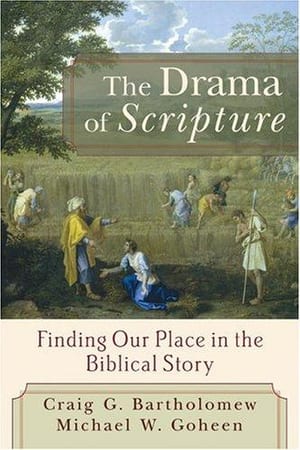
The Drama of Scripture
Bartholomew & Goheen
View on Amazon →As an Amazon Associate we earn from qualifying purchases.
Pronunciation Video
Watch on YouTube →Historical Context
Hivite Pronunciation and Biblical Identity
The correct way to pronounce Hivite is HAI-vait, with emphasis on the first syllable. When you're reading Scripture aloud or leading a Bible study, getting the Hivite pronunciation right helps you communicate clearly about one of Canaan's ancient peoples.
Etymology and Original Meaning
The name Hivite comes from Hebrew חִוִּי (Ḥiwwî), though scholars debate its exact etymological root. Some linguists connect it to a word meaning "village" or "living," suggesting the Hivites may have been village-dwellers or tent-dwellers. Others propose links to the word for "life" itself. The precise origin remains uncertain, but the name clearly identifies a distinct Canaanite ethnic group in the ancient Levant.
Where Hivites Appear in Scripture
The Hivites appear throughout the Old Testament as one of the seven Canaanite nations. They're mentioned in the Table of Nations (Genesis 10:17) and listed among the peoples Israel encountered during conquest. One of the most significant Hivite encounters occurs in Joshua 9, where the Gibeonites—identified as Hivites—deceive Joshua into making a peace treaty. This deception becomes a turning point in Israel's conquest strategy.
You'll also find Hivites referenced in Genesis 34, where Shechem the Hivite becomes entangled in the tragic story of Dinah. The 1 Kings account mentions Hivites among Solomon's forced labor conscripts (1 Kings 9:20–21).
Why This Matters for Bible Readers
Understanding the Hivites and pronouncing Hivite correctly enriches your comprehension of Israel's settlement in Canaan. These weren't merely nameless antagonists—they were a real people with their own cities, politics, and strategies. The Gibeonite deception in Joshua 9 illustrates how Israel's reliance on human wisdom rather than divine guidance led to unintended consequences. Recognizing the Hivites as genuine historical actors helps modern readers appreciate the nuanced narratives of the conquest period rather than viewing them as simplistic military accounts.
How to Read, Study & Pray

How to Read the Bible for All Its Worth
Gordon Fee & Douglas Stuart
View on Amazon →
Grasping God's Word
J. Scott Duvall & J. Daniel Hays
View on Amazon →
A Praying Life
Paul E. Miller
View on Amazon →
Women of the Word
Jen Wilkin
View on Amazon →
The Bible Recap
Tara-Leigh Cobble
View on Amazon →As an Amazon Associate we earn from qualifying purchases.