
How to Pronounce
Hezikiahheh-zih-KAI-uh
Hear the pronunciation of Hezikiah
Click to play audio
Old Testament Reading
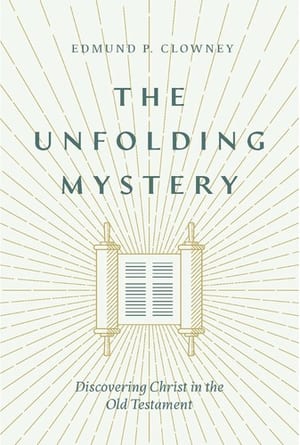
The Unfolding Mystery
Edmund P. Clowney
View on Amazon →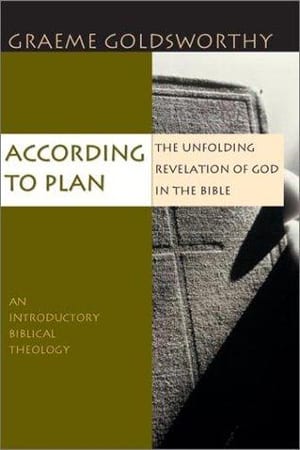
According to Plan
Graeme Goldsworthy
View on Amazon →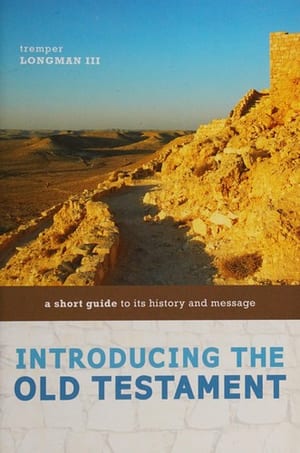
Introducing the Old Testament
Tremper Longman III
View on Amazon →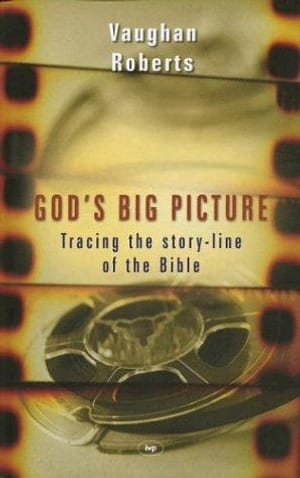
God's Big Picture
Vaughan Roberts
View on Amazon →
The Drama of Scripture
Bartholomew & Goheen
View on Amazon →As an Amazon Associate we earn from qualifying purchases.
Pronunciation Video
Watch on YouTube →Historical Context
Hezekiah: Pronouncing a King's Name Correctly
The correct way to pronounce Hezekiah is heh-zih-KAI-uh, with emphasis on the third syllable. This ancient Hebrew name appears frequently throughout the Old Testament, particularly in the books of Kings, Chronicles, and Isaiah, making proper pronunciation essential for anyone teaching or studying Scripture seriously.
Etymology and Meaning
Hezekiah derives from the Hebrew Ḥizqiyyāhu, which combines two elements: ḥazaq (meaning "to strengthen" or "to be strong") and the divine name Yah. Together, the name means "God is my strength" or "the Lord strengthens." This theological meaning perfectly captured the spiritual identity the parents hoped their son would embody.
The Most Important Hezekiah in Scripture
When pronouncing Hezekiah in a biblical context, you're most likely referring to King Hezekiah of Judah, who ruled during the late 8th century BCE. His story spans 2 Kings 18–20, 2 Chronicles 29–32, and Isaiah 36–39. Hezekiah stands as one of Judah's most faithful kings, remembered for his religious reforms and his remarkable deliverance during the Assyrian siege of Jerusalem.
Unlike many of his predecessors, Hezekiah initiated sweeping religious reforms: he reopened the Temple, cleansed it of idolatry, and restored proper worship practices. When the Assyrian army threatened Jerusalem's walls, Hezekiah's faith prompted him to seek the prophet Isaiah's counsel rather than surrender. God miraculously delivered the city, an event that profoundly shaped Israel's theology and hope.
Why Hezekiah Matters for Bible Readers
Understanding how to pronounce Hezekiah correctly matters because his reign represents a pivotal moment in Judah's history. His story demonstrates the power of repentance, religious restoration, and faith during national crisis. For pastors and teachers, pronouncing Hezekiah accurately—heh-zih-KAI-uh—ensures clarity when discussing one of Scripture's most compelling narratives of divine faithfulness and human obedience.
How to Read, Study & Pray

How to Read the Bible for All Its Worth
Gordon Fee & Douglas Stuart
View on Amazon →
Grasping God's Word
J. Scott Duvall & J. Daniel Hays
View on Amazon →
A Praying Life
Paul E. Miller
View on Amazon →
Women of the Word
Jen Wilkin
View on Amazon →
The Bible Recap
Tara-Leigh Cobble
View on Amazon →As an Amazon Associate we earn from qualifying purchases.
