How to Pronounce
HebrewsHEE-brooz
Hear the pronunciation of Hebrews
Click to play audio
Commentaries on This Book
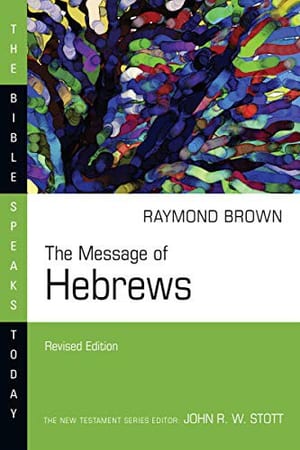
The Message of Hebrews
Raymond Brown
View on Amazon →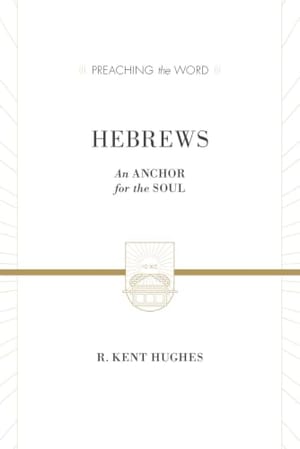
Hebrews: An Anchor for the Soul (Preaching the Word)
R. Kent Hughes
View on Amazon →
Hebrews: A Call to Commitment
William L. Lane
View on Amazon →As an Amazon Associate we earn from qualifying purchases.
Pronunciation Video
Watch on YouTube →Meaning
descendants of Heber
Historical Context
Hebrews: Etymology and Original Language
The word Hebrews comes from the Hebrew term Ivrim (עברים), which derives from Eber, a descendant of Shem in the genealogy found in Genesis 10:21-25. The root likely connects to abar, meaning "to cross over" or "to pass through," suggesting the Hebrews were originally identified as "those who cross over"—possibly referring to Abraham's crossing of the Euphrates River or their nomadic, wandering lifestyle.
Phonetic Pronunciation
When learning how to pronounce Hebrews correctly, remember: HEE-brooz. The first syllable rhymes with "free," and the second syllable sounds like "brews" (as in brewing beer). Pronouncing Hebrews accurately is especially important for public Bible reading and teaching.
Biblical Significance and Scripture
The term "Hebrews" appears throughout Scripture to identify the descendants of Abraham, Isaac, and Jacob—God's covenant people. In Genesis 14:13, Abraham is first called a "Hebrew." The word becomes more prevalent in later books, particularly in Exodus, where it describes the enslaved people in Egypt (Exodus 1:15-16, 3:18).
One of the most significant biblical uses comes in the New Testament epistle of Hebrews, which was likely written to Jewish believers to demonstrate how Jesus Christ fulfilled Old Testament prophecy and law. The entire book addresses its audience as those with deep Hebrew religious tradition and understanding.
Why This Matters for Bible Readers
Understanding the Hebrews pronunciation and meaning enriches your Bible study in several ways. The term reflects both ethnic identity and covenant relationship with God. When you encounter it in Scripture, you're reading about a people chosen for a specific divine purpose. The Hebrews pronunciation guide helps you communicate clearly in study groups, churches, and educational settings.
Knowing that "Hebrews" fundamentally means "those who cross over" adds spiritual depth—it reminds readers that the biblical narrative centers on a people perpetually crossing boundaries: leaving Ur, crossing the Red Sea, crossing the Jordan River, and ultimately crossing from the Old Covenant into the New through Christ.
How to Read, Study & Pray

How to Read the Bible for All Its Worth
Gordon Fee & Douglas Stuart
View on Amazon →
Grasping God's Word
J. Scott Duvall & J. Daniel Hays
View on Amazon →
A Praying Life
Paul E. Miller
View on Amazon →
Women of the Word
Jen Wilkin
View on Amazon →
The Bible Recap
Tara-Leigh Cobble
View on Amazon →As an Amazon Associate we earn from qualifying purchases.