How to Pronounce
DiademDAI-uh-dehm
Hear the pronunciation of Diadem
Click to play audio
New Testament Reading

Introducing Jesus
Mark L. Strauss
View on Amazon →
Basic Christianity
John Stott
View on Amazon →
The King Jesus Gospel
Scot McKnight
View on Amazon →
Reading the Gospels Wisely
Jonathan T. Pennington
View on Amazon →
The Jesus I Never Knew
Philip Yancey
View on Amazon →As an Amazon Associate we earn from qualifying purchases.
Pronunciation Video
Watch on YouTube →Historical Context
Diadem: Royal Crown and Symbol of Authority
The word diadem carries weight in Scripture—both literally and symbolically. Understanding how to pronounce Diadem correctly (DAI-uh-dehm) is the first step; grasping its biblical significance is the deeper reward.
Etymology and Original Meaning
Diadem comes from the Greek word diadema, which originally referred to a band or fillet wrapped around the head as a sign of royal authority. Unlike a crown with points or ornamental peaks, a diadem was typically a simple ribbon or band of cloth, often adorned with jewels or gold. The term literally means "to bind around," emphasizing the circular nature of authority itself—power that encompasses and holds.
Biblical Occurrences and Symbolism
The word appears sparingly but meaningfully in the New Testament. In Revelation 12:3 and 13:1, diadems appear on the heads of the dragon and the beast, representing their claimed dominion. More significantly, in Revelation 19:12, Christ himself wears many diadems—a striking image of ultimate, universal authority surpassing all earthly and demonic powers.
The diadem also surfaces in descriptions of earthly rulers. In the Gospels and Acts, when Scripture discusses Herod or other kings, the diadem symbolizes their position within human hierarchies. This makes pronouncing Diadem correctly important for Bible teachers explaining royal imagery and power structures in ancient texts.
Why This Matters for Bible Readers
When you encounter diadem in your Bible reading, you're looking at more than jewelry. The image communicates legitimacy, sovereignty, and divine appointment. Whether adorning Christ, earthly monarchs, or demonic powers, the diadem raises a crucial question: Who truly holds authority?
For pastors and teachers, pronouncing Diadem correctly while explaining these passages helps convey the weight of what Scripture is communicating about power, dominion, and Christ's supremacy. The simple band becomes a theological statement—and understanding its meaning enriches every encounter with it in Scripture.
How to Read, Study & Pray

How to Read the Bible for All Its Worth
Gordon Fee & Douglas Stuart
View on Amazon →
Grasping God's Word
J. Scott Duvall & J. Daniel Hays
View on Amazon →
A Praying Life
Paul E. Miller
View on Amazon →
Women of the Word
Jen Wilkin
View on Amazon →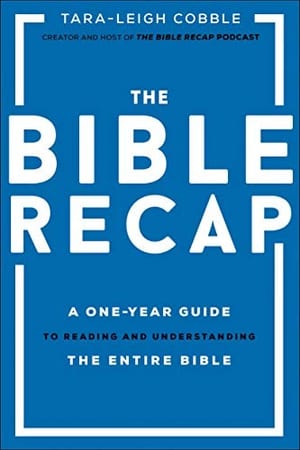
The Bible Recap
Tara-Leigh Cobble
View on Amazon →As an Amazon Associate we earn from qualifying purchases.