How to Pronounce
Damascusduh-MAS-kuhs
Hear the pronunciation of Damascus
Click to play audio
New Testament Reading
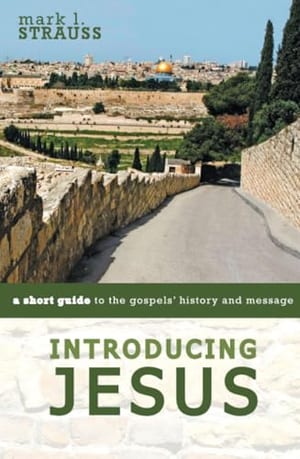
Introducing Jesus
Mark L. Strauss
View on Amazon →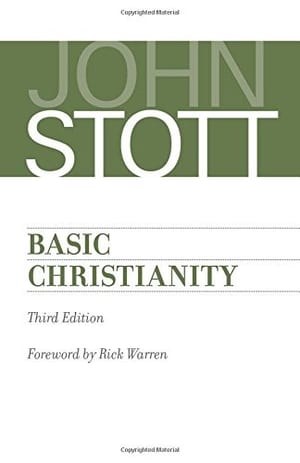
Basic Christianity
John Stott
View on Amazon →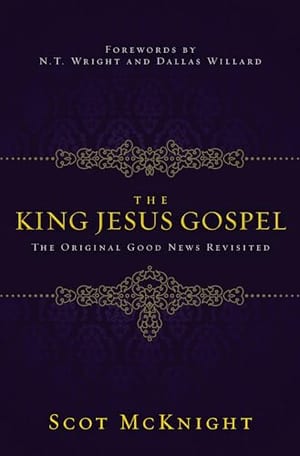
The King Jesus Gospel
Scot McKnight
View on Amazon →
Reading the Gospels Wisely
Jonathan T. Pennington
View on Amazon →
The Jesus I Never Knew
Philip Yancey
View on Amazon →As an Amazon Associate we earn from qualifying purchases.
Pronunciation Video
Watch on YouTube →Meaning
a sack full of blood; the similitude of burning
Historical Context
Damascus: Ancient City of Blood and Fire
The name Damascus carries weight in both history and Scripture. Understanding how to pronounce Damascus correctly—duh-MAS-kuhs—is the first step toward appreciating this significant biblical location. The word itself derives from Semitic roots meaning "a sack full of blood" or "the similitude of burning," imagery that reflects both the city's violent history and its spiritual significance in biblical narrative.
Etymology and Original Meaning
Damascus appears in ancient Aramaic and Hebrew texts, where its etymology points to concepts of bloodshed and fire. This symbolic naming likely reflects the city's strategic position as a crossroads of ancient trade routes—a place where conflict and commerce intersected. Pronouncing Damascus correctly helps Bible readers connect the phonetic sound to these deeper layers of meaning embedded in the name itself.
Biblical Significance
Damascus holds crucial importance throughout Scripture. The city appears prominently in Paul's conversion account in Acts 9, where Ananias receives a vision to meet the formerly persecuting Saul. This transformative encounter—occurring on the Damascus road—marks one of Christianity's most pivotal moments. The city also features in Old Testament prophecies, particularly in Isaiah 17, where judgment against Damascus is pronounced.
Beyond Acts and Isaiah, Damascus appears in 2 Kings, 2 Chronicles, and Jeremiah, consistently portrayed as a center of political power and spiritual consequence. For Bible students, Damascus pronunciation matters because this city anchors major theological turning points—particularly Paul's dramatic conversion from persecutor to apostle.
Why This Matters for Bible Readers
Knowing the Damascus pronunciation and understanding its etymological roots enriches biblical study. The imagery of blood and fire embedded in the name foreshadows the spiritual violence of persecution that Paul both inflicted and then overcame. When reading about Damascus in your Bible, the name's deeper meaning—sack of blood, similitude of burning—resonates with the transformative, sometimes violent spiritual encounters that occurred there.
Whether you're preparing a sermon, teaching a Bible class, or simply studying Scripture personally, pronouncing Damascus correctly and grasping its symbolic weight deepens your engagement with God's Word.
How to Read, Study & Pray

How to Read the Bible for All Its Worth
Gordon Fee & Douglas Stuart
View on Amazon →
Grasping God's Word
J. Scott Duvall & J. Daniel Hays
View on Amazon →
A Praying Life
Paul E. Miller
View on Amazon →
Women of the Word
Jen Wilkin
View on Amazon →
The Bible Recap
Tara-Leigh Cobble
View on Amazon →As an Amazon Associate we earn from qualifying purchases.