How to Pronounce
Deuteronomydyoo-ter-AH-num-mee
Hear the pronunciation of Deuteronomy
Click to play audio
Commentaries on This Book
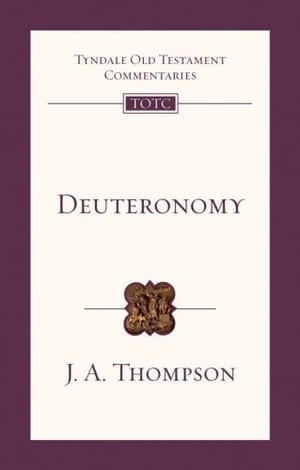
Deuteronomy (Tyndale Old Testament Commentaries)
J. A. Thompson
View on Amazon →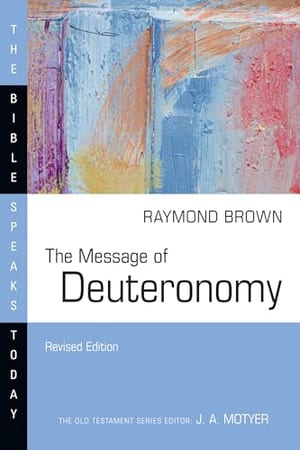
The Message of Deuteronomy
Raymond Brown
View on Amazon →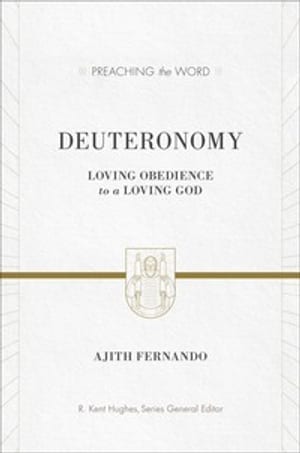
Deuteronomy: Loving Obedience to a Loving God (Preaching the Word)
Ajith Fernando
View on Amazon →As an Amazon Associate we earn from qualifying purchases.
Pronunciation Video
Watch on YouTube →Meaning
repetition of the law
Historical Context
Deuteronomy: The Book of Repetition
The fifth book of the Bible carries a name that tells you exactly what it contains. Deuteronomy comes from two Greek words: deuteros (second) and nomos (law). Together, they mean "the second law" or more accurately, "repetition of the law." Understanding this etymology is essential for grasping why Moses repeats so much material in this final book of the Torah.
How to Pronounce Deuteronomy Correctly
When pronouncing Deuteronomy, divide it into five syllables: dyoo-ter-AH-num-mee. The stress falls on the third syllable, with the "AH" sound. Many English speakers stumble on this word, but once you break it into chunks, pronouncing Deuteronomy correctly becomes straightforward. Pastors and Bible teachers often refer to it simply as "Deuteronomy" or "Deut." in shorthand.
Biblical Significance and Location
Deuteronomy appears as the fifth and final book of the Pentateuch (the first five books of the Hebrew Bible). It spans 34 chapters and consists largely of Moses' farewell address to Israel before they enter the Promised Land. The book opens in Deuteronomy 1:1 with Moses speaking to the Israelites in the wilderness east of the Jordan River.
Rather than presenting entirely new laws, Deuteronomy rehearses the commandments, statutes, and judgments already given at Mount Sinai. Moses reiterates the Ten Commandments (Deuteronomy 5), reviews Israel's wilderness journey, and emphasizes the importance of covenant obedience. The book culminates with Moses' blessing on the tribes and his death on Mount Nebo (Deuteronomy 34).
Why Deuteronomy Matters
For Bible readers, Deuteronomy pronunciation is less important than understanding its theological weight. This book emphasizes the heart of obedience—not mere external compliance with rules, but love for God as the motivation for keeping His law. The famous Shema prayer ("Hear, O Israel: The Lord our God, the Lord is one") appears in Deuteronomy 6:4.
Jesus himself quoted Deuteronomy more than any other biblical book when responding to Satan's temptations (Matthew 4). This makes Deuteronomy essential reading for understanding both Old Testament faith and New Testament teaching.
How to Read, Study & Pray
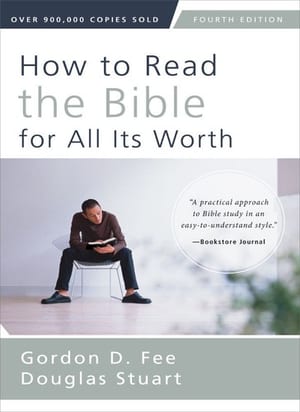
How to Read the Bible for All Its Worth
Gordon Fee & Douglas Stuart
View on Amazon →
Grasping God's Word
J. Scott Duvall & J. Daniel Hays
View on Amazon →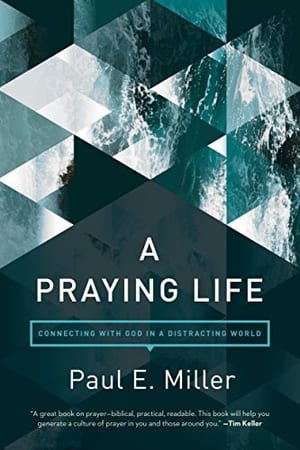
A Praying Life
Paul E. Miller
View on Amazon →
Women of the Word
Jen Wilkin
View on Amazon →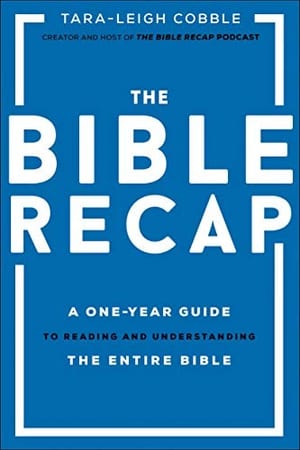
The Bible Recap
Tara-Leigh Cobble
View on Amazon →As an Amazon Associate we earn from qualifying purchases.