How to Pronounce
CrispusKRIHS-puhs
Hear the pronunciation of Crispus
Click to play audio
New Testament Reading
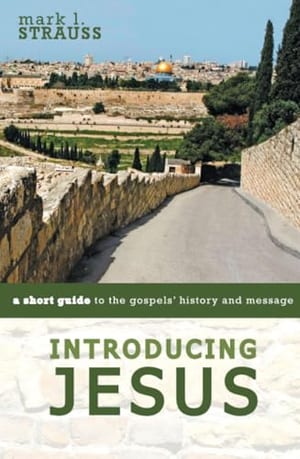
Introducing Jesus
Mark L. Strauss
View on Amazon →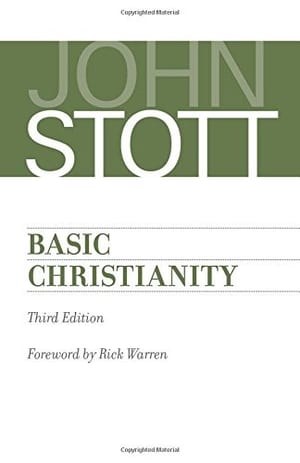
Basic Christianity
John Stott
View on Amazon →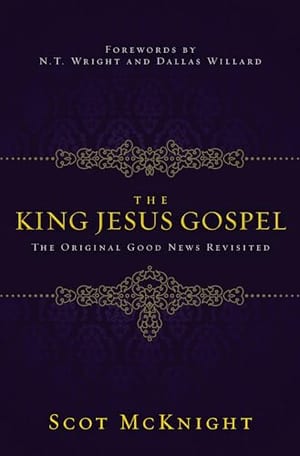
The King Jesus Gospel
Scot McKnight
View on Amazon →
Reading the Gospels Wisely
Jonathan T. Pennington
View on Amazon →
The Jesus I Never Knew
Philip Yancey
View on Amazon →As an Amazon Associate we earn from qualifying purchases.
Pronunciation Video
Watch on YouTube →Meaning
curled
Historical Context
Crispus: A Roman Name in Early Christian History
Crispus derives from the Latin word crispus, meaning "curled" or "having curled hair." While this physical descriptor may seem mundane, the name carried weight in Roman culture and appears in one of the New Testament's most significant conversion accounts. Understanding how to pronounce Crispus correctly—KRIHS-puhs—helps readers connect with this lesser-known but theologically important figure.
Who Was Crispus in the Bible?
Crispus appears in Acts 18:8 and 1 Corinthians 1:14, where he's identified as the ruler of the synagogue in Corinth. This was no minor position. As a synagogue ruler, Crispus held authority over worship services, maintained the building, and represented Jewish interests in a major Roman port city. His conversion to Christianity during Paul's second missionary journey (around AD 50–52) marked a pivotal moment for the early church.
When Paul came to Corinth and began preaching Jesus in the synagogue, Crispus became a believer along with his entire household. Paul himself baptized Crispus—a detail he specifically mentions in 1 Corinthians 1:14, suggesting the significance of this conversion. Pronouncing Crispus correctly in your Bible study allows you to recognize him when his name appears across multiple passages.
Why This Matters for Bible Readers
Crispus's conversion held tremendous symbolic weight. A Jewish religious leader embracing the Christian message validated Paul's preaching and created immediate credibility within the Jewish community. His household conversion demonstrates the ripple effect of one person's faith decision—a pattern repeated throughout Acts.
The Crispus pronunciation (KRIHS-puhs) may be straightforward, but his story illustrates a profound truth: God's kingdom transcends social status, religious position, and cultural boundaries. A man named for his curled hair became memorable for his transformed heart, proving that anyone—regardless of their earthly authority or background—can encounter the risen Christ and be forever changed.
How to Read, Study & Pray
How to Read the Bible for All Its Worth
Gordon Fee & Douglas Stuart
View on Amazon →
Grasping God's Word
J. Scott Duvall & J. Daniel Hays
View on Amazon →
A Praying Life
Paul E. Miller
View on Amazon →
Women of the Word
Jen Wilkin
View on Amazon →
The Bible Recap
Tara-Leigh Cobble
View on Amazon →As an Amazon Associate we earn from qualifying purchases.