How to Pronounce
CaiaphasKAY-uh-fuhs
Hear the pronunciation of Caiaphas
Click to play audio
New Testament Reading

Introducing Jesus
Mark L. Strauss
View on Amazon →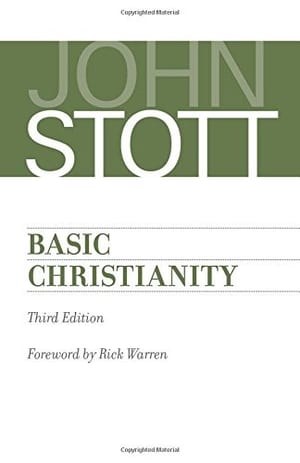
Basic Christianity
John Stott
View on Amazon →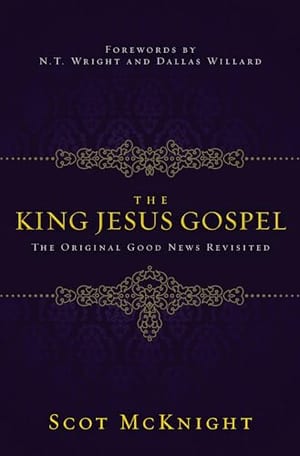
The King Jesus Gospel
Scot McKnight
View on Amazon →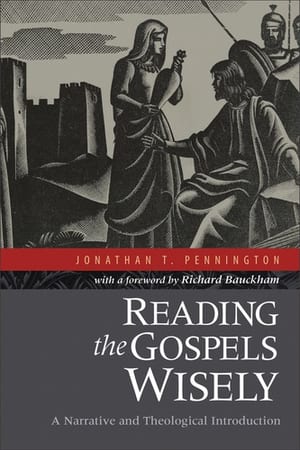
Reading the Gospels Wisely
Jonathan T. Pennington
View on Amazon →
The Jesus I Never Knew
Philip Yancey
View on Amazon →As an Amazon Associate we earn from qualifying purchases.
Pronunciation Video
Watch on YouTube →Historical Context
Caiaphas: The High Priest Who Condemned Jesus
How to pronounce Caiaphas: KAY-uh-fuhs
The name Caiaphas comes from Aramaic origins, though its exact etymology remains debated among scholars. Some linguists suggest it may derive from the Hebrew word qof (hollow) or relate to a variant of Joseph. What we know with certainty is that Caiaphas was the high priest of Jerusalem during the trial and crucifixion of Jesus Christ, making him one of the most pivotal—and controversial—figures in the Gospels.
Where Caiaphas Appears in Scripture
The Gospels mention Caiaphas by name in Matthew 26:3, 26:57, and John 11:49, 18:13–14, and 18:24. He also appears indirectly in Mark 14:53 and Luke 22:54. Most significantly, he presided over the Jewish council (the Sanhedrin) that interrogated Jesus and determined He blasphemed by claiming to be the Son of God. According to Matthew and Mark, it was Caiaphas who tore his garments in response to Jesus's words—a dramatic gesture signifying his shock and condemnation.
Why Pronouncing Caiaphas Correctly Matters
For pastors, teachers, and Bible students, pronouncing Caiaphas correctly—KAY-uh-fuhs—ensures clear communication when discussing the Passion narrative. Mispronouncing biblical names can undermine credibility in teaching contexts and confuse listeners following along in their Bibles.
His Role in Biblical History
Caiaphas served as high priest from approximately 18 to 36 CE, making him a powerful religious and political authority. His actions during Jesus's trial reveal the tension between Jewish religious law and Roman occupation. He ultimately handed Jesus over to Pontius Pilate for execution, a decision that shaped Christian history forever.
Understanding who Caiaphas was—and pronouncing his name with confidence—helps readers grasp the institutional opposition Jesus faced. He wasn't merely a minor character; he was the religious establishment's chief representative in rejecting Christ's claims.
How to Read, Study & Pray

How to Read the Bible for All Its Worth
Gordon Fee & Douglas Stuart
View on Amazon →
Grasping God's Word
J. Scott Duvall & J. Daniel Hays
View on Amazon →
A Praying Life
Paul E. Miller
View on Amazon →
Women of the Word
Jen Wilkin
View on Amazon →
The Bible Recap
Tara-Leigh Cobble
View on Amazon →As an Amazon Associate we earn from qualifying purchases.