How to Pronounce
CounselorKAUN-seh-ler
Hear the pronunciation of Counselor
Click to play audio
New Testament Reading

Introducing Jesus
Mark L. Strauss
View on Amazon →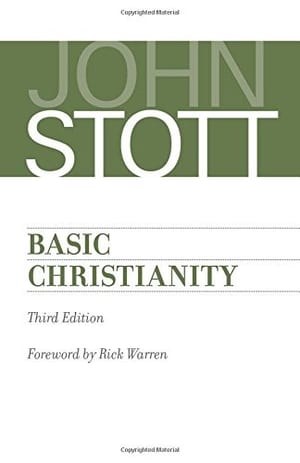
Basic Christianity
John Stott
View on Amazon →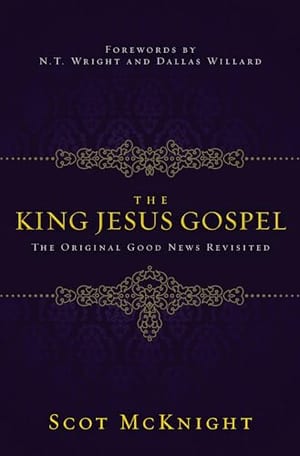
The King Jesus Gospel
Scot McKnight
View on Amazon →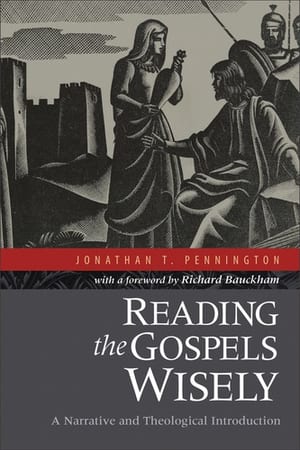
Reading the Gospels Wisely
Jonathan T. Pennington
View on Amazon →
The Jesus I Never Knew
Philip Yancey
View on Amazon →As an Amazon Associate we earn from qualifying purchases.
Pronunciation Video
Watch on YouTube →Historical Context
Counselor: A Name of Comfort and Guidance
The English word "Counselor" carries weight in biblical tradition, particularly when applied to the Holy Spirit. But understanding how to pronounce Counselor correctly—KAUN-seh-ler—is just the beginning. The real value lies in grasping what this title meant to the original biblical writers and communities.
Origin and Original Language
The term "Counselor" most famously translates the Greek word parakletos (παράκλητος), appearing prominently in the Gospel of John. The word combines two Greek roots: para (beside) and kletos (called). Literally, it describes someone "called to stand beside" another—an advocate, helper, or intercessor. When pronouncing Counselor correctly in its biblical context, you're essentially naming a figure who stands with you in your need.
Biblical Significance and Scripture
Jesus uses "Counselor" to describe the Holy Spirit in John's Gospel, particularly in chapters 14–16. In John 14:26, Jesus promises: "The Counselor, the Holy Spirit, whom the Father will send in my name, will teach you all things." This designation appears four times in John's account, establishing the Spirit's role as teacher, reminder, and advocate for believers.
The term also reflects Old Testament imagery. In Isaiah 9:6, the Messiah himself is called "Wonderful Counselor," emphasizing Jesus's role as guide and wisdom-giver. These connections reveal that Counselor pronunciation matters less than understanding the relational promise embedded in the word itself.
Why This Matters for Bible Readers
Recognizing "Counselor" as more than a job title helps readers grasp the intimacy of biblical faith. It's not about distant advice but active, present support. When pastors and teachers pronounce this word with understanding, they convey to their congregations that the Holy Spirit isn't merely a theological concept—it's a personal presence offering guidance, comfort, and advocacy.
For Bible students diving deeper, knowing the Greek foundation transforms how you read John's Gospel. The Counselor doesn't judge from afar; the Counselor stands beside you, called specifically to your aid.
How to Read, Study & Pray

How to Read the Bible for All Its Worth
Gordon Fee & Douglas Stuart
View on Amazon →
Grasping God's Word
J. Scott Duvall & J. Daniel Hays
View on Amazon →
A Praying Life
Paul E. Miller
View on Amazon →
Women of the Word
Jen Wilkin
View on Amazon →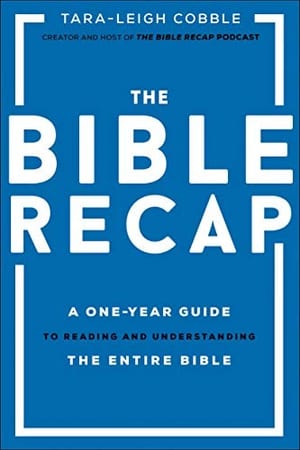
The Bible Recap
Tara-Leigh Cobble
View on Amazon →As an Amazon Associate we earn from qualifying purchases.