How to Pronounce
Corneliuskawr-NEE-lee-uhs
Hear the pronunciation of Cornelius
Click to play audio
New Testament Reading
Introducing Jesus
Mark L. Strauss
View on Amazon →
Basic Christianity
John Stott
View on Amazon →
The King Jesus Gospel
Scot McKnight
View on Amazon →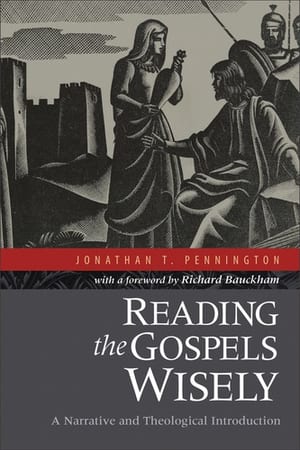
Reading the Gospels Wisely
Jonathan T. Pennington
View on Amazon →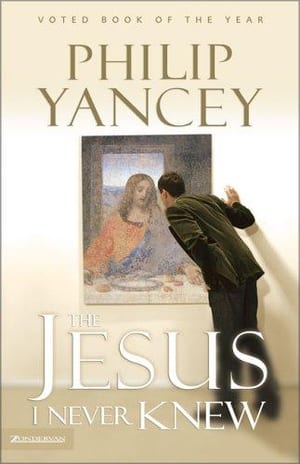
The Jesus I Never Knew
Philip Yancey
View on Amazon →As an Amazon Associate we earn from qualifying purchases.
Pronunciation Video
Watch on YouTube →Meaning
of a horn
Historical Context
Cornelius: Pronunciation and Meaning
The name Cornelius (pronounced kawr-NEE-lee-uhs) carries both Latin and biblical weight. It derives from the Latin word cornu, meaning "horn"—a symbol of strength and dignity in ancient cultures. While the etymology points to physical power, the biblical Cornelius embodies spiritual transformation.
Who Was Cornelius in Scripture?
Cornelius appears prominently in the Acts of the Apostles, specifically in Acts 10. He was a Roman centurion stationed in Caesarea, described as a devout man who feared God and gave generously to the poor. His story marks a pivotal moment in early Christian history: he became the first documented Gentile convert to Christianity, breaking the cultural and religious barriers that had previously separated Jews from non-Jews in the faith.
The Significance of His Conversion
Understanding how to pronounce Cornelius correctly matters when studying this transformative narrative. Peter, initially reluctant to associate with a pagan Roman, received a divine vision instructing him to visit Cornelius. When Peter arrived at his home and preached the gospel, the Holy Spirit fell upon everyone present—demonstrating that salvation was available to Gentiles, not exclusively to Jews. This event shattered existing assumptions about God's inclusive grace.
Cornelius pronunciation (kawr-NEE-lee-uhs) becomes important for Bible teachers explaining this watershed moment in Acts. The centurion's openness to spiritual truth, despite his pagan background, contrasts sharply with the prejudices of Jewish believers at the time. His conversion validated the universal scope of Christ's redemption.
Why Cornelius Matters Today
For modern Bible readers and students, Cornelius represents the demolition of spiritual exclusivity. His story answers a crucial question: Does God limit His grace to those born into particular traditions or communities? The answer, demonstrated through Cornelius's experience, is an emphatic no. His name—rooted in strength and power—ultimately reflects the power of divine grace to transform anyone who seeks God genuinely, regardless of their ethnic or religious background.
How to Read, Study & Pray
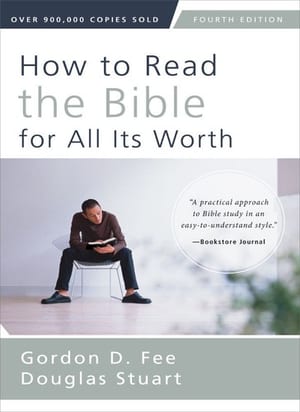
How to Read the Bible for All Its Worth
Gordon Fee & Douglas Stuart
View on Amazon →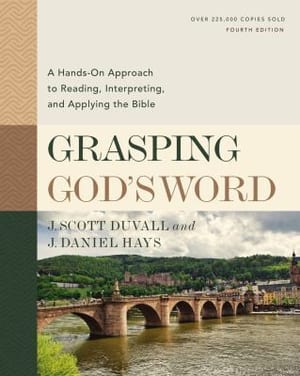
Grasping God's Word
J. Scott Duvall & J. Daniel Hays
View on Amazon →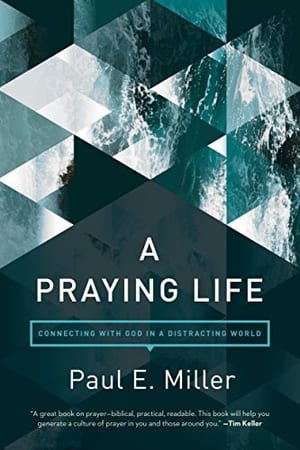
A Praying Life
Paul E. Miller
View on Amazon →
Women of the Word
Jen Wilkin
View on Amazon →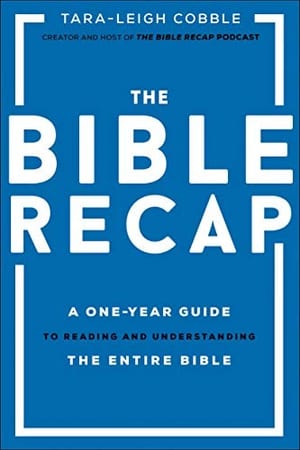
The Bible Recap
Tara-Leigh Cobble
View on Amazon →As an Amazon Associate we earn from qualifying purchases.