How to Pronounce
Corinthiankawr-IHN-thee-uhn
Hear the pronunciation of Corinthian
Click to play audio
New Testament Reading
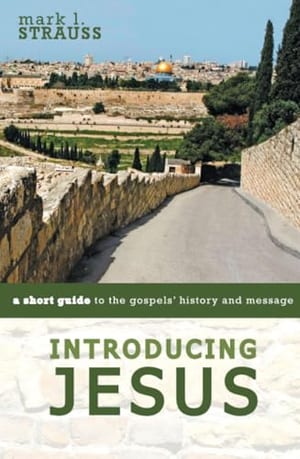
Introducing Jesus
Mark L. Strauss
View on Amazon →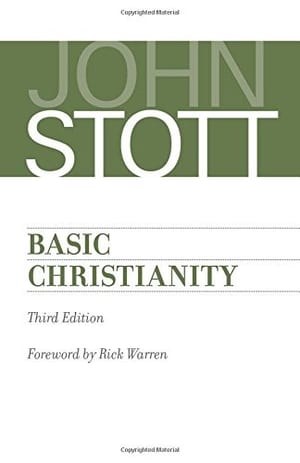
Basic Christianity
John Stott
View on Amazon →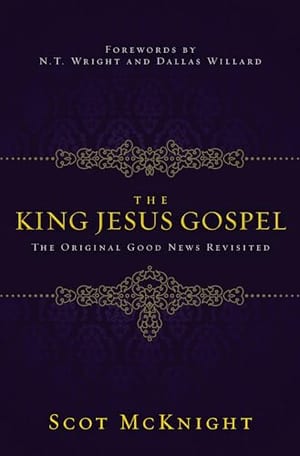
The King Jesus Gospel
Scot McKnight
View on Amazon →
Reading the Gospels Wisely
Jonathan T. Pennington
View on Amazon →
The Jesus I Never Knew
Philip Yancey
View on Amazon →As an Amazon Associate we earn from qualifying purchases.
Pronunciation Video
Watch on YouTube →Historical Context
Corinthian: Etymology and Pronunciation
The word Corinthian (pronounced kawr-IHN-thee-uhn) comes from the ancient Greek city of Corinth, one of the most prominent commercial and cultural centers of the classical world. When learning how to pronounce Corinthian correctly, remember to stress the second syllable: ko-RIN-thee-un. The term itself is an English derivation of the Greek Korinthios, which simply means "of or from Corinth."
Biblical Significance and Scripture References
In the New Testament, "Corinthian" primarily refers to the people and church at Corinth. The apostle Paul wrote two epistles to this congregation—1 Corinthians and 2 Corinthians—making it one of the most thoroughly documented churches in Scripture. Paul's letters address specific problems within the Corinthian church, including divisions, sexual immorality, lawsuits among believers, and confusion about spiritual gifts.
The city itself appears in Acts 18:1, where Paul first arrives and meets Aquila and Priscilla. Corinthian pronunciation becomes relevant when studying these passages, as understanding the cultural context of Corinthian believers enhances comprehension of Paul's corrective teachings.
Why This Matters for Bible Readers
The Corinthian letters contain some of Scripture's most beloved passages, including Paul's hymn to love (1 Corinthians 13) and his teaching on the resurrection (1 Corinthians 15). The problems Paul addresses—pride, worldliness, and spiritual immaturity—remain relevant to modern churches. Pronouncing Corinthian correctly helps pastors and teachers communicate clearly when discussing these foundational biblical texts.
Corinth was also known in the ancient world for luxury and excess, which provides important context for Paul's warnings to the Corinthian believers about worldly living. Understanding this cultural backdrop enriches biblical interpretation and shows why Paul's exhortations were so necessary.
Whether you're preparing a sermon, leading a Bible study, or simply reading through Paul's epistles, knowing how to pronounce Corinthian and grasping its historical significance deepens your engagement with these transformative biblical writings.
How to Read, Study & Pray

How to Read the Bible for All Its Worth
Gordon Fee & Douglas Stuart
View on Amazon →
Grasping God's Word
J. Scott Duvall & J. Daniel Hays
View on Amazon →
A Praying Life
Paul E. Miller
View on Amazon →
Women of the Word
Jen Wilkin
View on Amazon →
The Bible Recap
Tara-Leigh Cobble
View on Amazon →As an Amazon Associate we earn from qualifying purchases.