
How to Pronounce
Corianderkawr-ee-AN-der
Hear the pronunciation of Coriander
Click to play audio
Old Testament Reading

The Unfolding Mystery
Edmund P. Clowney
View on Amazon →
According to Plan
Graeme Goldsworthy
View on Amazon →
Introducing the Old Testament
Tremper Longman III
View on Amazon →
God's Big Picture
Vaughan Roberts
View on Amazon →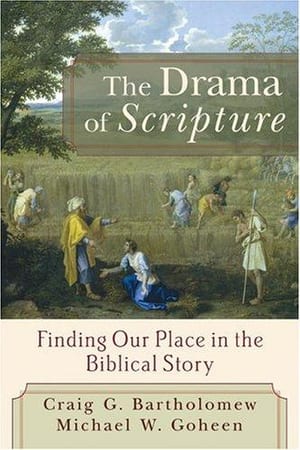
The Drama of Scripture
Bartholomew & Goheen
View on Amazon →As an Amazon Associate we earn from qualifying purchases.
Pronunciation Video
Watch on YouTube →Historical Context
Coriander: A Spice of Biblical Significance
Coriander appears only twice in Scripture, yet its presence carries rich symbolic weight. The word comes from the Hebrew gad (גד), derived from the root meaning "to cut" or "to divide"—referring to the plant's segmented seeds. Understanding how to pronounce Coriander correctly—KOR-ee-AN-der—helps readers connect with the sensory world of biblical texts.
Where Coriander Appears in Scripture
Coriander is mentioned in Exodus 16:31 and Numbers 11:7, both passages describing the manna God provided to Israel in the wilderness. In Exodus, the text states that manna "was like coriander seed, white" (KJV). This comparison wasn't merely descriptive—it was meant to help Israelites visualize something entirely unfamiliar by anchoring it to a known spice.
The second reference in Numbers elaborates: "The manna was as coriander seed, and the colour thereof as the colour of bdellium" (KJV). Here, coriander's pale, round appearance serves as the primary point of comparison, emphasizing how extraordinary yet tangible God's provision truly was.
Why This Matters for Bible Readers
Pronouncing Coriander correctly opens a window into ancient Israelite daily life. Coriander was a common spice in the ancient Near East, used in cooking, medicine, and religious contexts. By recognizing coriander pronunciation and understanding what the plant actually looked like, readers grasp the intended impact of these passages more fully.
The manna comparison reveals something profound: God didn't give His people something alien or incomprehensible. Instead, He provided sustenance that could be understood and appreciated through familiar reference points. The humble coriander seed—small, pale, and ordinary—becomes a vessel for expressing the extraordinary faithfulness of God.
The Takeaway
When you encounter coriander in your Bible reading, pause to consider its role as a bridge between the divine and the everyday. Pronouncing biblical plant names with accuracy helps us inhabit the scriptural narrative more authentically and appreciate the specific choices ancient writers made in describing God's acts.
How to Read, Study & Pray

How to Read the Bible for All Its Worth
Gordon Fee & Douglas Stuart
View on Amazon →
Grasping God's Word
J. Scott Duvall & J. Daniel Hays
View on Amazon →
A Praying Life
Paul E. Miller
View on Amazon →
Women of the Word
Jen Wilkin
View on Amazon →
The Bible Recap
Tara-Leigh Cobble
View on Amazon →As an Amazon Associate we earn from qualifying purchases.
