How to Pronounce
Colossianskuh-LAH-shihnz
Hear the pronunciation of Colossians
Click to play audio
Commentaries on This Book
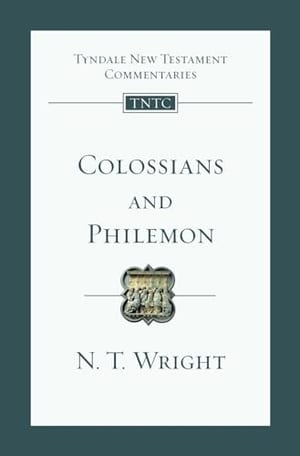
Colossians and Philemon (Tyndale New Testament Commentaries)
N. T. Wright
View on Amazon →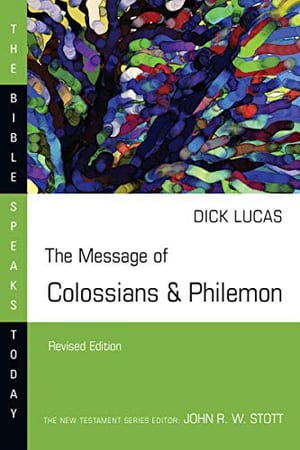
The Message of Colossians & Philemon
Dick Lucas
View on Amazon →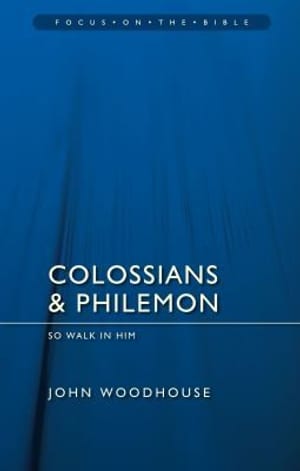
Colossians & Philemon: So Walk In Him
John Woodhouse
View on Amazon →As an Amazon Associate we earn from qualifying purchases.
Pronunciation Video
Watch on YouTube →Historical Context
Colossians: Pronunciation and Biblical Significance
How to pronounce Colossians: kuh-LAH-shihnz
The word "Colossians" refers to the people of Colossae, an ancient city located in the Phrygian region of Asia Minor (modern-day Turkey). The term derives from the Greek Kolossaí (Κολοσσαί), which identified the inhabitants of this important trade center situated in the Lycus River valley. Understanding Colossians pronunciation matters because this book remains one of Paul's most theologically rich epistles, and readers benefit from recognizing its geographical and cultural roots.
Where Colossians Appears in Scripture
Colossians is the twelfth book of the New Testament and comprises four chapters. Paul wrote this epistle to the church at Colossae, likely while imprisoned in Rome around AD 60–62. The letter addresses a community Paul had never personally visited, yet one deeply concerned with maintaining doctrinal purity against false teachings that threatened to undermine Christ's supremacy.
Why This Book Matters
The epistle's central theme—the preeminence of Christ—pulses through every chapter. Paul emphasizes that Jesus is "the image of the invisible God" (Colossians 1:15) and that "all things were created through him and for him" (1:16). This declaration positioned the Colossian church against Gnostic and ascetic heresies that sought to diminish Christ's cosmic authority.
For modern Bible readers and teachers, pronouncing Colossians correctly signals familiarity and respect for the text. When pastors teach from this book or when students encounter references to Colossians pronunciation in study materials, accurate articulation reinforces credibility and aids comprehension.
Practical Application
The book's practical sections—particularly chapters 3 and 4—offer timeless guidance on Christian living, family relationships, and workplace conduct. Its emphasis on Christ's sufficiency continues to challenge believers to resist cultural compromises and maintain singular devotion to Jesus as Lord. Whether you're teaching a Bible study or preparing a sermon, understanding the historical context and correctly pronouncing Colossians enriches your presentation and deepens engagement with Paul's profound theological vision.
How to Read, Study & Pray
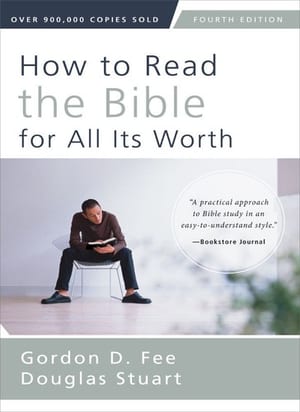
How to Read the Bible for All Its Worth
Gordon Fee & Douglas Stuart
View on Amazon →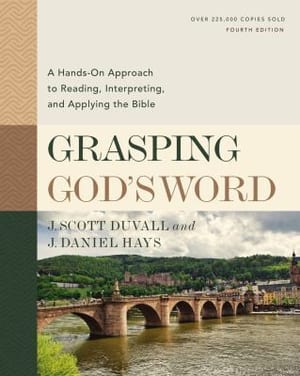
Grasping God's Word
J. Scott Duvall & J. Daniel Hays
View on Amazon →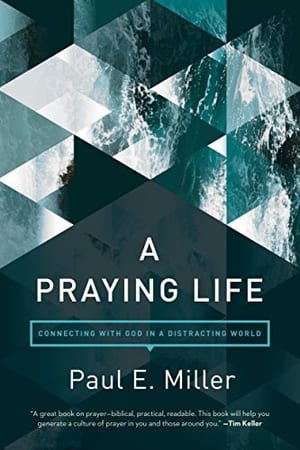
A Praying Life
Paul E. Miller
View on Amazon →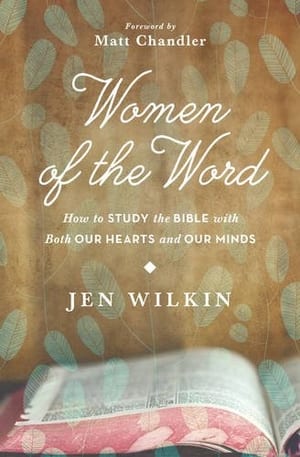
Women of the Word
Jen Wilkin
View on Amazon →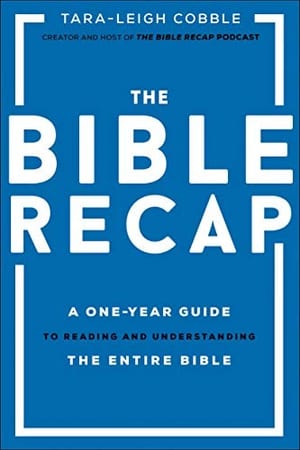
The Bible Recap
Tara-Leigh Cobble
View on Amazon →As an Amazon Associate we earn from qualifying purchases.