How to Pronounce
ChilionKIHL-ee-ahn
Hear the pronunciation of Chilion
Click to play audio
Recommended Reading

How to Read the Bible for All Its Worth
Gordon Fee & Douglas Stuart
View on Amazon →
Grasping God's Word
J. Scott Duvall & J. Daniel Hays
View on Amazon →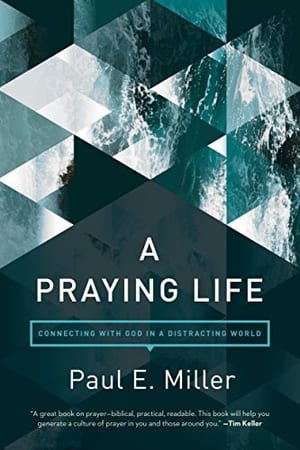
A Praying Life
Paul E. Miller
View on Amazon →
Women of the Word
Jen Wilkin
View on Amazon →
The Bible Recap
Tara-Leigh Cobble
View on Amazon →As an Amazon Associate we earn from qualifying purchases.
Pronunciation Video
Watch on YouTube →Meaning
finished; complete; perfect
Historical Context
Chilion: A Name Rooted in Completion
The name Chilion carries profound theological weight in Scripture, though it appears only briefly in the biblical record. Understanding how to pronounce Chilion correctly—KIHL-ee-ahn—is the first step toward grasping its deeper significance in the narrative of Ruth.
Etymology and Original Language
Chilion derives from the Hebrew root kalah, which means "to finish," "to complete," or "to perfect." This etymology is not coincidental but deeply symbolic. In Hebrew thought, names often prophesied or described the spiritual reality of a person's life, and Chilion's name foreshadows his fate within the unfolding story of redemption.
Biblical Appearance and Significance
Chilion appears in the book of Ruth, specifically in Ruth 1:2–5. He was the second son of Elimelech and Naomi, who fled Bethlehem during a famine to seek refuge in Moab. While pronouncing Chilion correctly matters for public Bible reading, understanding his role in Scripture matters even more. Chilion married Orpah, a Moabite woman, but died in Moab without children—his line was, quite literally, "finished" or "completed" without continuation.
This tragic detail is essential to the larger narrative. Chilion's death, along with his brother Mahlon's, left Naomi bereft of both sons and grandsons. Yet this apparent ending becomes the catalyst for Ruth's loyalty, her return to Bethlehem, and ultimately her marriage to Boaz—which produced Obed, the grandfather of King David.
Why Chilion Matters Today
For Bible students and teachers, pronouncing Chilion correctly demonstrates respect for the biblical text's nuance. More importantly, his story illustrates a biblical principle: what appears to be an ending—a completion or perfection of loss—often serves God's redemptive purposes. Chilion's name embodied his destiny, yet his life's completion paved the way for the messianic line.
When you encounter Chilion in your study of Ruth, remember that even minor biblical characters carry theological significance. Their names, their fates, and their roles in God's story invite deeper reflection on providence and grace.
How to Read, Study & Pray
How to Read the Bible for All Its Worth
Gordon Fee & Douglas Stuart
View on Amazon →Grasping God's Word
J. Scott Duvall & J. Daniel Hays
View on Amazon →A Praying Life
Paul E. Miller
View on Amazon →Women of the Word
Jen Wilkin
View on Amazon →The Bible Recap
Tara-Leigh Cobble
View on Amazon →As an Amazon Associate we earn from qualifying purchases.