How to Pronounce
ChemoshKEE-mahsh
Hear the pronunciation of Chemosh
Click to play audio
Old Testament Reading

The Unfolding Mystery
Edmund P. Clowney
View on Amazon →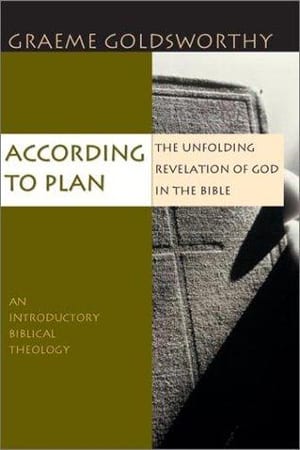
According to Plan
Graeme Goldsworthy
View on Amazon →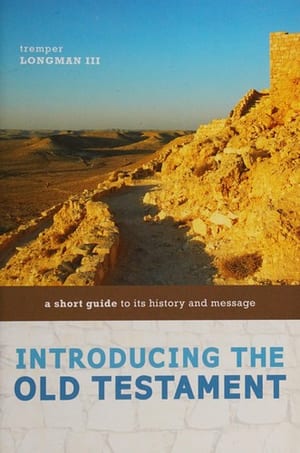
Introducing the Old Testament
Tremper Longman III
View on Amazon →
God's Big Picture
Vaughan Roberts
View on Amazon →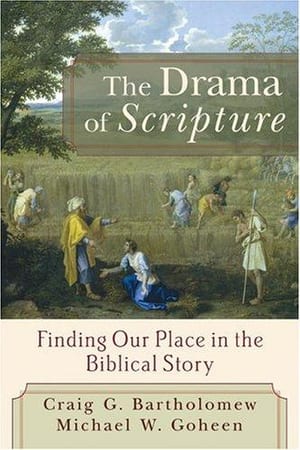
The Drama of Scripture
Bartholomew & Goheen
View on Amazon →As an Amazon Associate we earn from qualifying purchases.
Pronunciation Video
Watch on YouTube →Meaning
handling; stroking; taking away
Historical Context
Chemosh: The Moabite Deity and Its Biblical Significance
Chemosh (pronounced KEE-mahsh) was the national god of the Moabites, one of Israel's neighboring kingdoms during Old Testament times. Understanding how to pronounce Chemosh correctly helps Bible readers engage more deeply with ancient Near Eastern history and Israel's religious context.
Etymology and Original Meaning
The name derives from Hebrew roots meaning "handling," "stroking," or "taking away." Some scholars connect it to verbs suggesting possession or seizure, reflecting the god's perceived power over his people's fortunes. The etymology reveals how ancient names often encoded theological or functional attributes—Chemosh was understood as a deity who acted upon his worshippers and their circumstances.
Biblical References and Religious Context
Chemosh appears explicitly in several biblical passages. In 1 Kings 11:7, Solomon is condemned for building a high place for Chemosh on a hill near Jerusalem during his apostasy. The name also surfaces in 2 Kings 3:27, during the war between Israel and Moab, where the Moabite king makes a desperate sacrifice to Chemosh. Additionally, Jeremiah 48:7, 13, and 46 reference Chemosh in prophecies against Moab.
These biblical references aren't merely historical footnotes. They illustrate how Israel's writers documented the religious practices of neighboring nations and how such practices sometimes influenced Israelite behavior—usually negatively, from the biblical narrator's perspective.
Why Pronouncing Chemosh Correctly Matters
For pastors and Bible teachers, pronouncing Chemosh correctly enhances credibility and helps congregations better visualize the ancient world. When discussing Solomon's religious failures or Jeremiah's prophecies against Moab, accurate Chemosh pronunciation grounds your teaching in historical reality rather than treating these passages as abstract theology.
The study of Chemosh also illuminates broader biblical themes: the tension between monotheism and surrounding polytheism, the dangers of religious compromise, and God's sovereignty over nations. Chemosh wasn't merely a name—it represented an entire worldview competing for Israel's allegiance.
How to Read, Study & Pray

How to Read the Bible for All Its Worth
Gordon Fee & Douglas Stuart
View on Amazon →
Grasping God's Word
J. Scott Duvall & J. Daniel Hays
View on Amazon →
A Praying Life
Paul E. Miller
View on Amazon →
Women of the Word
Jen Wilkin
View on Amazon →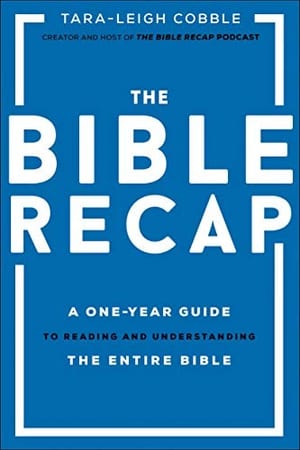
The Bible Recap
Tara-Leigh Cobble
View on Amazon →As an Amazon Associate we earn from qualifying purchases.