How to Pronounce
Cappadociakap-ih-DO-shee-uh
Hear the pronunciation of Cappadocia
Click to play audio
New Testament Reading
Introducing Jesus
Mark L. Strauss
View on Amazon →
Basic Christianity
John Stott
View on Amazon →
The King Jesus Gospel
Scot McKnight
View on Amazon →
Reading the Gospels Wisely
Jonathan T. Pennington
View on Amazon →
The Jesus I Never Knew
Philip Yancey
View on Amazon →As an Amazon Associate we earn from qualifying purchases.
Pronunciation Video
Watch on YouTube →Meaning
the same as Caphtor, a sphere, buckle, or hand
Historical Context
Cappadocia: Ancient Region of Asia Minor
How to pronounce Cappadocia correctly requires understanding its Greek origins. The word derives from the Greek Kappadokia (Καππαδοκία), which itself came from Persian roots. The name likely connects to the Persian term Katpatuka, meaning "land of beautiful horses"—a fitting description for this historically significant region known for its horse breeding and trade.
Geographical and Historical Significance
Cappadocia was a major region in central Asia Minor (modern-day Turkey), bounded by the Taurus Mountains to the south and the Black Sea to the north. As a crossroads between Europe and Asia, it held tremendous strategic and commercial importance throughout biblical and post-biblical times. The region was famous for its distinctive geological formations, including the fairy chimneys and underground cities that would later become refuges for early Christians.
Biblical References and Importance
Cappadocia appears in the New Testament, most notably in 1 Peter 1:1, where Peter addresses his letter to believers scattered throughout several provinces, including Cappadocia. This reference indicates an early Christian presence in the region. The book of Acts also mentions Cappadocians among the multilingual crowd at Pentecost (Acts 2:9), suggesting Jewish communities and converts from this area were significant to the early church's growth.
Why Pronouncing Cappadocia Correctly Matters
For pastors and Bible teachers, pronouncing Cappadocia correctly as kap-ih-DO-shee-uh ensures clear communication when discussing biblical geography and early church history. Many mispronounce it by stressing the wrong syllable or flattening the vowel sounds. Getting Cappadocia pronunciation right reflects careful preparation and helps your audience follow geographical references without distraction.
Understanding this region enriches your reading of 1 Peter and Acts, as it grounds these epistles in real locations with thriving Christian communities. Cappadocia reminds us that the gospel spread rapidly beyond Jerusalem into diverse cultural and geographical contexts during the apostolic age.
How to Read, Study & Pray

How to Read the Bible for All Its Worth
Gordon Fee & Douglas Stuart
View on Amazon →
Grasping God's Word
J. Scott Duvall & J. Daniel Hays
View on Amazon →
A Praying Life
Paul E. Miller
View on Amazon →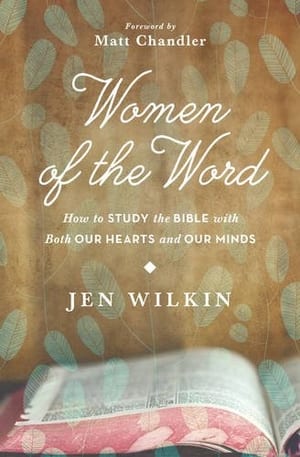
Women of the Word
Jen Wilkin
View on Amazon →
The Bible Recap
Tara-Leigh Cobble
View on Amazon →As an Amazon Associate we earn from qualifying purchases.