How to Pronounce
NinevitesNIHN-eh-vaits
Hear the pronunciation of Ninevites
Click to play audio
Recommended Reading

How to Read the Bible for All Its Worth
Gordon Fee & Douglas Stuart
View on Amazon →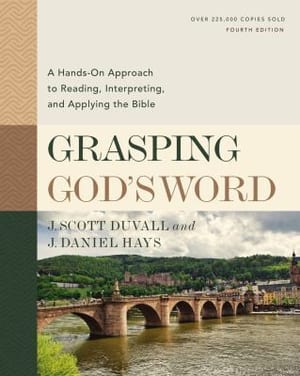
Grasping God's Word
J. Scott Duvall & J. Daniel Hays
View on Amazon →
A Praying Life
Paul E. Miller
View on Amazon →
Women of the Word
Jen Wilkin
View on Amazon →
The Bible Recap
Tara-Leigh Cobble
View on Amazon →As an Amazon Associate we earn from qualifying purchases.
Pronunciation Video
Watch on YouTube →Historical Context
Ninevites: The People of Ancient Assyria's Greatest City
The Ninevites were the inhabitants of Nineveh, one of the ancient world's most powerful cities and the capital of the Assyrian Empire. Understanding how to pronounce Ninevites correctly—NIHN-eh-vaits—helps Bible readers engage more confidently with Old Testament narratives, particularly the Book of Jonah.
Etymology and Original Language
The word "Ninevites" derives from the Hebrew Ninweh (נִינְוֵה), which referred to the city of Nineveh itself. The "-ites" suffix, common in English biblical translations, simply denotes "the people of" or "inhabitants of." Pronouncing Ninevites correctly requires understanding this straightforward construction: the base city name plus the ethnic identifier.
Biblical Significance and Scripture References
The Ninevites appear most prominently in the Book of Jonah, where God commands the prophet to preach repentance to this pagan Assyrian city. In Jonah 3, the Ninevites respond dramatically to Jonah's warning, proclaiming a fast and repenting in sackcloth. Their collective repentance—from the greatest to the least—illustrates God's willingness to forgive any nation that turns from wickedness.
Jesus references the Ninevites in Matthew 12:41 and Luke 11:32, holding them up as an example of repentance that shames his contemporaries. He notes that the men of Nineveh will rise up in judgment against the generation that rejected his message, despite having seen greater signs than Jonah's preaching.
Why Ninevites Matter for Bible Readers
The Ninevites represent a crucial theological principle: God's grace extends beyond Israel to all nations. Their story challenges readers to consider whether repentance is truly possible for those far from God, and whether divine judgment can be averted through genuine contrition. For pastors and teachers, pronouncing Ninevites correctly when discussing these passages adds credibility and clarity to Bible study.
Historically, Nineveh was destroyed in 612 BCE, making the Ninevites' brief moment of repentance even more poignant—a city that might have endured had it maintained its spiritual transformation.
How to Read, Study & Pray
How to Read the Bible for All Its Worth
Gordon Fee & Douglas Stuart
View on Amazon →Grasping God's Word
J. Scott Duvall & J. Daniel Hays
View on Amazon →A Praying Life
Paul E. Miller
View on Amazon →Women of the Word
Jen Wilkin
View on Amazon →The Bible Recap
Tara-Leigh Cobble
View on Amazon →As an Amazon Associate we earn from qualifying purchases.