How to Pronounce
NabothNAY-buhth
Hear the pronunciation of Naboth
Click to play audio
Recommended Reading
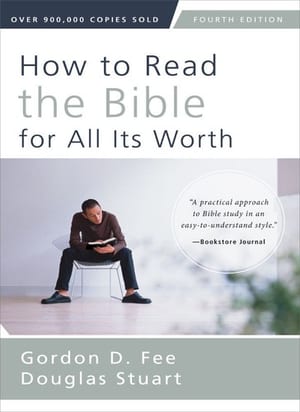
How to Read the Bible for All Its Worth
Gordon Fee & Douglas Stuart
View on Amazon →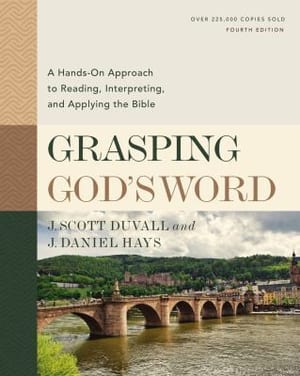
Grasping God's Word
J. Scott Duvall & J. Daniel Hays
View on Amazon →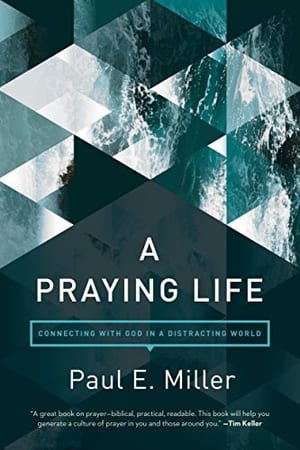
A Praying Life
Paul E. Miller
View on Amazon →
Women of the Word
Jen Wilkin
View on Amazon →
The Bible Recap
Tara-Leigh Cobble
View on Amazon →As an Amazon Associate we earn from qualifying purchases.
Pronunciation Video
Watch on YouTube →Meaning
words; prophecies
Historical Context
Naboth: A Name of Tragic Biblical Significance
The name Naboth carries weight in Scripture far beyond its modest appearance. Understanding how to pronounce Naboth correctly—NAY-buhth—is your first step into one of the Bible's most compelling stories of injustice and divine judgment. The name itself derives from Hebrew origins, with roots connecting to the words for "prophecies" or "utterances," though the most direct meaning relates to "words" or "speech."
The Story That Defines Naboth
Naboth appears primarily in 1 Kings 21, where his narrative becomes a turning point in the reign of King Ahab. This Jezreelite owned a vineyard adjacent to the king's palace—a piece of land Ahab desperately wanted for himself. When Naboth refused to sell, citing his family's ancestral inheritance rights, the king's wife Jezebel orchestrated a brutal conspiracy. False witnesses were brought forward to accuse Naboth of blasphemy, resulting in his execution by stoning.
Pronouncing Naboth correctly helps Bible teachers convey the emotional gravity of this account. His death wasn't merely a political casualty; it represented the abuse of power against a righteous man who honored God's law regarding family property.
Why Naboth's Story Matters
The Naboth pronunciation guides you through a passage that illustrates biblical themes of justice, corruption, and divine accountability. After his death, the prophet Elijah confronted Ahab with a stark prophecy: the king and his house would face God's judgment. This pronouncement against Ahab is directly connected to Naboth's innocence and murder.
For Bible students and pastors, understanding Naboth's account reveals how Scripture addresses institutional corruption and the protection God offers to the vulnerable. His story also appears referenced in 2 Kings 9, where Jehu's judgment against Ahab's dynasty fulfills Elijah's words—a powerful reminder that God's justice ultimately prevails.
When pronouncing Naboth and studying his narrative, you're engaging with one of Scripture's clearest condemnations of tyranny and a testimony to God's commitment to vindicate the righteous, even when earthly powers fail them.
How to Read, Study & Pray
How to Read the Bible for All Its Worth
Gordon Fee & Douglas Stuart
View on Amazon →Grasping God's Word
J. Scott Duvall & J. Daniel Hays
View on Amazon →A Praying Life
Paul E. Miller
View on Amazon →Women of the Word
Jen Wilkin
View on Amazon →The Bible Recap
Tara-Leigh Cobble
View on Amazon →As an Amazon Associate we earn from qualifying purchases.