How to Pronounce
Nicolausnih-ko-LAY-us
Hear the pronunciation of Nicolaus
Click to play audio
New Testament Reading
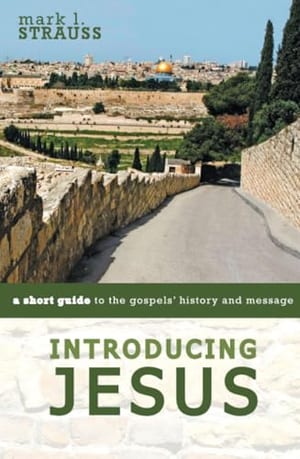
Introducing Jesus
Mark L. Strauss
View on Amazon →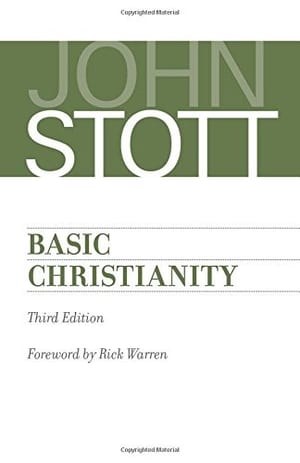
Basic Christianity
John Stott
View on Amazon →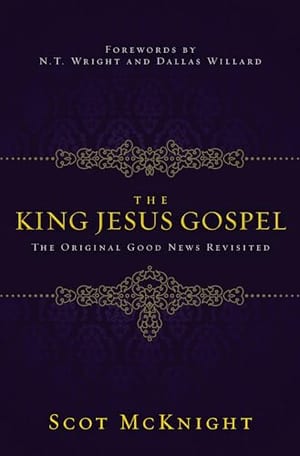
The King Jesus Gospel
Scot McKnight
View on Amazon →
Reading the Gospels Wisely
Jonathan T. Pennington
View on Amazon →
The Jesus I Never Knew
Philip Yancey
View on Amazon →As an Amazon Associate we earn from qualifying purchases.
Pronunciation Video
Watch on YouTube →Historical Context
Nicolaus: A Greek Name with Jewish Roots
Nicolaus comes from the Greek name Nikolaos (Νικόλαος), composed of two elements: nike (victory) and laos (people). Literally, the name means "victor of the people" or "conqueror of the people." Understanding the Nicolaus pronunciation—nih-ko-LAY-us—helps Bible readers engage more confidently with this biblical figure when studying Scripture aloud or in group settings.
Where Nicolaus Appears in Scripture
Nicolaus appears only once in the New Testament: Acts 6:5. During the early Jerusalem church's rapid growth, the apostles appointed seven men to oversee the daily distribution of food and aid to widows. Nicolaus is listed among these seven deacons, described as "a proselyte of Antioch"—meaning he was a non-Jewish convert to Judaism who later became a Christian. This detail is significant because it shows the church's commitment to including both Jewish and Gentile believers in positions of service and leadership.
Why Correct Pronunciation Matters
Pronouncing Nicolaus correctly—nih-ko-LAY-us, with stress on the final syllable—honors the Greek linguistic tradition and helps listeners follow biblical narratives more easily. When pastors and teachers speak the name with confidence, their congregations better retain the context and significance of the passage.
Historical Significance
Though Scripture provides minimal details about Nicolaus himself, his name later became associated with the Nicolaitans—a heretical group mentioned in Revelation 2:6 and 2:15. Some early church fathers suggested Nicolaus may have founded this sect, though this remains historically debated. Whether or not this connection is accurate, the contrast between Nicolaus the faithful deacon and the later Nicolaitans whom Jesus rebuked serves as a sobering reminder of how doctrinal corruption can develop within the church.
For Bible students seeking to pronounce Nicolaus correctly and understand his role in early Christian history, remembering his position as a bridge between Jewish and Gentile believers enriches our reading of Acts and deepens our appreciation for the church's inclusive mission from its earliest days.
How to Read, Study & Pray
How to Read the Bible for All Its Worth
Gordon Fee & Douglas Stuart
View on Amazon →
Grasping God's Word
J. Scott Duvall & J. Daniel Hays
View on Amazon →
A Praying Life
Paul E. Miller
View on Amazon →
Women of the Word
Jen Wilkin
View on Amazon →
The Bible Recap
Tara-Leigh Cobble
View on Amazon →As an Amazon Associate we earn from qualifying purchases.