How to Pronounce
Nehushtanee-HUHSH-tuh
Hear the pronunciation of Nehushta
Click to play audio
Old Testament Reading
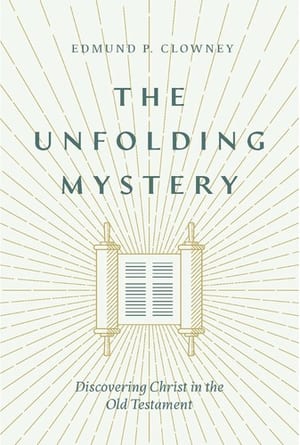
The Unfolding Mystery
Edmund P. Clowney
View on Amazon →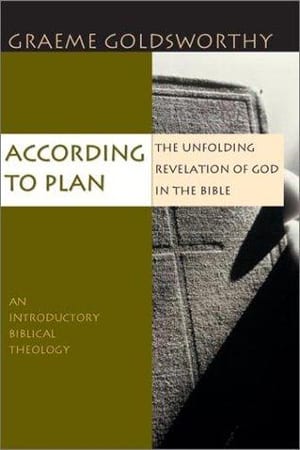
According to Plan
Graeme Goldsworthy
View on Amazon →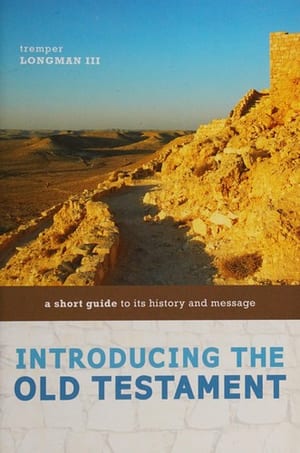
Introducing the Old Testament
Tremper Longman III
View on Amazon →
God's Big Picture
Vaughan Roberts
View on Amazon →
The Drama of Scripture
Bartholomew & Goheen
View on Amazon →As an Amazon Associate we earn from qualifying purchases.
Pronunciation Video
Watch on YouTube →Meaning
made of brass
Historical Context
Nehushta: The Woman of Brass
Nehushta appears only once in Scripture, yet her name carries symbolic weight. The name derives from the Hebrew word nechoshet, meaning "brass" or "bronze," making Nehushta literally "made of brass." This unusual name likely reflected either her family's wealth, their connection to metalworking, or perhaps a quality of strength her parents wished to convey. Understanding how to pronounce Nehushta correctly—nee-HUHSH-tuh—helps Bible readers engage more fully with the historical record of Judah's final kings.
Who Was Nehushta?
Nehushta was the mother of King Jehoiachin of Judah, one of the final monarchs before the Babylonian exile. She lived during one of Judah's darkest political periods, in the early sixth century BCE. Her son ascended to the throne as a young man and reigned for only three months before Nebuchadnezzar of Babylon besieged Jerusalem and carried him into captivity.
Biblical References and Significance
Nehushta is mentioned in 2 Kings 24:8, where the text identifies her as the mother of King Jehoiachin. Though her appearance in Scripture is brief, her presence marks an important moment in Judah's history. She was likely taken into exile alongside her son, experiencing the trauma of deportation and displacement that characterized this period.
For Bible students interested in pronouncing Nehushta correctly within context, the passage reads: "Jehoiachin was eighteen years old when he became king, and he reigned in Jerusalem three months. His mother's name was Nehushta daughter of Elnathan; she was from Jerusalem." This single mention preserves her name in the biblical record, ensuring she is not forgotten despite the brevity of her son's reign.
Why Nehushta Matters Today
The name Nehushta reminds us that even minor figures in Scripture had real lives shaped by major historical events. Her presence in the genealogical record demonstrates the Bible's concern with family lineage and maternal identity, particularly during times of national crisis. For those studying the monarchy's collapse and the exile period, pronouncing Nehushta correctly and understanding her context enriches our grasp of this turbulent era in Israel's history.
How to Read, Study & Pray

How to Read the Bible for All Its Worth
Gordon Fee & Douglas Stuart
View on Amazon →
Grasping God's Word
J. Scott Duvall & J. Daniel Hays
View on Amazon →
A Praying Life
Paul E. Miller
View on Amazon →
Women of the Word
Jen Wilkin
View on Amazon →
The Bible Recap
Tara-Leigh Cobble
View on Amazon →As an Amazon Associate we earn from qualifying purchases.