
How to Pronounce
Nebuchadnezzarneh-byoo-kuhd-NEHZ-er
Hear the pronunciation of Nebuchadnezzar
Click to play audio
Old Testament Reading

The Unfolding Mystery
Edmund P. Clowney
View on Amazon →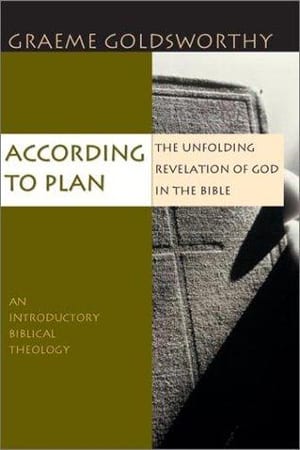
According to Plan
Graeme Goldsworthy
View on Amazon →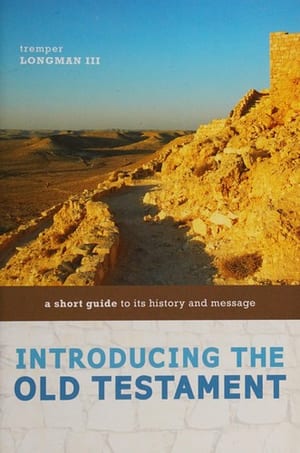
Introducing the Old Testament
Tremper Longman III
View on Amazon →
God's Big Picture
Vaughan Roberts
View on Amazon →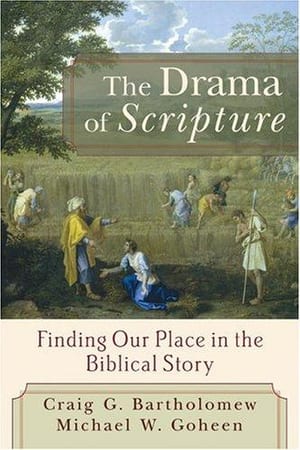
The Drama of Scripture
Bartholomew & Goheen
View on Amazon →As an Amazon Associate we earn from qualifying purchases.
Pronunciation Video
Watch on YouTube →Meaning
Nebuchadrezzar, tears and groans of judgment
Historical Context
Nebuchadnezzar: Babylon's Greatest King
Pronouncing Nebuchadnezzar correctly—neh-byoo-kuhd-NEHZ-er—takes practice, but understanding this name opens a window into one of Scripture's most significant historical figures. The Babylonian king appears throughout the Old Testament, particularly in Daniel, and his name carries deep theological weight.
Etymology and Original Meaning
Nebuchadnezzar's name derives from Akkadian: Nabu-kudurri-usur, meaning "Nebo protects the boundary" or "Nebo protects the eldest son." However, the biblical meaning carries a different emphasis: tears and groans of judgment. This interpretation reflects how his reign brought divine judgment upon Judah through conquest and exile—a sobering reminder of God's sovereignty over nations.
Where Nebuchadnezzar Appears in Scripture
This Babylonian ruler dominates the book of Daniel, appearing first in Daniel 1:1 when he conquers Jerusalem and takes young Jewish nobles (including Daniel) into captivity. His most memorable biblical moments include the fiery furnace account (Daniel 3), where three Hebrew youths refuse to worship his golden image, and his humbling madness in Daniel 4, where God reduces him to animal-like behavior for seven years as judgment for his pride.
Nebuchadnezzar also features in 2 Kings 24–25, Jeremiah 27–52, and Ezekiel, where he serves as God's instrument of judgment against Jerusalem.
Why This Name Matters for Bible Readers
Learning how to pronounce Nebuchadnezzar correctly isn't merely academic—it helps readers engage more deeply with these narratives. His story illustrates crucial biblical themes: God's control over earthly kingdoms, the futility of human pride, and His ability to humble even the mightiest rulers. Nebuchadnezzar's eventual acknowledgment of God's supremacy (Daniel 4:34–37) demonstrates that even pagan monarchs can recognize divine authority.
For pastors and teachers, pronouncing Nebuchadnezzar with confidence enhances credibility when discussing these pivotal chapters. This king's sixty-three-year reign shaped Jewish history and theology profoundly, making his story essential to understanding Scripture's witness to God's judgment and mercy.
How to Read, Study & Pray

How to Read the Bible for All Its Worth
Gordon Fee & Douglas Stuart
View on Amazon →
Grasping God's Word
J. Scott Duvall & J. Daniel Hays
View on Amazon →
A Praying Life
Paul E. Miller
View on Amazon →
Women of the Word
Jen Wilkin
View on Amazon →
The Bible Recap
Tara-Leigh Cobble
View on Amazon →As an Amazon Associate we earn from qualifying purchases.
